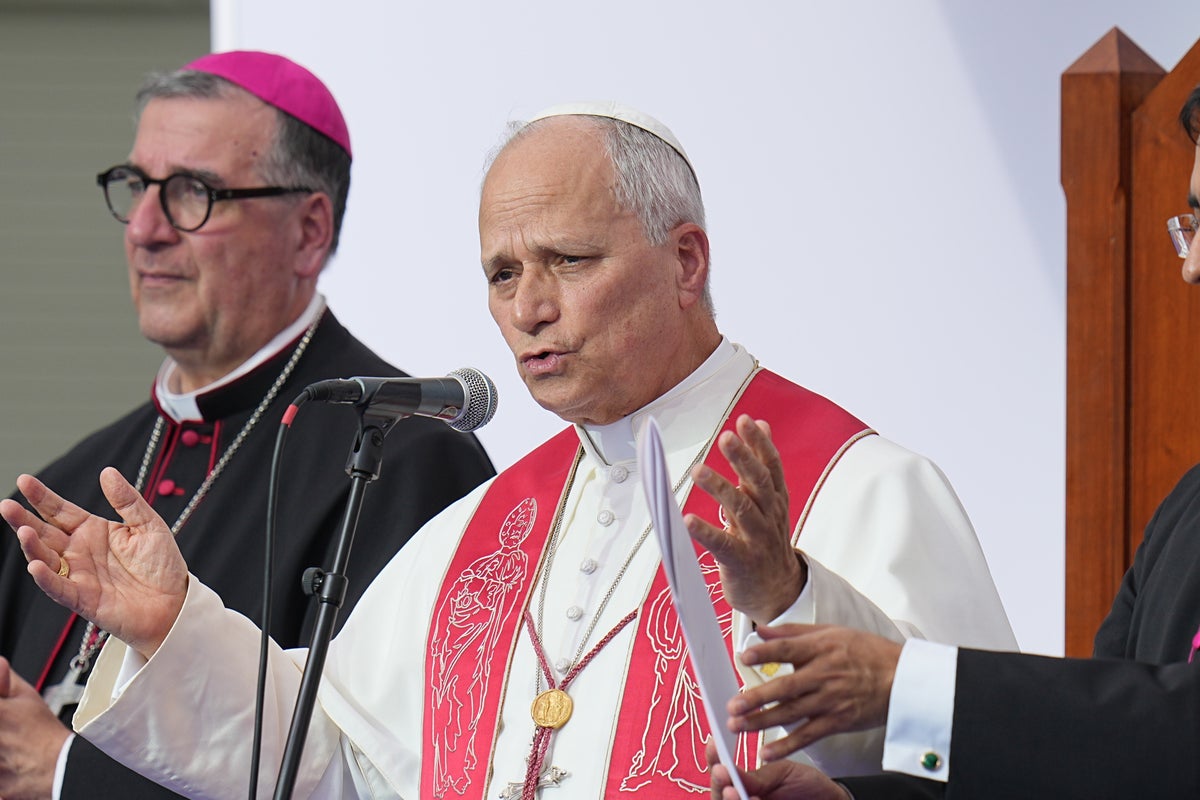
Pope Leo XIV described medically assisted dying as "false compassion" on Sunday during a four-day visit to France. Speaking at the Sanctuary of Our Lady of Lourdes, a site associated with miraculous healings, the pope reaffirmed Catholic teaching on the sanctity of life. He urged those in attendance to reject the "temptation to cause death" and argued that legal status does not equate to moral rightness.
The remarks follow recent legislative changes in both France and the United States regarding end-of-life care. The French National Assembly recently gave final approval to a bill allowing adults with incurable illnesses to receive lethal medication, while the pope's home state of Illinois saw a similar law take effect on September 12, 2026. Leo noted that while such practices are becoming legal in various jurisdictions, he considers them a violation of human dignity.
During the visit, Leo addressed approximately 150,000 people at a Mass near the Lourdes basilica, following a previous service in Paris that drew 800,000 attendees. He also met for nearly two hours with seven survivors of clergy sexual abuse to listen to their accounts of suffering and suggestions for reform. The Vatican stated the meeting was kept small to ensure an intimate environment for the survivors, who have previously sought acknowledgment of the church's responsibility for past failures.
The financial and institutional scale of the issues addressed during the visit is significant. In France, the church has established a compensation system for abuse victims that has recommended payouts exceeding 20 million euros ($22.7 million) following a 2021 report estimating that 330,000 children were abused by 3,000 church workers over seven decades. Leo acknowledged that these scandals have contributed to a "cratering" in priestly vocations, which affects the long-term staffing and operation of Catholic parishes throughout France.
The visit also highlighted ongoing legal proceedings within the Vatican. Leo traveled past the Notre Dame du Rosaire Basilica, where mosaics designed by Rev. Marko Rupnik remain covered by curtains. Rupnik is currently on trial in a Vatican court after more than two dozen women accused him of psychological and sexual abuse. The outcome of this canonical trial, which began in 2024, will likely set a precedent for how the church handles the public display of art created by individuals accused of misconduct. A final verdict in the Rupnik trial has not yet been announced.