The Plain Record

Neutral daily news — clear headlines, complete facts.

National

Pope Leo XIV Visits France to Address AI Ethics and Nuclear Disarmament

Pope Leo XIV warned of the risks of artificial intelligence and nuclear arms during his first state visit to France, which included a Mass for 700,000 people.

By The Plain RecordUpdated September 26, 2026 at 12:05 PM EDT
Published September 24, 2026 at 8:00 PM EDT

The short answer

Pope Leo XIV warned of the risks of artificial intelligence and nuclear arms during his first state visit to France, which included a Mass for 700,000 people.

Updates (2)

  • Update — September 26, 2026 at 12:05 PM EDT: The Vatican estimated that 700,000 people came out for the Mass.
  • Update — September 26, 2026 at 12:05 PM EDT: The American pope greeted the crowds from his popemobile during a mile-long parade along the grand boulevard
Pope Leo XIV Visits France to Address AI Ethics and Nuclear Disarmament

The Facts

Who
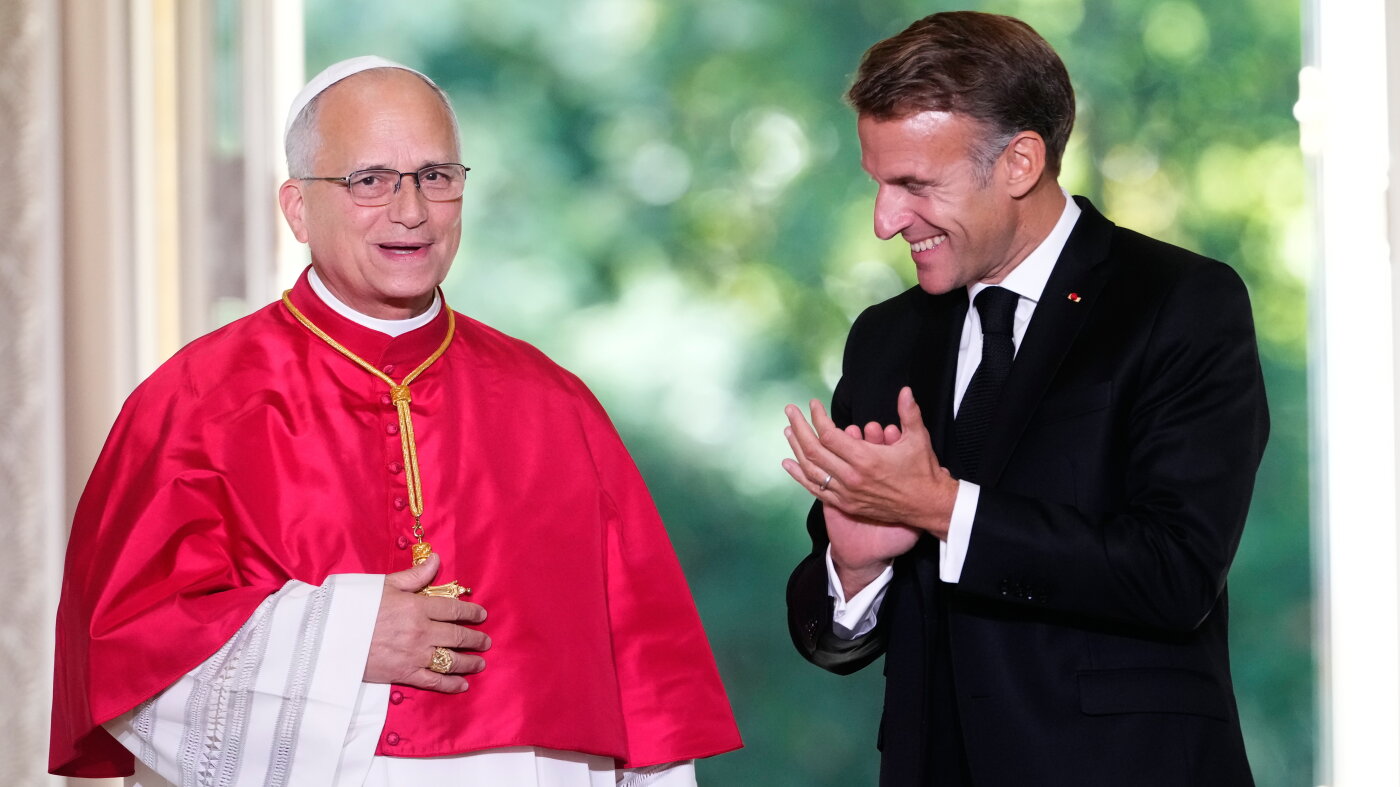
Pope Leo XIV, President Emmanuel Macron, and approximately 700,000 attendees.
What
State visit and outdoor Mass by Pope Leo XIV in France.
When
Friday, September 25 and Saturday, September 26, 2026.
Where
Paris and Lourdes, France.
Why
To address existential concerns regarding scientific progress, artificial intelligence, and human rights while encouraging French Catholics in a secular society.

Pope Leo XIV arrived in France on Friday, Sept. 25, 2026, for a four-day visit, marking the first official state visit by a pope to the country in 18 years. During his opening addresses at the Élysée Palace and UNESCO headquarters in Paris, the pontiff cautioned that a "paradise of machines" could undermine human dignity. He called for ethical regulation of artificial intelligence (AI) and questioned the doctrine of nuclear deterrence, stating that peace is built through justice rather than a balance of power.

The visit occurs as French President Emmanuel Macron nears the end of his final term, with elections scheduled for May. While France maintains a strict constitutional separation of church and state, Leo has used the trip to encourage the nation to remember its Christian roots. His visit follows recent French legislative changes, including the 2024 constitutional enshrinement of the right to abortion and the approval of a bill allowing lethal medication for adults with incurable illnesses.

On Saturday, the Vatican estimated that 700,000 people attended a mid-afternoon outdoor Mass at the Place de la Concorde. The event drew larger crowds than the 600,000 who had registered in advance, with attendees lining the Avenue des Champs-Élysées to view the pope's motorcade. The choice of venue drew criticism from some supporters of secularism who noted the square's history as a site of the French Revolution and its traditional use for presidential Bastille Day celebrations.

For the hundreds of thousands of attendees in Paris, the visit represents a rare direct interaction with the head of the Catholic Church on French soil. The event required a security presence that closed central Paris to road traffic, affecting local transportation throughout the weekend. The pope’s specific focus on AI regulation and nuclear policy signals a Vatican effort to influence international policy discussions at a time when French leadership is managing rising national debt, a high cost of living, and a deficit that has contributed to President Macron’s low approval ratings.

The trip continues through the weekend with visits to religious landmarks and meetings. Following the Paris Mass, Leo traveled to the shrine at Lourdes later on Saturday to pray. On Sunday, the pontiff is scheduled to meet with seven French victims of abuse by clergy members at the Lourdes shrine before concluding his four-day tour. The visit serves as a significant diplomatic engagement for President Macron before he leaves office next spring.

What happens next: Following the conclusion of the visit, the French government will move toward national elections in May 2027. The Vatican indicated it hopes to continue the dialogue Leo initiated with technology companies regarding the ethical development of AI. The pope’s appeal for "ethical discernment" in technology comes as several top AI companies have recently signaled an openness to looking for ways to ensure the technology remains a tool for human use rather than a replacement for human agency.

Timeline of what happened

Key dates and decisions, in the order they occurred.

  1. 2024

    Right to abortion enshrined in French Constitution

  2. June 8, 2026

    Pope Leo visits Spain

  3. July 16, 2026

    Pope releases encyclical "Magnificent Humanity" regarding AI

  4. September 25, 2026

    Pope Leo arrives in Paris and meets President Macron

  5. September 26, 2026

    Mass held for 700,000 at Place de la Concorde

  6. September 27, 2026

    Pope scheduled to meet abuse victims at Lourdes

  7. May 2027

    French presidential elections scheduled to take place

Summaries are written by The Plain Record to state the facts of a story plainly and without political slant. Drafted with AI assistance and checked against the source record before publication. See how we report, or report a correction.

← Back to the front page

Questions readers ask

What happened: Pope Leo XIV Visits France to Address AI Ethics and Nuclear Disarmament?

Pope Leo XIV arrived in France on Friday, Sept. 25, 2026, for a four-day visit, marking the first official state visit by a pope to the country in 18 years. During his opening addresses at the Élysée Palace and UNESCO headquarters in Paris, the pontiff cautioned that a "paradise of machines" could undermine human dignity.

Who is involved?

Pope Leo XIV, President Emmanuel Macron, and approximately 700,000 attendees.

When did this happen?

Friday, September 25 and Saturday, September 26, 2026.

Where did this happen?

Paris and Lourdes, France.

Why does this matter?

To address existential concerns regarding scientific progress, artificial intelligence, and human rights while encouraging French Catholics in a secular society.