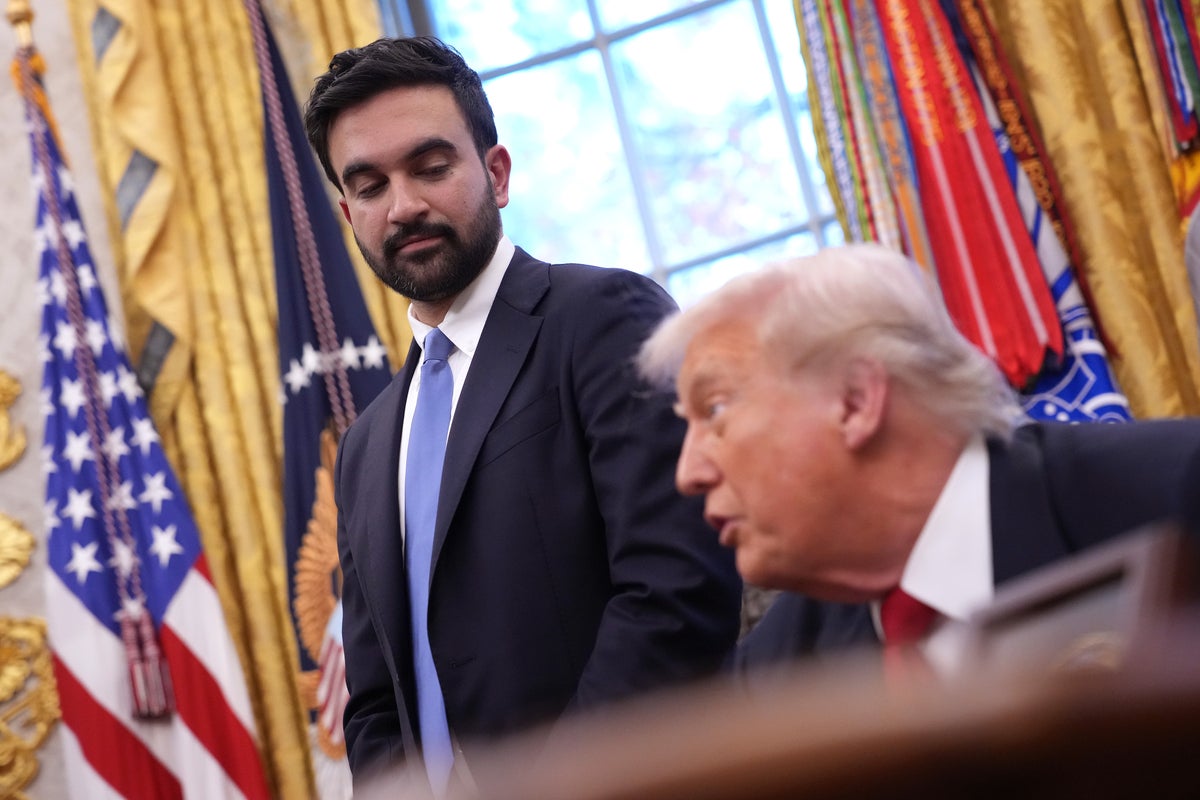
Data from prediction markets Kalshi and Polymarket indicate that New York City Mayor Zohran Mamdani and Pope Leo XIV are currently favored to be named TIME’s Person of the Year. President Donald Trump, who has previously received the title twice, currently ranks third on both platforms as the magazine prepares for its annual year-end announcement.
The prediction market rankings follow a series of public disagreements between the White House and the top-rated figures. While Trump and Mamdani held a meeting in November that led to public comments from the president supporting the mayor's success, their relationship has since shifted. A second meeting occurred in February where Mamdani presented a mock-up newspaper front page suggesting collaboration on housing, but the two have since diverged on fiscal and immigration policy.
In April, Trump criticized Mamdani’s proposal for a tax on luxury second-homes, stating the policy would negatively impact New York. Tensions further increased in June after New York passed new sanctuary provisions, leading the Trump administration’s border czar to state that U.S. Immigration and Customs Enforcement (ICE) agents would be sent to the city. Mamdani has maintained a critical stance toward the administration's immigration actions.
Simultaneously, the administration has been in conflict with Pope Leo XIV, the first American pope. The pope has publicly characterized the administration’s immigration policies as inhumane and criticized the president’s rhetoric regarding Iran. In April, the pope stated on social media that disciples of Christ should not support those who drop bombs, prompting Vice President JD Vance to advise the pope to remain cautious when addressing theological matters.
The scale of the reported conflict involves significant federal funding and long-standing institutions. For example, in April, the Trump administration terminated an $11 million federal contract with Catholic Charities of the Archdiocese of Miami. This specific organization had provided housing and assistance to migrant children for 60 years. The loss of such a contract forces a change in how services are delivered to vulnerable populations, shifting the financial burden from federal programs to private or local entities.
The tension between the White House and the Catholic Church also impacts the day-to-day operations of refugee resettlement programs across several states. Because the Church is heavily involved in this work, a breakdown in the relationship with the federal government could alter the availability of health care, housing, and integration services for new arrivals. What happens next depends on the official selection by TIME magazine, which usually occurs toward the end of the calendar year, and the subsequent policy decisions regarding ICE deployments in New York.