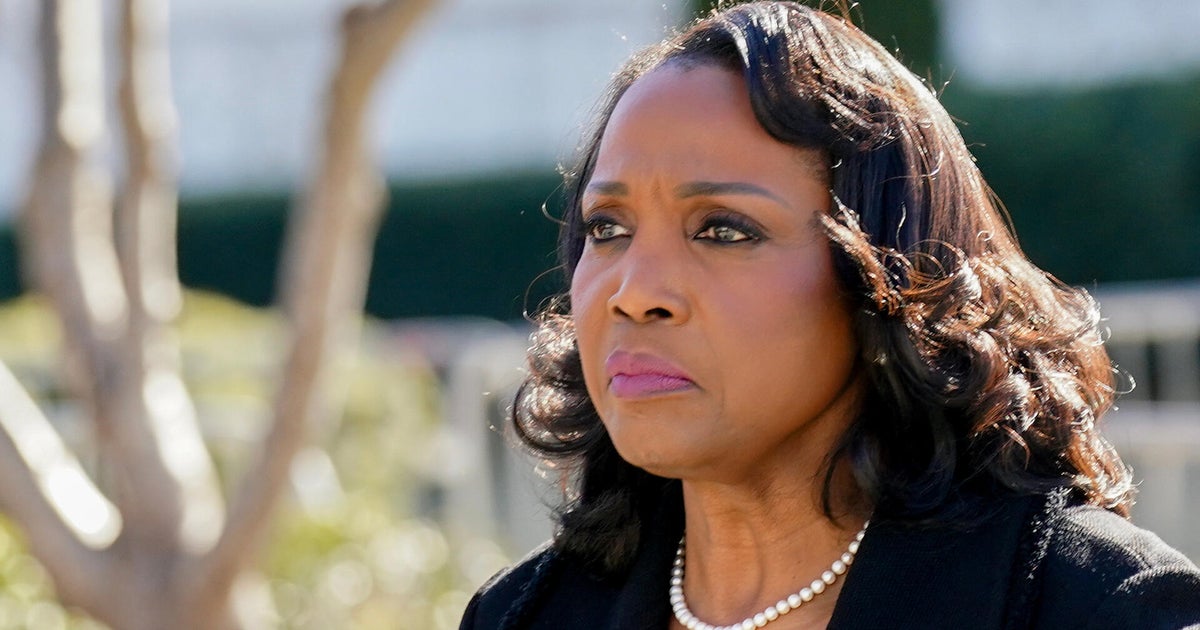
President Donald Trump signed a memorandum on Wednesday establishing a "committee of inquiry" to investigate allegations of mortgage fraud against Federal Reserve Governor Lisa Cook. The committee will examine claims that Cook made false statements on mortgage documents related to two properties before joining the central bank. The panel, consisting of three administration officials, is tasked with determining if there is "cause" to remove Cook from the Federal Reserve Board.
The investigation follows a June Supreme Court ruling that blocked the president's previous attempt to fire Cook. In a 5-4 decision, the court held that the administration had failed to provide Cook with procedural protections required by law, such as notice and an opportunity to respond to allegations. Chief Justice John Roberts wrote that while a full judicial trial is not required, an official must have the right to support their allegations by argument or proof before a final decision is made.
The newly formed committee includes Kevin Hassett, the assistant to the president for economic policy; Andrea Lucas, chair of the Equal Employment Opportunity Commission; and Keith Sonderling, head of the Office of Government Ethics. The panel is scheduled to hold a non-public, transcribed hearing at the White House on Nov. 5 to consider evidence. Cook has been invited to submit a written statement and appear in person to present arguments and witness statements.
Cook's attorneys, Abbe Lowell and Norm Eisen, stated that she welcomes the opportunity to clear her name but expressed "grave doubts" regarding the legitimacy of the process. They noted that the president has repeatedly expressed a desire to fire her regardless of the evidence. The allegations, originally raised by administration official Bill Pulte, suggest Cook claimed two different properties as primary residences in 2021 to secure favorable loan terms. Cook has denied wrongdoing, with her lawyers previously describing the incident as an "inadvertent error."
The scale of the dispute involves the potential removal of a high-ranking official who earns a federal salary and oversees trillions of dollars in economic activity. For the average household, Federal Reserve decisions directly influence the interest rates paid on credit cards, auto loans, and mortgages. If the independence of the board is perceived as compromised, it can affect market confidence and future inflation expectations. Cook’s lawyers argue that the effort is a "manufactured pretext" related to her votes on interest rates, specifically a unanimous vote in September to raise rates despite the president's calls for a cut.
A person would notice the impact of this proceeding through the stability or volatility of the financial markets and, eventually, in the interest rate environment shaped by the remaining board members. The Nov. 5 hearing is set for two days after Election Day, meaning any final decision on removal would likely occur late in the current term. If Cook is removed, it sets a precedent for how the "for cause" standard is applied to other protected federal officials. The next major step is the transcribed hearing on Nov. 5, followed by the committee's report to the president on whether sufficient cause exists for her dismissal.