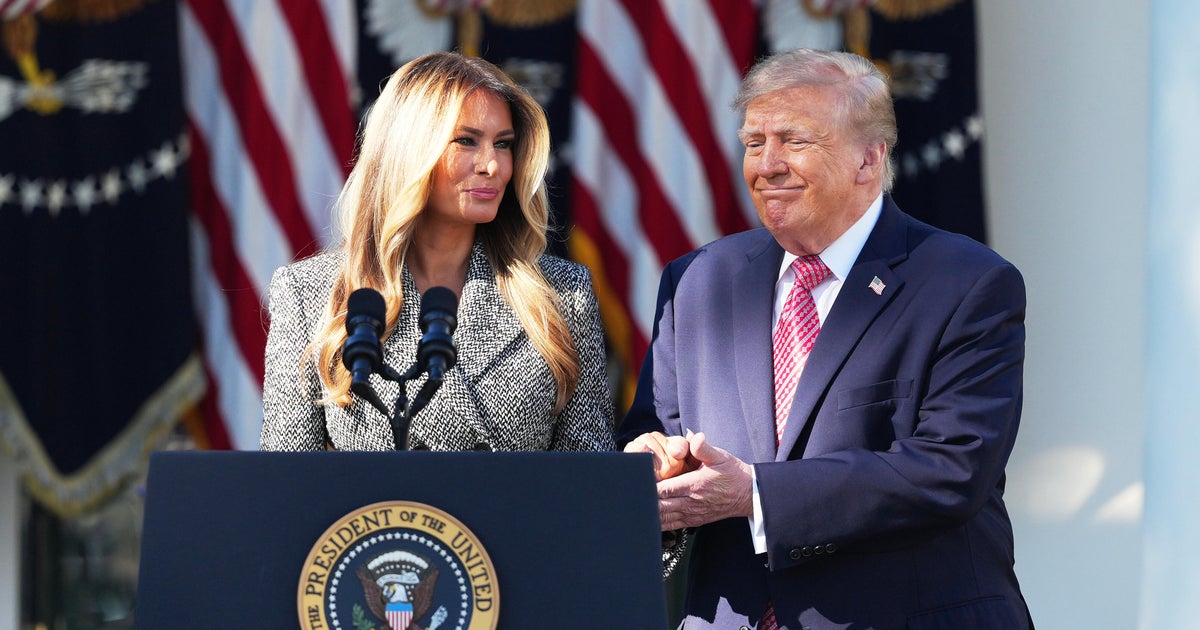
President Donald Trump signed an executive order on a Monday to establish a new women's health division within the National Institutes of Health (NIH). The order also creates a White House Women's Health Task Force to coordinate policy and research efforts. First lady Melania Trump, who the president credited with the idea for the division, joined the signing ceremony and added her signature to the document, though her signature carries no legal weight.
The executive order follows the recent breast cancer recovery of White House chief of staff Susie Wiles. Wiles was diagnosed in March and announced in September that she was cancer-free. During the ceremony, the president recognized Wiles's recovery and stated that she and the first lady are committed to improving health outcomes for American women.
According to the first lady, the executive order is designed to meet five primary objectives. These include directing research funding toward diseases that disproportionately affect women, utilizing artificial intelligence to accelerate medical discoveries, and providing medical breakthroughs at affordable prices. The order also seeks to reduce the social stigma surrounding conversations about women’s health.
White House spokeswoman Allison Schuster stated that the new task force will focus on closing research gaps and improving care for women at various stages of life. The administration intends for these efforts to target widespread health conditions, though the president did not provide specific details on the upcoming initiatives or how they would be implemented.
For patients and their families, the concrete impact will depend on how the task force and the NIH division translate these objectives into policy. If the goal of affordable breakthroughs is met, women might eventually see changes in the out-of-pocket costs for new treatments or diagnostic tools. The use of artificial intelligence in research, as outlined in the order, represents a procedural change in how the federal government approaches medical discovery. The success of these measures will be measured by whether they result in faster clinical trials or lower pharmacy bills, though the source does not provide a specific timeline for these outcomes.
The next steps involve the formal standing up of the White House Women's Health Task Force and the creation of the new division at the NIH. These bodies will be responsible for defining the research gaps mentioned by the White House and determining the allocation of funding. As of the signing, the administration has not released a specific budget or a deadline for the first set of recommendations from the task force. The impact on future policy will likely depend on how these new entities coordinate with existing health agencies and private sector medical providers.