President Donald Trump has formally invoked executive privilege to withhold specific records from Rep. Joyce Beatty (D-OH). The assertion involves a legal challenge brought by Beatty, who serves as an ex officio member of the Kennedy Center’s Board of Trustees, regarding the administration's plans to renovate and temporarily close the performing arts institution. White House deputy counsel Joshua Hoyt notified a federal judge on a Wednesday of the formal claim, citing presidential communications privilege.
The dispute stems from a lawsuit Beatty filed in December challenging a board decision to rename the facility the Donald J. Trump and The John F. Kennedy Memorial Center for the Performing Arts and to shutter it for two years for renovations. The Kennedy Center was established by Congress in 1958 and receives funding through federal appropriations, ticket sales, and private donations. Last year, the board elected Mr. Trump as its chairman, marking the first time a sitting president has held the position.
According to Hoyt, the privilege covers documents and communications between the president, his advisers, and Kennedy Center staff concerning the president’s duties and the institution's operations. The White House argued that without this protection, advisers would be discouraged from exploring alternatives or providing informed recommendations. Justice Department lawyers characterized Beatty’s requests as a "fishing expedition" that raises separation-of-powers concerns, while Beatty’s attorneys argued the government is applying a "blanket privilege" in an unprecedented manner.
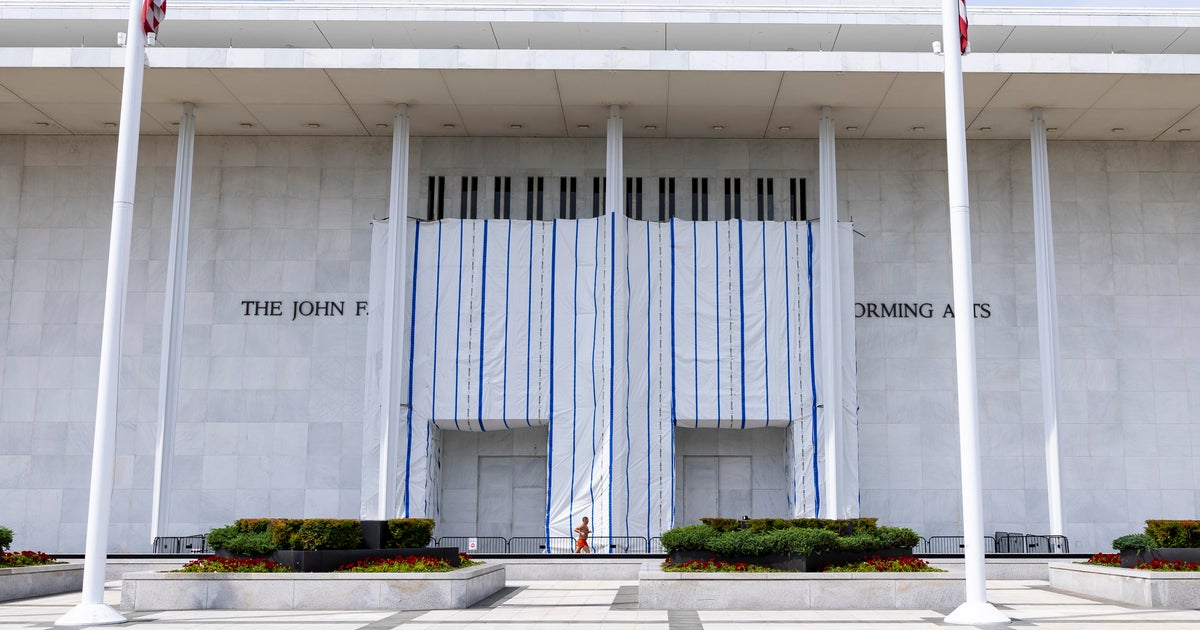
The scale of the impact involves the potential two-year suspension of all programming at the center, which typically hosts thousands of performances and millions of visitors. While specific dollar amounts for the renovations were not reported, the physical changes have already been felt; following a May court order by U.S. District Judge Christopher Cooper, the president's name was removed from the facade in June. A person visiting the center would currently see the front portico covered by a tarp, concealing the building’s name while the legal proceedings continue.
The case sets a precedent for whether presidential communications privilege extends to a president's actions as the chairman of a specific institution, rather than just their official government duties. If the privilege stands, it could limit the ability of other board members or Congress to access internal communications regarding the management of organizations where the president holds a formal leadership role. U.S. District Judge Christopher Cooper has previously allowed discovery to proceed, including depositions. The next steps involve the court determining if the need for the information outweighs the executive privilege claim; specific dates for future hearings or a final ruling were not reported.