President Donald Trump signed an executive order on Saturday to pause a sweeping package of U.S. sanctions against Russia, two days before the implementation deadline. Ukrainian President Volodymyr Zelenskyy responded to the move on social media, describing the pause as "unfortunate" and stating it would encourage Russia to continue its military operations. Trump informed Congress that the suspension was in the national interest but did not provide specific details for the decision.
The sanctions were part of the Lindsey Graham Act, a bipartisan bill named after the late South Carolina senator. Trump signed the legislation into law last month with the intent to pressure Russia to end the 4 1/2-year war. The bill targets Russian officials, financial institutions, and a "shadow fleet" of tankers used to transport Russian energy.
The pause follows a recent announcement by the Trump administration that the U.S. would purchase diesel from Russia to lower global energy prices. Trump stated that Russia would provide 300,000 tons of diesel immediately, with 500,000 tons scheduled for November and 1 million tons thereafter. Sen. Richard Blumenthal (D-CT), a co-drafter of the sanctions bill, stated the waivers were unrelated to national security, while Zelenskyy argued that limiting retaliatory pressure on Russia would not lead to peace.
The scale of the related energy deal involves the U.S. purchasing at least 1.8 million tons of Russian diesel over the coming months. While the administration stated this is intended to lower global fuel prices, the move has faced criticism from members of both parties in Congress who argue it provides financial support for Russia’s military efforts. The impact on U.S. households would theoretically be felt through changes in global energy prices, though critics cited in the report contend the purchase will not significantly alter prices currently elevated by U.S. policy toward Iran.
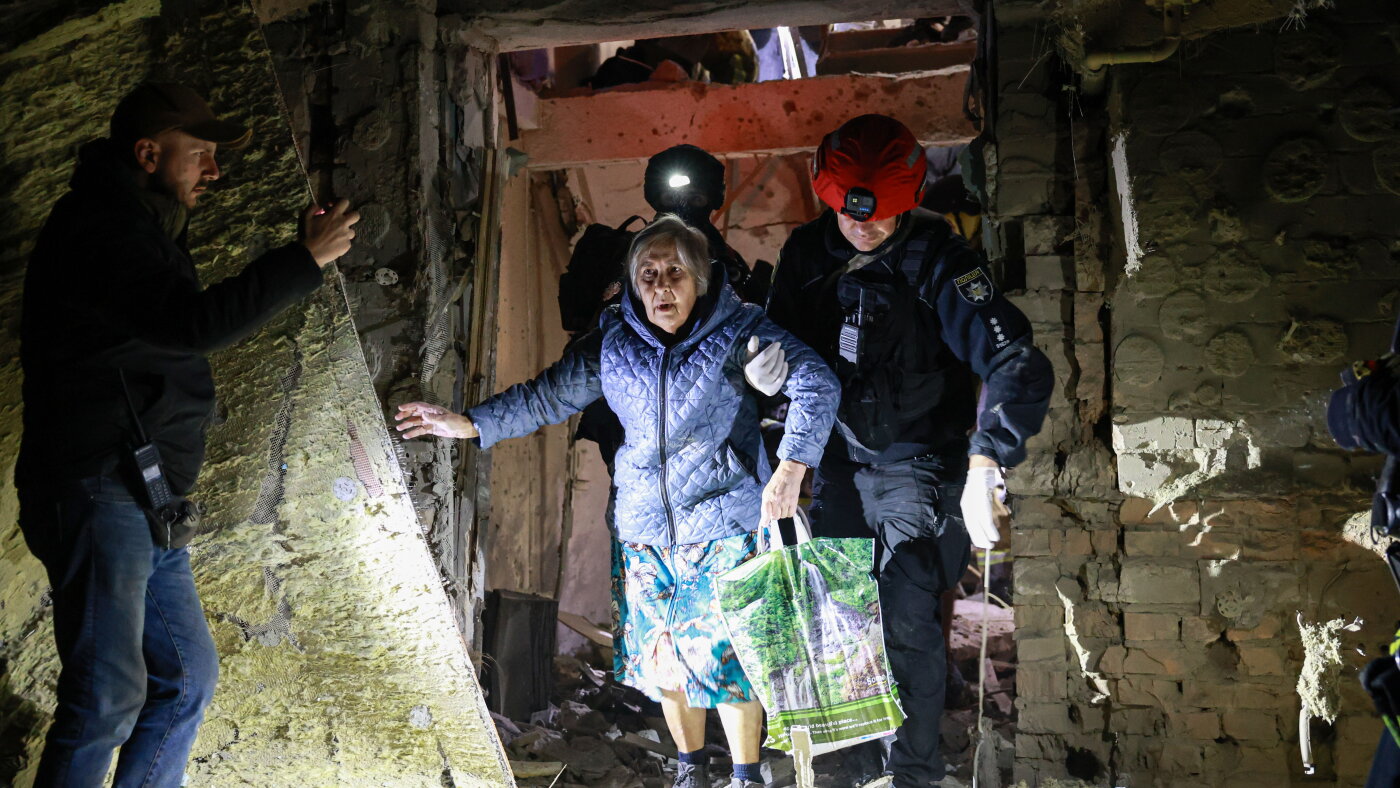
For those in Ukraine, the policy shift occurs as the country faces intensified strikes on its energy infrastructure. Zelenskyy reported that more than 15 sites were targeted in a recent massive strike, while Ukrainian officials warned that Russia is stockpiling ballistic missiles for winter attacks. The immediate result of the pause is the continued operation of the targeted Russian financial and energy entities without new U.S. legal restrictions. The next steps depend on whether Congress takes action or if the administration provides further details on the duration of the pause.