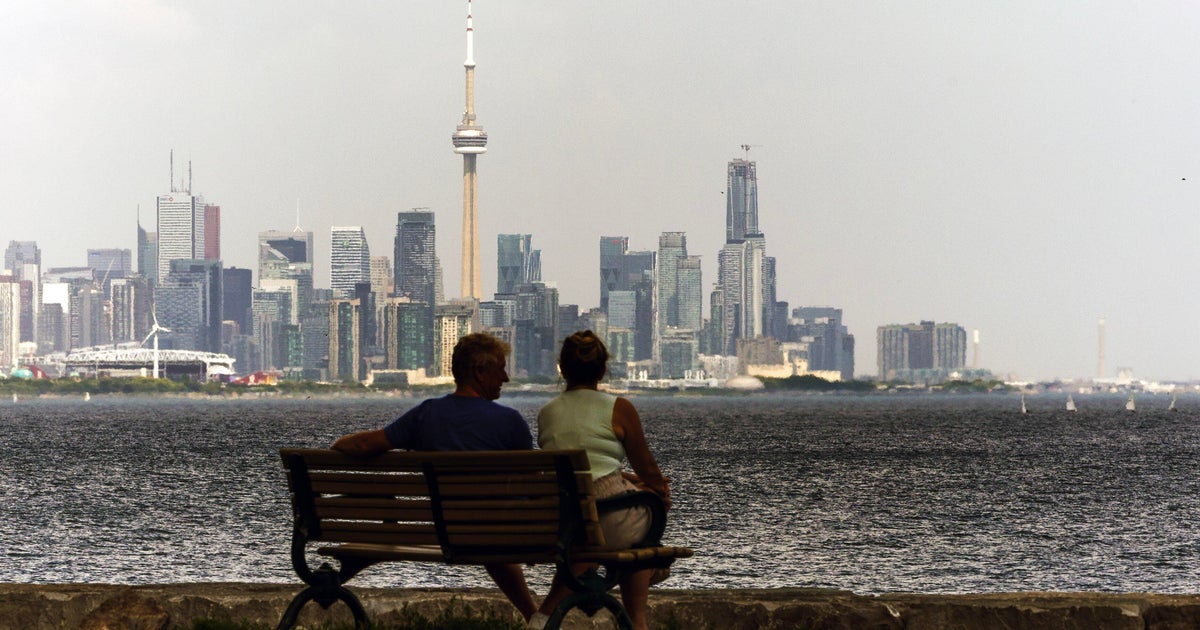
President Donald Trump announced Tuesday that the United States is considering renaming Lake Ontario to "Lake America." The statement, made via social media, cited an escalating trade dispute between the U.S. and Canada as the primary motivation. Mr. Trump stated that the U.S. does not expect to maintain significant business ties with the province of Ontario in the future.
This proposal follows a series of recent economic actions between the two North American neighbors. On Saturday, the U.S. began applying 50% tariffs to hundreds of Canadian products after trade negotiations failed to reach a resolution. In response, Canadian Prime Minister Mark Carney pledged to implement retaliatory tariffs against U.S. goods.
On Monday, Mr. Trump further announced that a 50% tariff would be placed on all Canadian automotive and steel imports starting in January. The president claimed that Canada has historically taken advantage of the U.S. in trade matters, stating that the country would no longer be treated like a U.S. state. During his second term, Mr. Trump has also made remarks regarding the possibility of Canada becoming the 51st state and has sparred with Canadian officials over NATO and bridge infrastructure.
The move follows a similar action taken in early 2025, when Mr. Trump signed an executive order to rename the Gulf of Mexico to the "Gulf of America." While that name change applies to U.S. federal references, international recognition of the new name is not mandated for other nations. Lake Ontario, one of the five Great Lakes, is currently shared between the U.S. state of New York and the Canadian province of Ontario.
The scale of the impact involves the entire automotive and steel supply chains between the two nations, which are major trading partners. While the source does not provide a specific dollar amount for the total trade volume affected, the 50% tariff rate applies to all imports in these categories. Individuals employed in manufacturing, shipping, and cross-border logistics will notice the impact through potential shifts in production schedules or changes in the availability of Canadian-sourced materials.
The renaming of Lake Ontario represents a shift in bilateral diplomatic protocol. A similar executive order regarding the Gulf of Mexico changed how federal agencies refer to that body of water, though it did not change international maps. The next steps in the trade dispute include the implementation of the automotive and steel tariffs in January and the promised retaliatory tariffs from the Canadian government under Prime Minister Mark Carney. No specific date was provided for when a formal executive order regarding the lake's name might be signed.