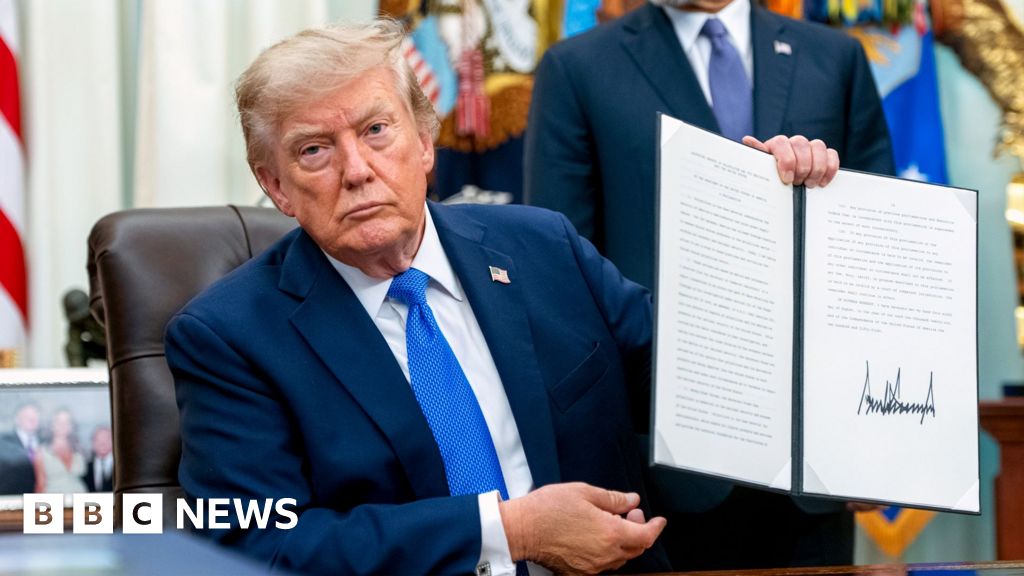
President Donald Trump signed two executive orders on Thursday intended to restrict birthright citizenship in the United States. One order targets "birth tourism" by banning the practice of pregnant women traveling to the U.S. specifically to give birth so their children gain citizenship. The second order expands the list of non-citizens whose children are ineligible for automatic citizenship, focusing on specific categories of parents.
These actions follow a June Supreme Court ruling that rejected the administration’s previous attempt to eliminate birthright citizenship through a 2025 executive order. The president stated on Thursday that the court's prior ruling was "unfair" and that the administration is now pursuing its goals through different legal mechanisms. The 14th Amendment has historically been interpreted to grant citizenship to those born on U.S. soil, a policy the president described as 150 years old.
The first executive order prohibits automatic citizenship for infants born in the U.S. to two non-citizen parents if one parent is a member of a foreign terrorist group, a foreign government employee, or is residing in U.S. territories where citizenship is not conferred by federal statute. It also applies to parents who attempted to obtain citizenship through fraud. Homeland Security Advisor Stephen Miller stated the president has authority under the Immigration and Nationality Act to set such limitations on entry to the country.
For those affected, the concrete change involves the legal status of their children. Instead of receiving automatic citizenship, which provides access to U.S. passports, voting rights, and welfare benefits, these children would be denied those rights and protections. Stephen Miller noted that the administration intends to prevent these children from leaving and later returning to exercise "privileges that belong solely to Americans." Legal experts, such as Professor Gabriel Chin, suggest that while the government may restrict entry for pregnant visitors, the denial of citizenship to those already born on U.S. soil faces constitutional challenges.
The knock-on effects could involve significant legal proceedings and changes to immigration enforcement at U.S. borders. If the orders are upheld, they would set a precedent for executive authority to narrow the scope of the 14th Amendment without a constitutional amendment. However, the Supreme Court’s recent June ruling suggests the judiciary may intervene again. What happens next depends on the timing of expected legal challenges; while the orders were signed Thursday, their implementation may be stayed by courts as they review whether the president has the power to decide who is a citizen after a birth has occurred.