President Donald Trump suggested that the United States could address its national debt by using inflation, according to reports on Tuesday, October 20, 2026. The proposal involves allowing the value of the dollar to decrease, which would theoretically lower the relative cost of paying back fixed-rate government obligations.
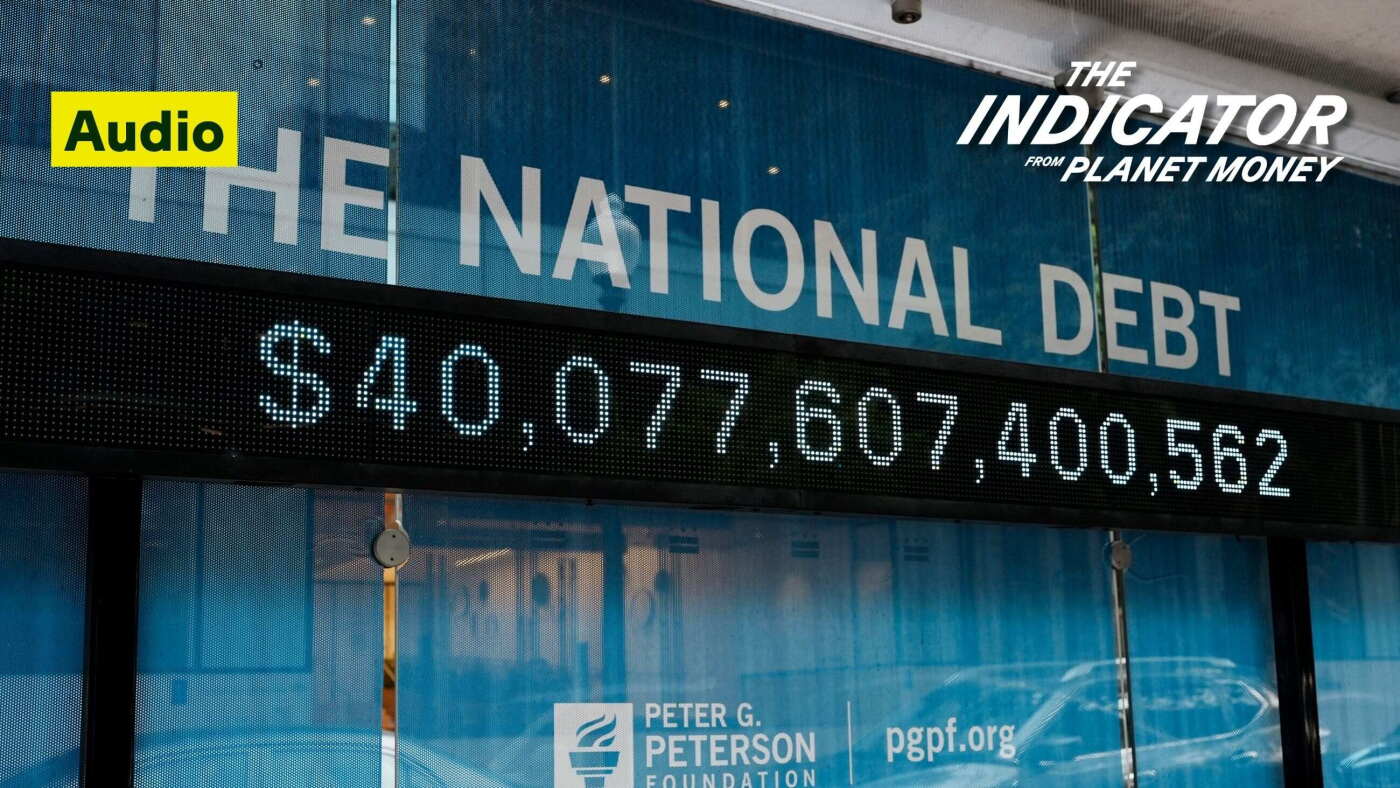
The suggestion comes as the United States national debt has reached a level exceeding $40 trillion. Economists and policymakers have described the debt level as a potential crisis, leading to various proposals on how to manage the federal government's financial obligations.
Inflation typically reduces the purchasing power of a currency. When the government borrows money, it often does so through bonds with fixed interest rates; if inflation rises, the government repays those debts with dollars that are worth less than they were at the time the money was borrowed. The specific mechanism and timing for how this would be implemented were not reported.
The concrete day-to-day change for an average household would be a decrease in purchasing power. While the government's debt burden would become smaller relative to the size of the economy, individuals would likely see their bills for groceries, energy, and housing rise, while their fixed benefits or salaries might not keep pace. The knock-on effects could include higher interest rates as lenders demand more return to compensate for inflation, potentially increasing the cost of mortgages and small-business loans.
This approach sets a precedent for using monetary policy to manage fiscal obligations, which can impact the long-term stability of the U.S. dollar as a global reserve currency. What happens next depends on whether the administration pursues specific executive actions or coordinates with the Federal Reserve, though no specific dates for implementation or legislative votes have been announced. The 2026 midterm elections are also approaching, which may influence the policy debate.