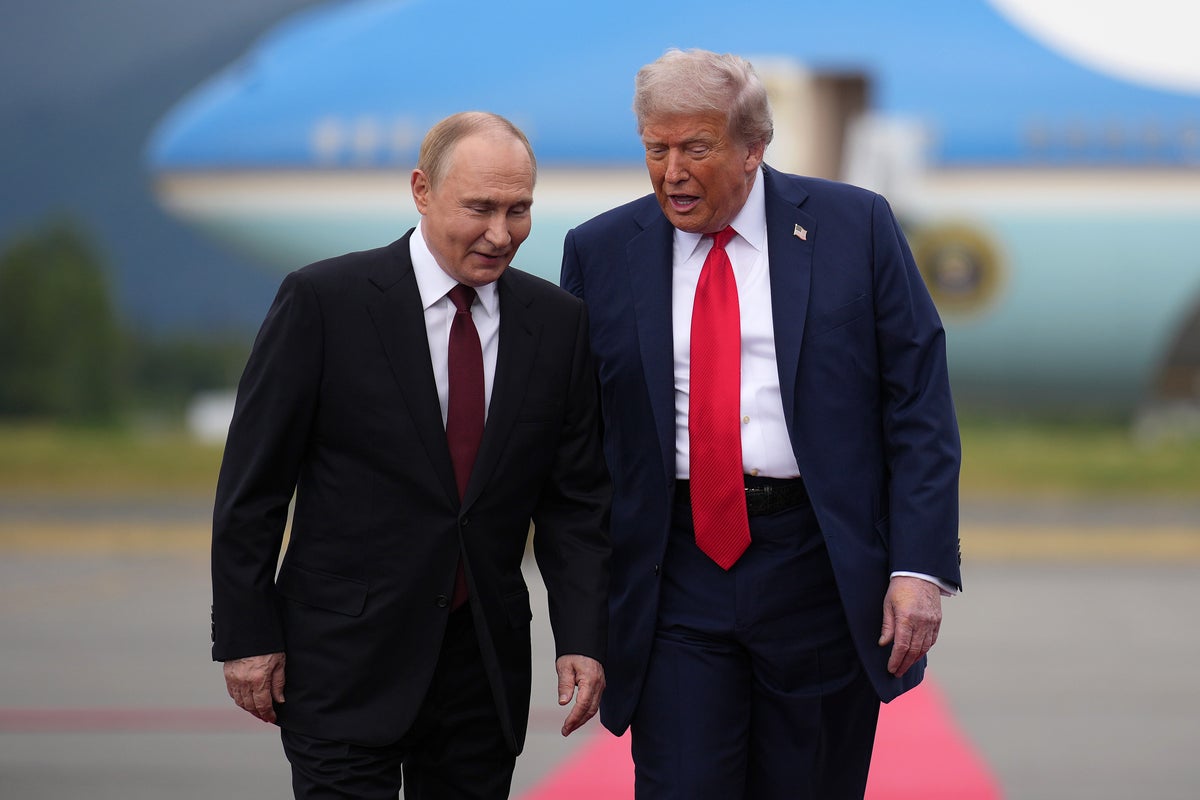
President Donald Trump signed an executive order on Friday, October 16, 2026, to pause a new package of sanctions against the Russian economy. The president informed Congress that the hold is in the "national interest," according to a White House notification. The move comes two days before the implementation deadline established by the legislation, which Trump had signed into law in September 2026.
The legislation, named after the late Senator Lindsey Graham, was designed to restrict financial resources used by Russia in its war against Ukraine. The bipartisan bill was co-drafted by Senator Richard Blumenthal and focused on targeting Russian officials, banks, and a "shadow fleet" of oil tankers. The suspension follows a recent announcement by the president that the U.S. would purchase Russian diesel to address global energy prices, a decision French President Emmanuel Macron stated sends a "negative signal."
Democratic Representative Don Beyer of Virginia criticized the pause, calling on Congress to amend the law. Meanwhile, Ukrainian President Volodymyr Zelensky reported that Ukraine has resumed strikes on Russian oil refineries, expressing concern that the U.S. diesel deal would allow funds to flow back to the Russian government. Trump stated his primary focus is ending the war, telling reporters, "I know the details, OK... I want that war ended."
For U.S. households and businesses, the decision is linked to energy costs. The Trump administration indicated that the parallel deal to purchase Russian diesel was intended to lower global energy prices, which have risen during the conflict. The move signifies a shift in how the administration balances economic pressure on Russia with domestic and global fuel costs. The suspension also prevents immediate changes to the legal rights of financial institutions and shipping companies that would have been required to halt transactions with sanctioned Russian entities by the mid-October deadline.
The decision has immediate effects for U.S. allies and international policy. President Zelensky stated the diesel deal would "put more money straight into Putin’s pocket," while European leaders expressed concern that the U.S. is relaxing pressure on Moscow. The hold sets a precedent for executive intervention in bipartisan sanctions legislation shortly after its passage. Looking ahead, the focus shifts to the U.S. Congress, where Representative Beyer has signaled an intent to challenge the president's authority to pause the law. The midterm elections on November 3, 2026, will determine whether the administration maintains the congressional support necessary to sustain this policy shift.
The White House submitted a report to Congress explaining the decision late on October 16, though the specific details of that report have not been publicly released. The administration has not yet provided a date for when, or if, the pause will be lifted. In the interim, British forces are scheduled to join those from France and Germany in wargame exercises in Poland next month aimed at ensuring NATO forces are ready to provide Ukraine with security guarantees once the war is over.