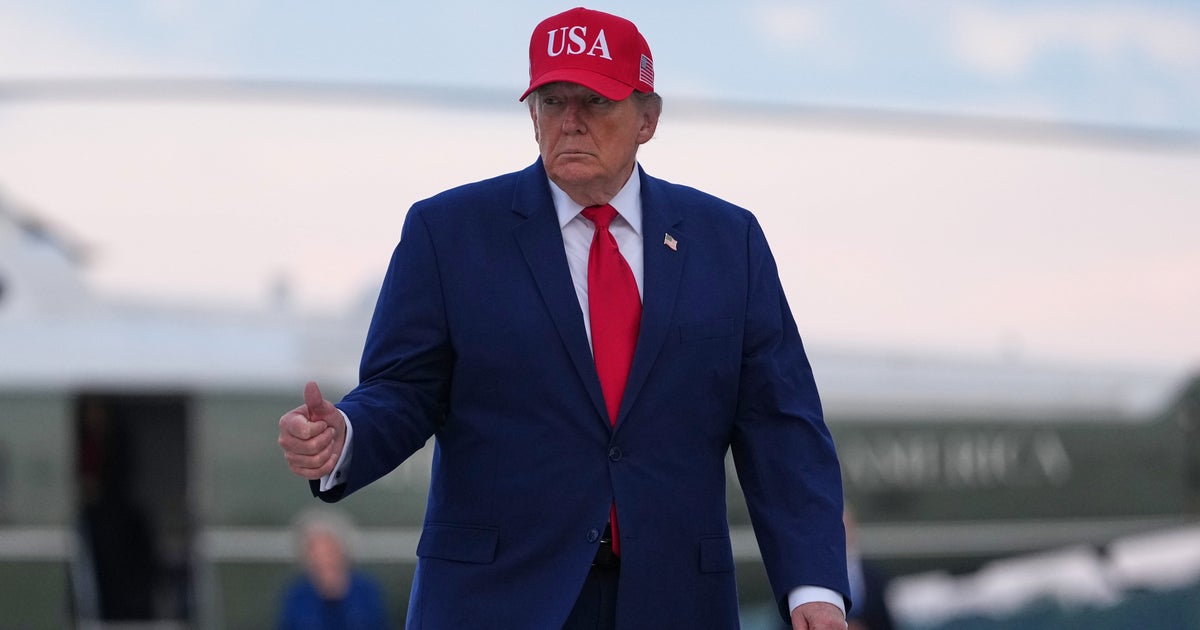
President Donald Trump signed an executive order on Friday, October 16, 2026, to pause a new sanctions package targeting the Russian economy. The president informed Congress that the suspension was in the national interest, though the White House did not immediately provide a specific explanation for the decision.
The pause comes approximately one month after President Trump signed the legislation into law. The sanctions bill, named after the late Sen. Lindsey Graham (R-SC), was designed to restrict financial resources used by Russia in its war against Ukraine. The measure had received bipartisan support in both the House and Senate following the death of Sen. Graham in July 2026.
The legislation, co-authored by Sen. Richard Blumenthal (D-CT), targeted Russian officials, banks, and a fleet of tankers used for energy exports. Additionally, the bill directed the administration to impose tariffs of up to 100% on the top five importers of Russian oil or natural gas, with specific exemptions for countries that imported less than 15% of Russia’s natural gas and were actively reducing those imports.
The suspension of the sanctions follows the president's announcement on Friday, October 9, 2026, of a deal to purchase diesel from Russia. Under the agreement, Russia is expected to supply 300,000 tons of diesel immediately, 500,000 tons in November, and 1 million tons shortly thereafter, followed by another 3 million tons. President Trump stated the purchase was intended to lower global energy prices, which have risen during the U.S. conflict with Iran.
For American consumers and the broader energy market, the immediate change involves the direct importation of Russian diesel. The deal involves the purchase of 300,000 tons of diesel this month, with an additional 1.5 million tons scheduled for the near future and 3 million tons to follow. While the president stated this is intended to lower fuel prices, the concrete impact on individual household energy bills or gasoline prices at the pump has not been quantified. Critics in both parties have questioned whether these imports will successfully lower prices, which an Oct. 1 AP-NORC poll suggests Americans attribute to the president's handling of the war with Iran.
The decision also holds political and legal implications as the Nov. 3, 2026, elections approach. The move sets a precedent for executive suspension of recently enacted bipartisan legislation based on "national interest" declarations. The next steps involve a review by Congress of the report submitted by the White House explaining the decision. Sen. Darline Graham, who is running for her late brother’s seat, noted that the implementation of the law remains the president’s prerogative. Further actions regarding the diesel deliveries and the status of the sanctions depend on upcoming administrative reports and the timeline of the Russian energy shipments.