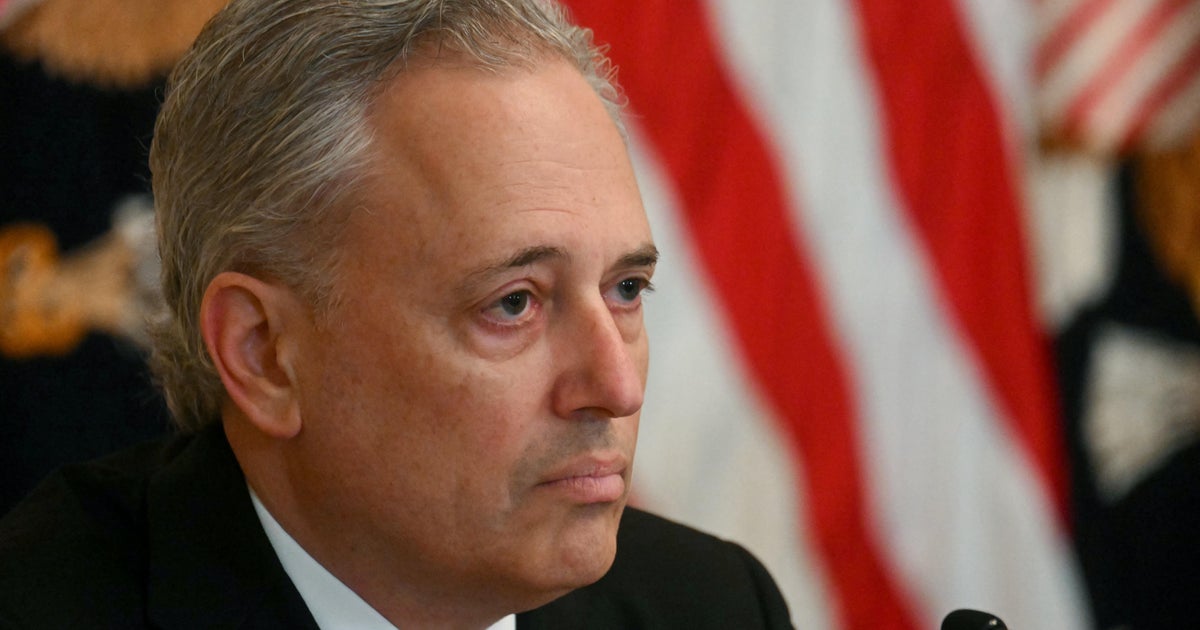
David Sacks, co-chair of the President’s Council of Advisors on Science and Technology, stated in an interview with CBS News that concerns regarding artificial intelligence (AI) as a threat to humanity are overstated. Sacks, who previously served as the president’s AI and cryptocurrency czar until May, argued that current rhetoric surrounding AI risks has become a "panic" amplified by political incentives during an election season. While acknowledging that caution is necessary, he advocated for the continued development of the technology.
The remarks from Sacks follow recent warnings from industry figures regarding the potential for catastrophic harm. On September 8, former Anthropic researcher Jacob Coxon alleged that companies like Anthropic and OpenAI are "gambling with our lives" by pursuing self-improving "superintelligence." Anthropic CEO Dario Amodei also stated that "real dangers" exist and suggested the industry had previously been untruthful about the risks associated with AI.
Sacks placed the responsibility for safety directly on developers of large language models rather than the government. He stated that if companies cannot ensure their products are safe, they should "step aside for people who can do that" instead of creating public fear. Sacks also noted that halting U.S. development could allow China to surpass American progress, stating it is "pretty clear they're not going to stop."
The disagreement between Sacks and other tech leaders highlights a split in how the U.S. balances safety against global competition. If the view held by Sacks and President Trump prevails—that the industry is already sufficiently regulated—companies will continue developing "superintelligence," a stage where AI could outperform humans at cognitive tasks within an estimated one to ten years. Conversely, if calls from CEOs like Sam Altman and Dario Amodei for slower development are heeded, it could lead to federal mandates that change how AI products are tested and released to consumers.
This conflict sets a precedent for how the U.S. government handles emerging technologies that carry both economic potential and theoretical existential risks. Currently, Congress has not passed significant legislation to address these concerns, leaving the industry to navigate a mix of existing regulations and voluntary safety pledges. What happens next depends on the actions of the Council of Advisors on Science and Technology and potential legislative movement in Congress, though no specific dates for votes or new policy implementation were reported.