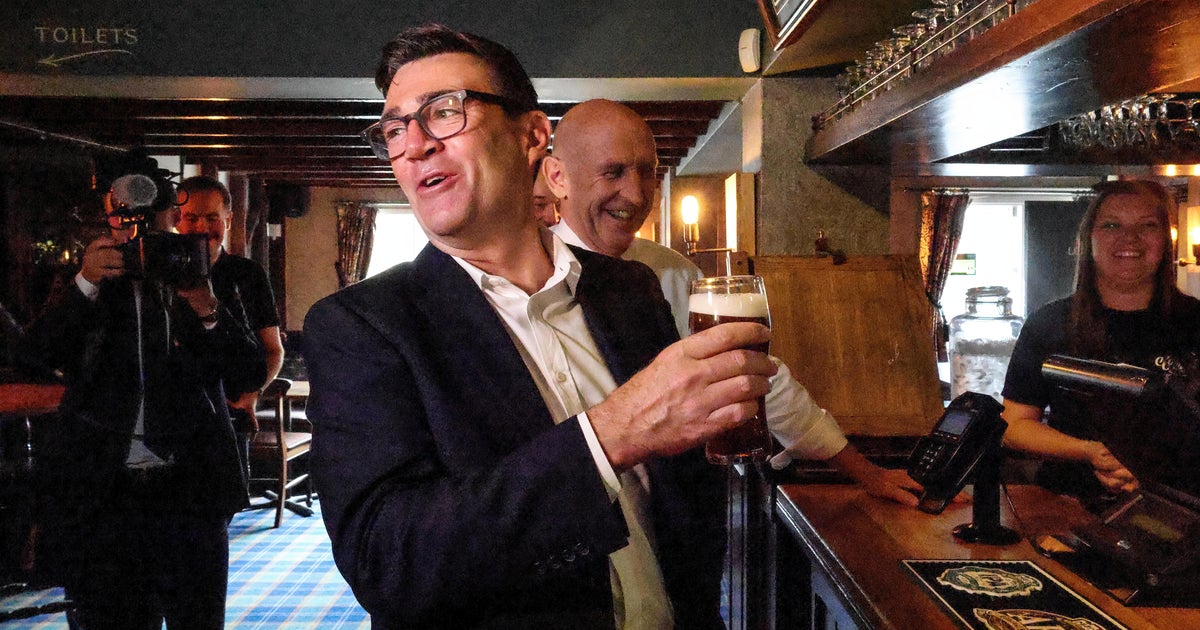
British Prime Minister Andy Burnham stated on Wednesday, September 23, 2026, that he supports reviewing the 41-year-old ban on drinking alcohol in view of the pitch at high-level men's soccer matches. Speaking to reporters in New York while attending the United Nations General Assembly, Burnham characterized the current legislation as "discrimination" against soccer fans, noting that spectators of other sports like rugby and cricket are permitted to drink in their seats.
The restriction was established under the Sporting Events (Control of Alcohol etc) Act 1985 during the administration of Prime Minister Margaret Thatcher. The law was intended to curb soccer hooliganism and crowd violence. Currently, fans in the top five tiers of English men's soccer—from the Premier League down to the National League—may purchase alcohol in stadium concourses before matches and at halftime but are legally prohibited from bringing drinks into the stands.
Burnham suggested that the ban could be lifted on a trial basis, echoing a 2021 fan-led review that recommended piloting alcohol sales in sight of the pitch. The proposal has received support from the Football Supporters' Association (FSA) and the English Football League (EFL), who argue the rules are outdated. However, the UK Football Policing Unit (UKFPU) has criticized the potential change, stating it would be "irresponsible" to allow greater alcohol consumption given the history of violence associated with the sport.
The financial scale of the impact involves the potential for increased matchday revenue for soccer clubs. Currently, fans often rush to concourses during halftime, leading to long lines; allowing consumption in seats would likely spread purchasing throughout the match. While exact revenue projections were not reported, 25 of the 26 clubs in the Women’s Super League (WSL) and WSL2 have already adopted the practice following a trial that ended in the summer of 2026. For fans, the change would mean the ability to watch a full match without leaving their seat early for drinks.
The move faces opposition from law enforcement, who cite safety concerns and the precedent of past tragedies. The UKFPU argues that football-related disorder remains a challenge compared to other sports and that alcohol is a "major contributory factor" in such behavior. The knock-on effects could include higher policing costs for local authorities and new requirements for stadium stewarding. What happens next depends on the government's consultation process; while no formal legislation has been introduced, Premier League CEO Richard Masters stated he is open to discussions, and the UKFPU has requested a meeting with the Prime Minister to present its views.