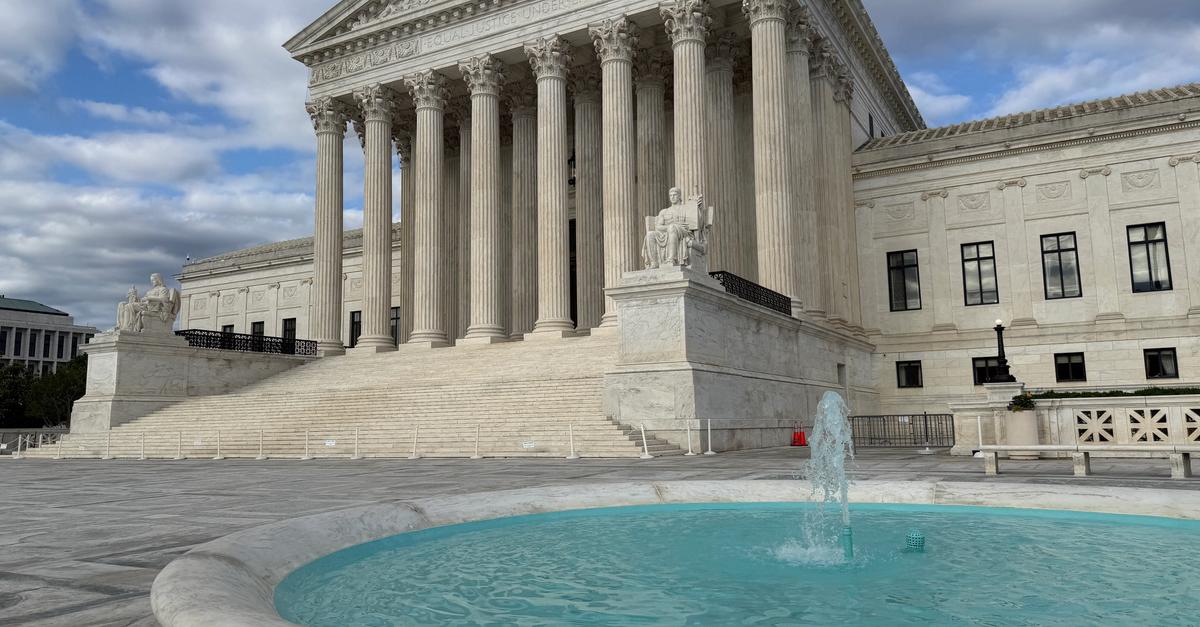
Law professor Josh Blackman proposed on Tuesday that active U.S. Supreme Court justices should be required to rotate through different regional circuit courts and preside over en banc hearings. The proposal, published as part of a commentary series on judicial reform, suggests that justices should also preside over trial-level criminal and civil cases to gain practical experience with lower-court operations.
Under current federal law, 28 U.S.C. § 42, the chief justice assigns a circuit justice to each of the 12 regional courts of appeals. These assignments are often based on personal connections—such as a justice’s former service on a specific circuit—or, as Blackman suggests, ideological considerations for handling emergency motions. While retired justices frequently sit on lower courts by designation under 28 U.S.C. § 294, active justices rarely do so, despite provisions in 28 U.S.C. § 45(b) that grant a circuit justice precedence over circuit judges when attending a session.
Blackman’s proposal includes three primary changes: randomizing circuit assignments annually, requiring justices to preside over one en banc oral argument—where all judges of a circuit hear a case together—per term, and establishing permanent chambers for justices within their assigned circuits. He also suggested that justices follow the precedent of former Associate Justice William Rehnquist, who presided over a civil rights trial in a Virginia district court in 1984.
On a per-case level, the participation of a Supreme Court justice in lower-court rulings would introduce a "view from the top" directly into the appellate process. This could impact how lower courts interpret the Supreme Court’s "interim docket"—orders that are precedential but often lack detailed reasoning. Blackman argues this would bridge a communication gap for federal judges who have described their relationship with the high court as strained. For a typical person involved in a federal lawsuit, the presence of a justice on their panel could mean their case receives a direct preview of Supreme Court logic before any formal appeal is filed.
The proposal also carries logistical implications for federal spending, as it suggests Congress should fund travel costs for justices to work outside the capital. While no legislation currently mandates these changes, Blackman notes that 28 U.S.C. § 44 already requires circuit judges to reside in their assigned circuits, a rule that currently does not apply to Supreme Court justices. The next steps for such a proposal would require either a voluntary change in practice by the chief justice or legislative action by Congress to formalize the rotation and lower-court service requirements.