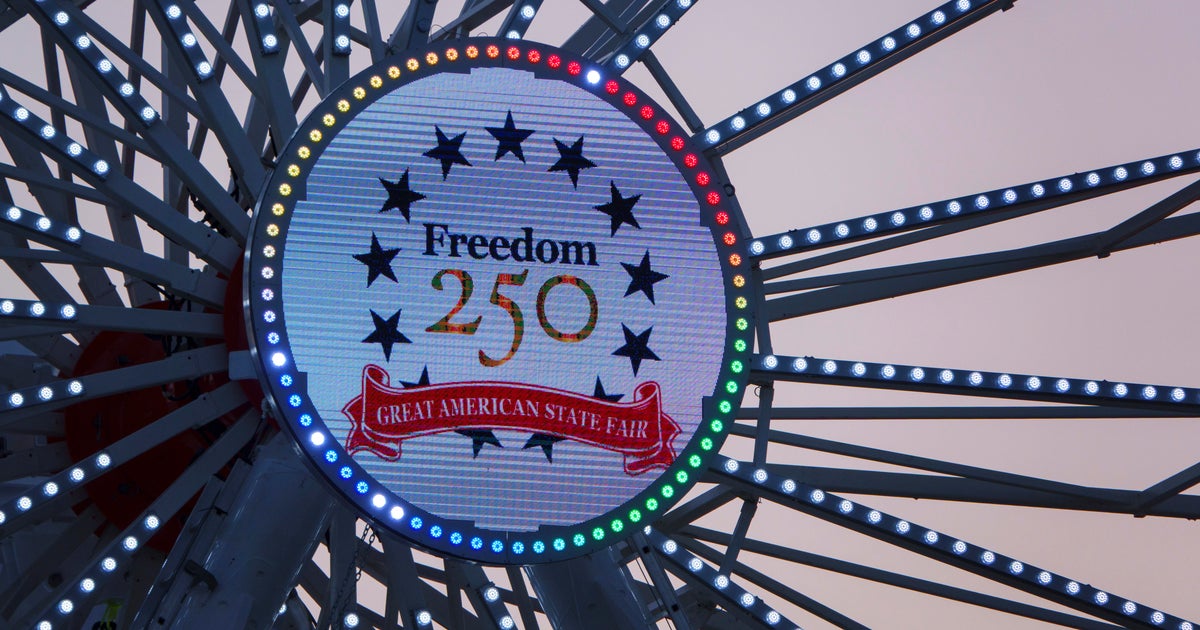
Recent legislative efforts by House Republicans to increase transparency for nonprofit fundraising could affect Freedom 250, a project associated with the Trump administration's plans for America’s 250th anniversary. The House Ways and Means Committee recently advanced a bill that would require charities to disclose "fiscal sponsorship" arrangements, a mechanism currently used by Freedom 250 to operate under the umbrella of the National Park Foundation.
Freedom 250 was established in October 2025 as a Delaware-based limited liability company (LLC) and a subsidiary of the National Park Foundation, a congressionally chartered nonprofit. According to government records, the National Park Foundation received approximately $90 million in federal funds for anniversary celebrations, while Freedom 250 has independently sought seven-figure corporate sponsorships. Because it is a subsidiary, Freedom 250 does not file its own public financial disclosures or tax returns.
The proposed legislation follows years of Republican criticism directed at progressive nonprofits that use similar fiscal sponsorship structures. Rep. Jason Smith (R-MO), chairman of the House Ways and Means Committee, has launched multiple probes into left-leaning groups, alleging these structures allow "dark money" to influence partisan causes without sufficient oversight. Treasury Secretary Scott Bessent expressed support for the bill, stating it would provide "clearer reporting" and help prevent the concealment of "fraud, abuse, and illegal extremist activity."
Nonprofit experts noted that the bill's requirements would apply to Freedom 250 despite its ties to the current administration. Lloyd Mayer, a law professor at the University of Notre Dame, stated that while the bill would not require naming individual donors, it would likely force the National Park Foundation to report how much money is routed through Freedom 250 and who manages the entity. Currently, Interior Secretary Doug Burgum has stated the group is "run out of the White House," though corporate filings list a National Park Foundation executive as the beneficial owner.
For ordinary citizens and donors, the move would provide greater visibility into how large charitable foundations allocate their resources between their core missions and specialized subsidiaries. The scale of the impact is substantial, as fiscal sponsorships account for billions of dollars in annual charitable activity across the United States. While the bill’s proponents argue it closes a loophole used for political influence, nonprofit advocacy groups like the National Council of Nonprofits warn that the broad language could inadvertently penalize non-partisan community projects that rely on established charities for administrative support.
The bill’s progress sets a precedent for direct federal oversight of internal nonprofit accounting methods that were previously unregulated by specific tax code definitions. Following the committee's approval, the bill moves toward a full House vote, though a specific date has not been set. The White House has not yet issued a formal statement on whether President Trump will sign the legislation if it reaches his desk, creating uncertainty for both progressive advocacy groups and administration-linked projects like Freedom 250.