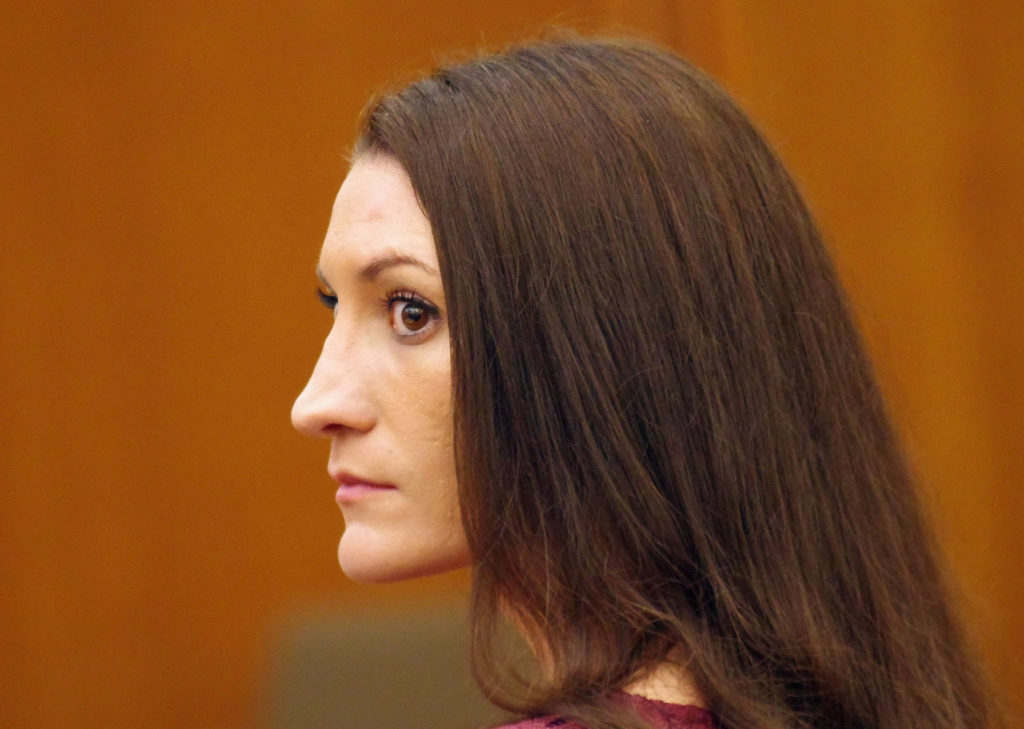
Forensic experts testifying for the prosecution in the trial of Lindsay Clancy stated Tuesday that they believe the defendant is criminally responsible for the deaths of her three children. The witnesses challenged defense claims that Clancy, 36, was suffering from postpartum psychosis and acting under the influence of auditory hallucinations when she strangled her children in January 2023.
Defense attorney Kevin Reddington does not dispute that Clancy killed the children but argues she should not be held responsible due to postpartum psychosis, a rare mental health condition. Following the killings of her children—Callan, Dawson, and Cora—Clancy attempted to take her own life. She has pleaded not guilty to murder charges.
Dr. Gregory Saathoff, a forensic psychiatrist for the FBI’s Behavioral Analysis Unit, testified that Clancy’s account of hearing a voice was "unconvincing." Saathoff noted that Clancy claimed the voice stopped immediately after the children were killed, a phenomenon he stated he had never seen in clinical practice. Forensic psychologist Kirk Heilbrun also testified that Clancy likely killed the children out of a desire to not leave them behind after her planned suicide, rather than due to a "command hallucination."
The scale of the case involves the lives of three children, ages not specified in the source, and a 20-minute window on January 24, 2023, during which the prosecution alleges Clancy made a series of deliberate choices. A household would notice the legal precedent set regarding the "insanity defense" in cases of postpartum psychosis, which the defense characterizes as a result of hormonal changes and sleep deprivation. The prosecution’s argument centers on the claim that Clancy retained "moral awareness" of the illegality of her actions, a distinction that could influence how future cases involving maternal mental health and violence are prosecuted in Massachusetts.
The proceedings are reaching their final stages, which will determine the long-term legal and medical custody of the defendant. Dr. Saathoff is scheduled to resume his testimony on Wednesday. Following the conclusion of expert testimony, the court expects to hear closing arguments from both the prosecution and the defense as early as Thursday, after which the jury will begin deliberations.
Dr. Heilbrun testified that Clancy’s actions, including sending her husband out for errands to clear the house, indicated a capacity for decision-making. Defense attorney Reddington countered by citing testimony from family and friends who described Clancy as a "wonderful wife" and "great mother" prior to the event, questioning how a person with no history of abuse could "randomly" commit such acts without the influence of a severe mental break.