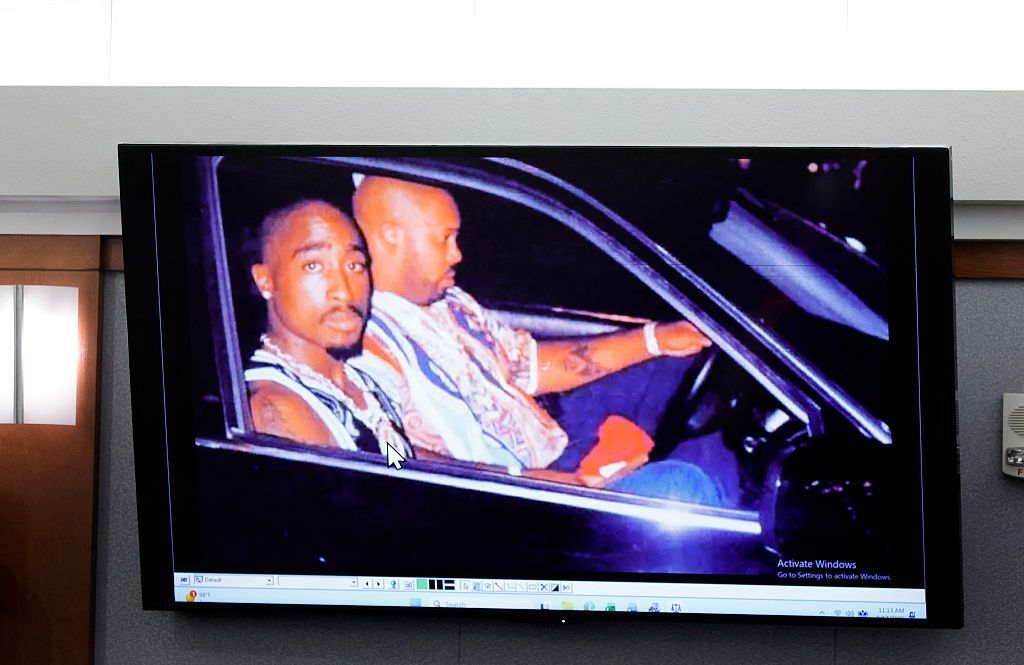
Prosecutors in Las Vegas presented opening statements Monday in the murder trial of Duane "Keffe D" Davis, who is accused of orchestrating the 1996 drive-by shooting of rapper Tupac Shakur. Davis, 63, has pleaded not guilty to the charge. While prosecutors acknowledge Davis did not pull the trigger, they allege he acted as the "on-site commander" who planned the killing as retaliation for a physical altercation involving his nephew earlier that evening.
The case concerns events from September 7, 1996, when Shakur was shot multiple times after attending a Mike Tyson boxing match. The rapper died six days later at the age of 25. For nearly three decades, the investigation remained open without formal charges, a delay prosecutors attributed to a lack of cooperation from witnesses in an environment where they said "silence means survival." The prosecution's case now relies heavily on statements Davis allegedly made between 1998 and 2003, as well as a 2019 memoir he co-authored.
During the first day of testimony, former Las Vegas police officer Garry Dale testified that Shakur refused to identify his attackers while in an ambulance, reportedly saying, "We'll take care of it." Another witness, Ingrid Stokes, described the moment of the shooting, stating she heard gunshots while stopped at a light near Shakur’s vehicle. Chief Deputy District Attorney Binu Palal told the jury that Davis provided the weapon to his nephew, Orlando Anderson, who then fired into the car carrying Shakur and Death Row Records co-founder Marion "Suge" Knight.
Defense attorney Michael Sanft challenged the prosecution’s narrative, labeling the case "fiction" and questioning the lack of physical evidence or corroboration after 30 years. The defense argued that the 2019 memoir was partially fictionalized to increase sales and should not be treated as a confession. Sanft further characterized the decades-long investigation as "biased, sloppy and incomplete," claiming the state’s witnesses are unreliable individuals motivated by money or media attention.
The scale of the trial involves the testimony of various experts, investigators, and potential celebrity witnesses over the next several weeks. The proceedings focus on the death of a 25-year-old man and the alleged involvement of a former street gang leader in a conspiracy to commit murder. For the defendant, Duane Davis, the trial carries the possibility of life imprisonment. For the Las Vegas Metropolitan Police Department and the District Attorney's office, the case is a test of their ability to reconstruct a 1996 crime scene using modern testimony to explain why no arrests were made for 27 years.
Day-to-day, the trial will continue to bring details of 1990s gang rivalries and law enforcement practices into a public courtroom. Residents and observers will see how the court balances the use of a defendant's own literary work against his current claims of innocence. The trial is expected to last several weeks in Clark County District Court. Following the conclusion of witness testimony and closing arguments, a jury of Las Vegas residents will deliberate to reach a verdict on the single charge of murder against Davis.