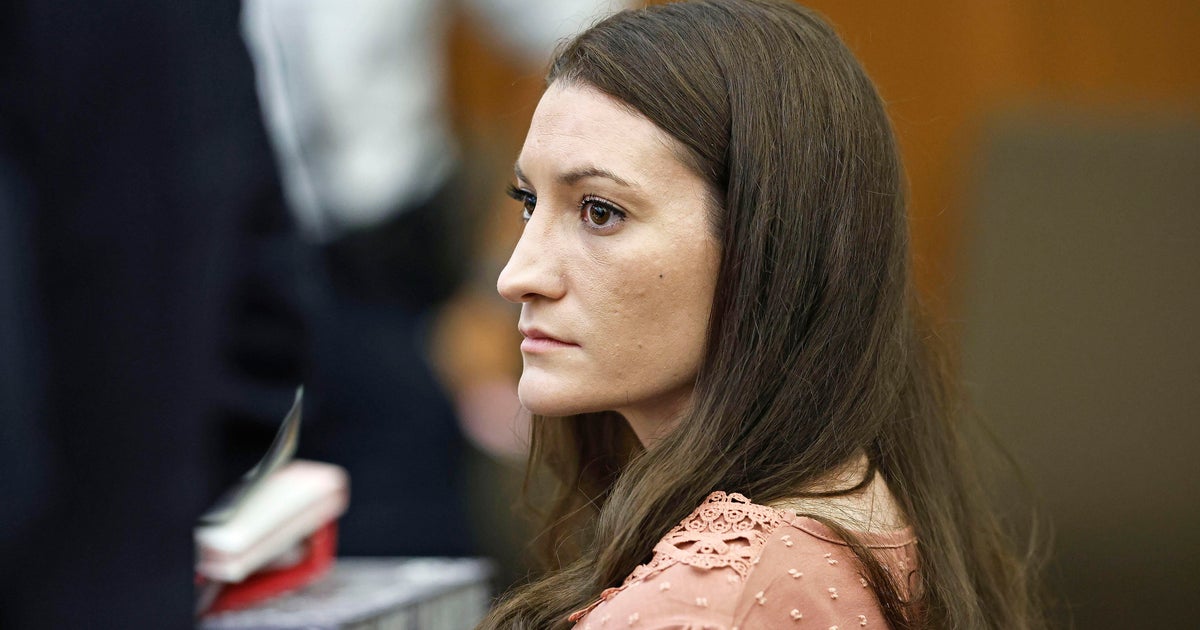
The murder trial of Lindsay Clancy resumed Tuesday in Massachusetts, featuring continued testimony from Dr. Kirk Heilbrun, a forensic psychologist hired by the prosecution. The proceedings followed a brief interruption on Monday when the defense moved for a mistrial after Heilbrun began discussing Clancy's religious background.
Plymouth Superior Court Judge William Sullivan denied the mistrial request on Monday but reprimanded the prosecution regarding the religious testimony. Defense attorney Kevin Reddington was scheduled to cross-examine Heilbrun during Tuesday's session. Following Heilbrun's testimony, the prosecution is expected to call one final rebuttal witness before the trial moves toward its conclusion.
Clancy, 36, is charged with first-degree murder in the January 24, 2023, deaths of her three children: 5-year-old Cora, 3-year-old Dawson, and 8-month-old Callan. The children were killed in their home in Duxbury, Massachusetts. While Clancy has admitted to the killings, she has pleaded not guilty, with her defense arguing that she should not be held criminally responsible due to postpartum psychosis and overmedication.
The outcome hinges on the jury's interpretation of Clancy's mental state at the time of the January 2023 events. Prosecutors have argued the killings were planned, while the defense maintains Clancy was suffering from a severe mental health crisis known as postpartum psychosis. The legal determination of "criminal responsibility" is a specific standard in Massachusetts law that shifts the consequence from a permanent prison term to medical commitment.
The conclusion of the trial is expected to occur shortly, as closing arguments could begin as early as Wednesday. The final decision will set a specific legal precedent for how the state handles cases involving postpartum mental health and criminal intent. Once the jury reaches a verdict, the court will either proceed with sentencing for a life term or initiate the process for psychiatric hospitalization.