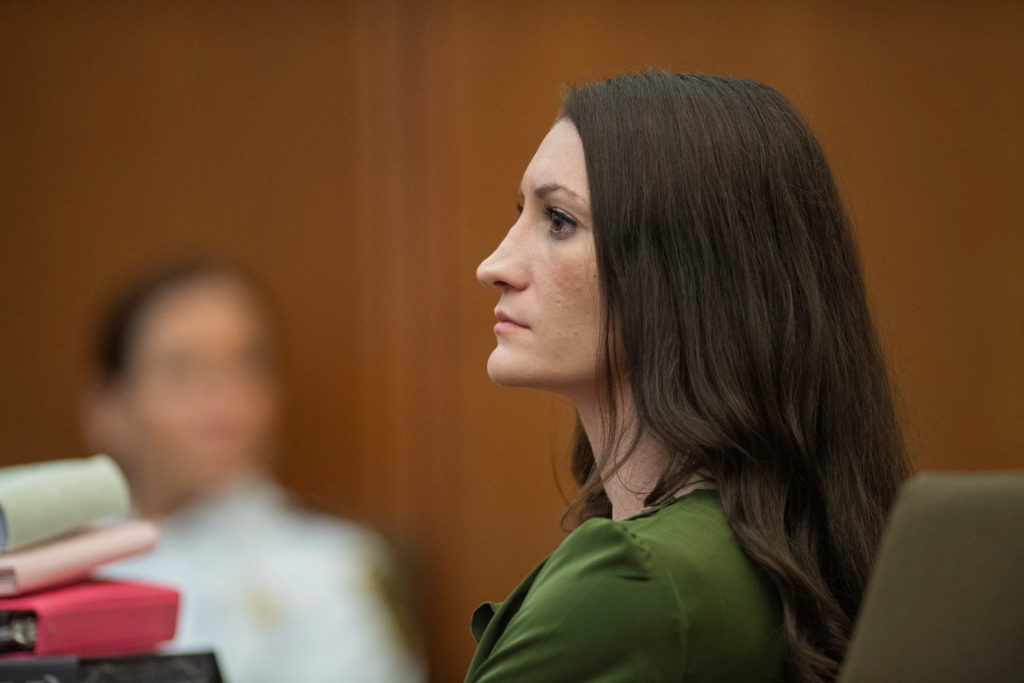
A psychologist testified Wednesday in the murder trial of Lindsay Clancy, stating that she was not criminally responsible for the deaths of her three children due to mental illness. Paul Zeizel, a defense witness who began treating Clancy after the incident, testified that she suffered from bipolar disorder and postpartum psychosis, a condition he said rendered her unable to understand the wrongfulness of her actions or conform her behavior to the law.
The trial centers on the January 2023 deaths of Cora, Dawson, and Callan Clancy, who were aged between 8 months and 5 years. Prosecutors have charged Clancy with murder, alleging she deliberately sent her husband out of the house to run errands before strangling the children. Clancy, a 36-year-old former labor and delivery nurse, has pleaded not guilty and is currently paralyzed from the waist down following a suicide attempt on the day of the killings.
Zeizel testified that Clancy had sought help at a perinatal clinic in December 2022, reporting fears that her "brain was damaged" and expressing suicidal thoughts. During cross-examination, prosecutors challenged Zeizel's objectivity, noting he had appeared at a news conference with the defense attorney. They also highlighted that medical records did not show Clancy reported hearing voices at the time, and they introduced hospital reports indicating she did not outwardly observe her children's birthdays or the anniversary of their deaths while in state custody.
For the general public and healthcare professionals, the trial highlights the documented symptoms of postpartum psychosis, which include paranoia, delusions, and thoughts of self-harm. A reader would notice the distinction between this condition and more common postpartum depression, as the former can involve a total break from reality. The scale of the impact is national, as the case has drawn attention to how the legal system handles parents who commit violent acts while experiencing severe mental health crises following childbirth.
The knock-on effects of the verdict could influence future policy regarding maternal mental health screenings and how courts evaluate "everyday tasks" in the context of psychosis. Zeizel testified that a person in a psychotic state can still perform routine activities like driving or shopping, a point the defense argues explains Clancy's behavior on the day of the deaths. The trial is ongoing at Plymouth Superior Court, and a final verdict date has not been reported.