Public safety agencies and government institutions use specific naming protocols for hurricanes, military operations, and public health emergencies to improve communication and shape public perception. The World Meteorological Organization (WMO) states that naming storms is one of the most effective ways to issue warnings and prevent confusion when multiple weather events are active simultaneously. While individual names have long been used informally, the formal systems utilized today by organizations like the National Hurricane Center and various national militaries are a relatively modern development.
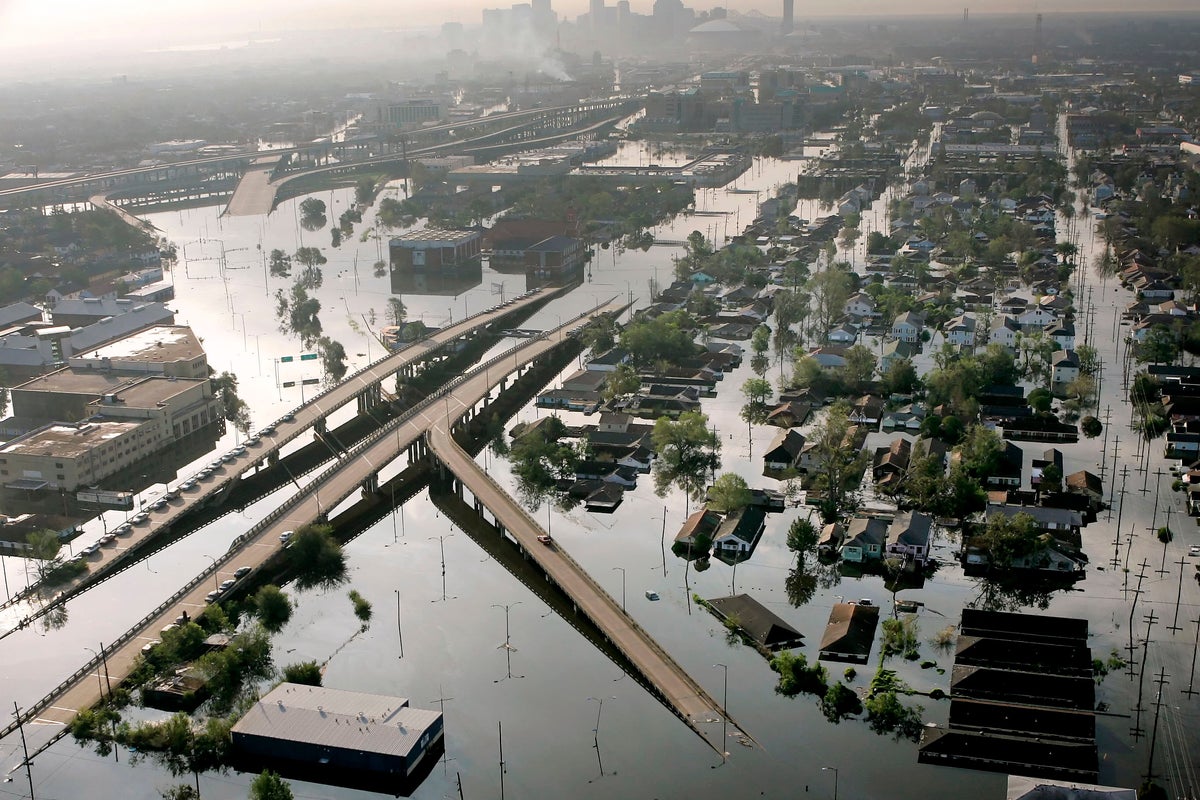
Regional weather bodies maintain alphabetical lists of names that are either recycled every few years or updated annually. In the Atlantic, the letters Q, U, X, Y, and Z are omitted due to a lack of available names. The U.S. moved from using only female names for tropical storms to an alternating male-female system in 1979. Names of storms that result in significant loss of life or property are permanently retired by the WMO to avoid emotional distress and ensure historical clarity. For example, the name Katia replaced Katrina after the 2005 Gulf Coast storm, and Sara replaced Sandy following the 2012 East Coast hurricane.
Military naming conventions evolved from practical tools for concealing plans during World War II into tools for public framing. British Prime Minister Winston Churchill advocated for names that avoided sounding boastful or frivolous, arguing that titles like "Bunnyhug" were inappropriate for operations where service members might die. While the U.K. typically uses single-word names like Operation Granby, the U.S. often uses two-word titles such as Operation Desert Storm. Recent U.S. operations have used titles like Operation Epic Fury, which President Donald Trump said he selected from 20 options during a conflict with Iran in February.
For military personnel and their families, the shift away from names like "Operation Killer" during the Korean War to modern titles like "Operation Enduring Freedom" represents a change in how the government communicates the legitimacy and purpose of conflict. Officials noted that the name "Operation Infinite Justice" was changed to "Enduring Freedom" specifically to avoid offending the religious sensibilities of Muslims, as Islamic theology reserves infinite justice for God. This demonstrates how naming decisions are calibrated to sustain international coalitions and domestic support.
In the public health sector, the World Health Organization (WHO) now discourages naming diseases after locations or animals to prevent the economic and social stigmatization of specific communities. This affects how global health emergencies are reported in news and school curricula, moving away from historical terms like "Spanish flu" or "swine flu." As weather patterns become more extreme, meteorologists like Andrew Charlton-Perez suggest that understanding the psychology of these names will remain critical for avoiding harm. In Britain and Ireland, members of the public can now participate by submitting suggestions for future storm names.
Future updates to hurricane lists occur annually, with retired names being replaced at the next meeting of regional meteorological committees. Military operation names continue to be assigned by executive and command leadership as new conflicts or enforcement campaigns arise. Specific dates for future name changes depend on the conclusion of current hurricane seasons and the emergence of new weather or health events.