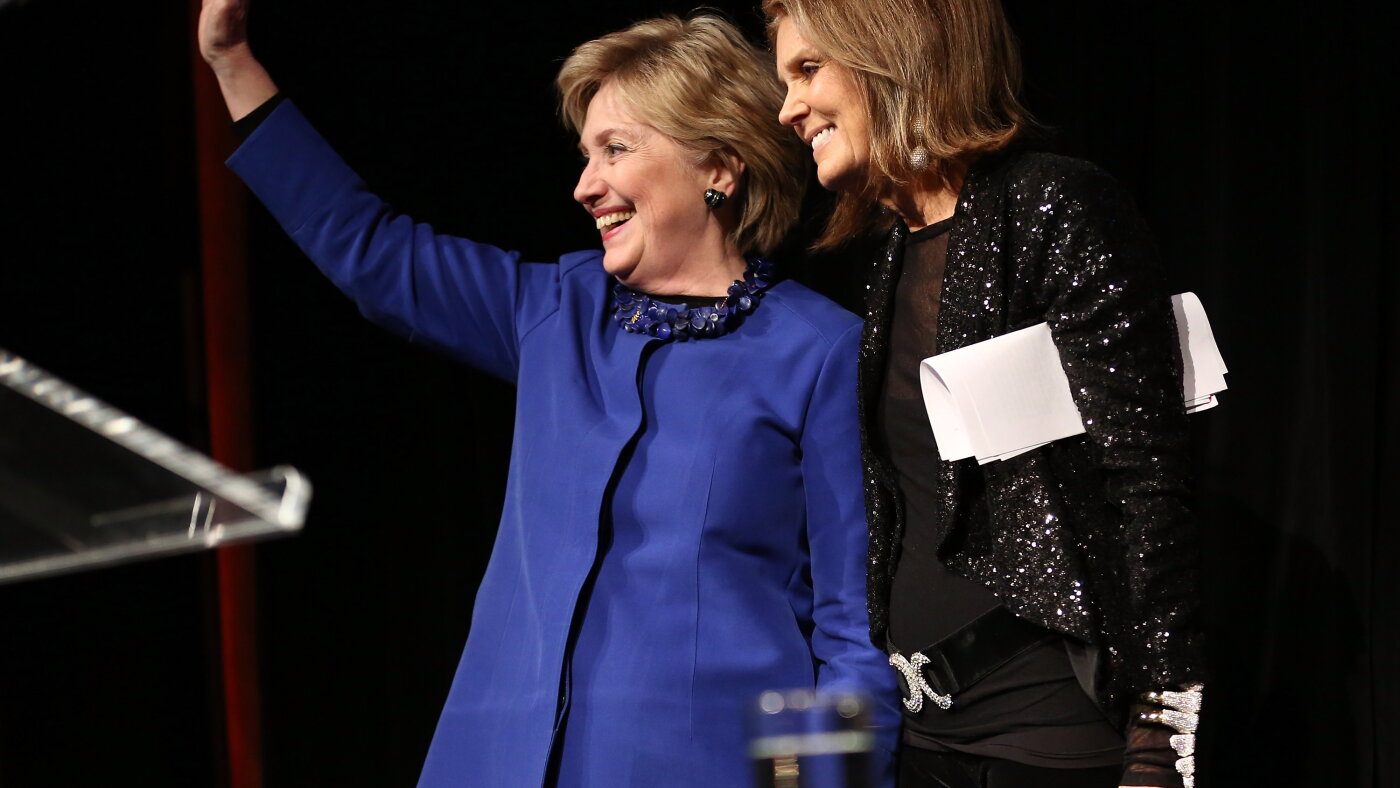
Journalist and activist Gloria Steinem, a central figure in the women’s rights movement, died Wednesday, September 2, 2026, at her home in New York City. She was 92 years old. Following the news of her death, public figures from politics, entertainment, and social activism issued statements regarding her impact and their personal interactions with her.
Steinem gained national prominence in the 1960s and 70s as a leader of second-wave feminism. During this era, she co-founded Ms. magazine and the National Women’s Political Caucus. Her work focused on issues including reproductive rights, workplace equality, and gender-based discrimination. Early career milestones included a 1963 undercover exposé of the New York Playboy Club and her public advocacy for abortion access following her own experience in the 1950s.
Public officials offering tributes included former Vice President Kamala Harris, former Secretary of State Hillary Clinton, and former House Speaker Nancy Pelosi. Clinton described Steinem as "one of the architects of the entire structure of women’s equality." Harris noted Steinem’s support for women running for office, while Pelosi credited her with helping break down barriers once firmly closed to women. Former First Lady Jill Biden issued a statement highlighting Steinem's focus on the freedom to make decisions regarding health and the body.
Figures from the entertainment industry also shared remembrances. Oprah Winfrey stated that the progress Steinem helped create is reflected in women's current ability to demand equal pay and bodily autonomy. Actor Jane Fonda recalled Steinem’s decades of travel to speak at town halls and conferences to build the movement, while Barbra Streisand cited Steinem’s "steely determination" in responding to discrimination. Julianne Moore, who portrayed Steinem in the 2020 biopic "The Glorias," said studying her provided a "template" for behavior.
The death of Gloria Steinem marks the end of a career that influenced the legal and social status of American women. The movement Steinem led contributed to changes in day-to-day rights, such as the ability to obtain credit cards and bank accounts in their own names—rights that were legally restricted when she began her activism. Her advocacy for Title IX also helped open academic and athletic opportunities for students.
The scale of Steinem's impact is further noted by her influence on the representation of women in government. Her work was credited by peers like Hillary Clinton with increasing the number of women in elected office.
For individual citizens, the transition following Steinem's death involves a shift from her direct activism to the stewardship of her legacy. Public figures like Melinda French Gates and Roxane Gay suggested that her legacy would be measured by the continuation of the movement she helped build. No specific dates for public memorials or funeral services were reported in the immediate aftermath of her death.