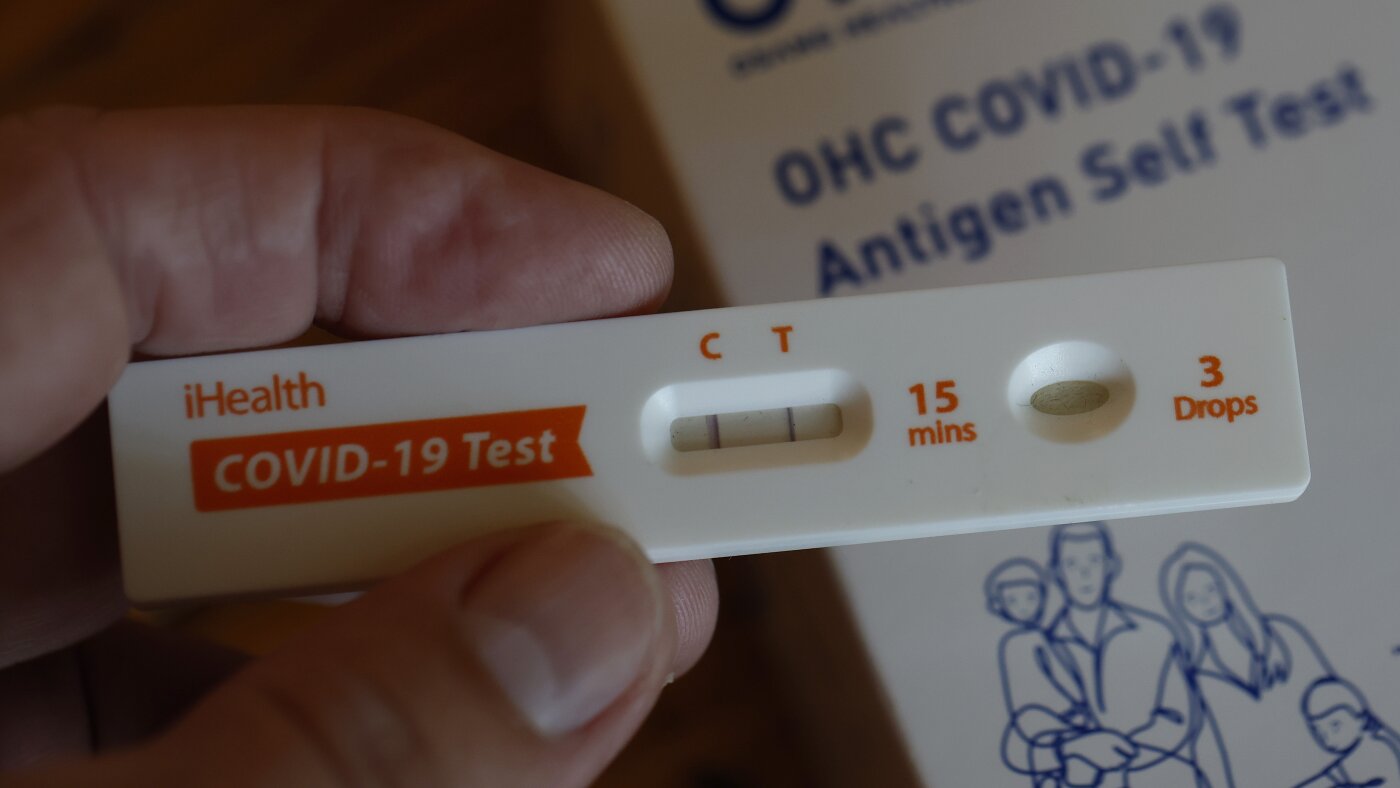
Public health officials reported on August 14, 2026, that the United States is currently experiencing a summer increase in COVID-19 cases. The virus is spreading most actively in the South and West, though infections are also rising in the Northeast and Midwest. According to Dr. John Brooks of Emory University, while the virus is spreading nationally, overall activity remains at low levels compared to previous waves.
The current uptick follows a pattern observed every summer since the start of the pandemic. Medical experts noted that while the flu typically surges only in winter, COVID-19 continues to exhibit two annual spikes in the summer and winter. Dr. Caitlin Rivers, an epidemiologist at Johns Hopkins University, stated that the cause of this biannual seasonality remains unknown to researchers.
Data indicates that the severity of the disease is continuing a downward trend, with fewer hospitalizations and deaths than in previous years. Dr. Brooks attributed this to growing herd immunity resulting from prior infections and vaccinations. However, health officials warned that the virus remains a risk for specific groups, including infants, older adults, and the immunocompromised. A new drug called Xocova has been introduced, which can be taken after exposure to reduce the risk of illness.
The scale of the current vaccination effort is undergoing a significant change due to federal policy shifts. The Centers for Disease Control and Prevention (CDC) has not issued updated vaccine recommendations for the general public this season. This follows litigation regarding the Trump administration's efforts to restructure U.S. immunization programs. The administration no longer recommends that every person aged six months and older receive a routine annual shot, a departure from previous years when universal annual vaccination was the standard guidance.
Despite the lack of updated CDC guidance, major medical societies and insurers are maintaining existing protocols. Insurers have indicated they will continue to cover the cost of the vaccines, which typically range from approximately $100 to $200 for those without coverage, though they remain free for children through the Vaccines for Children program. Health advocates like Clare Hannan of the Association of Immunization Managers warn that conflicting messages from the federal government and medical groups may cause confusion among the public. Updated vaccines matching the currently dominant strains are expected to become available to the public soon.