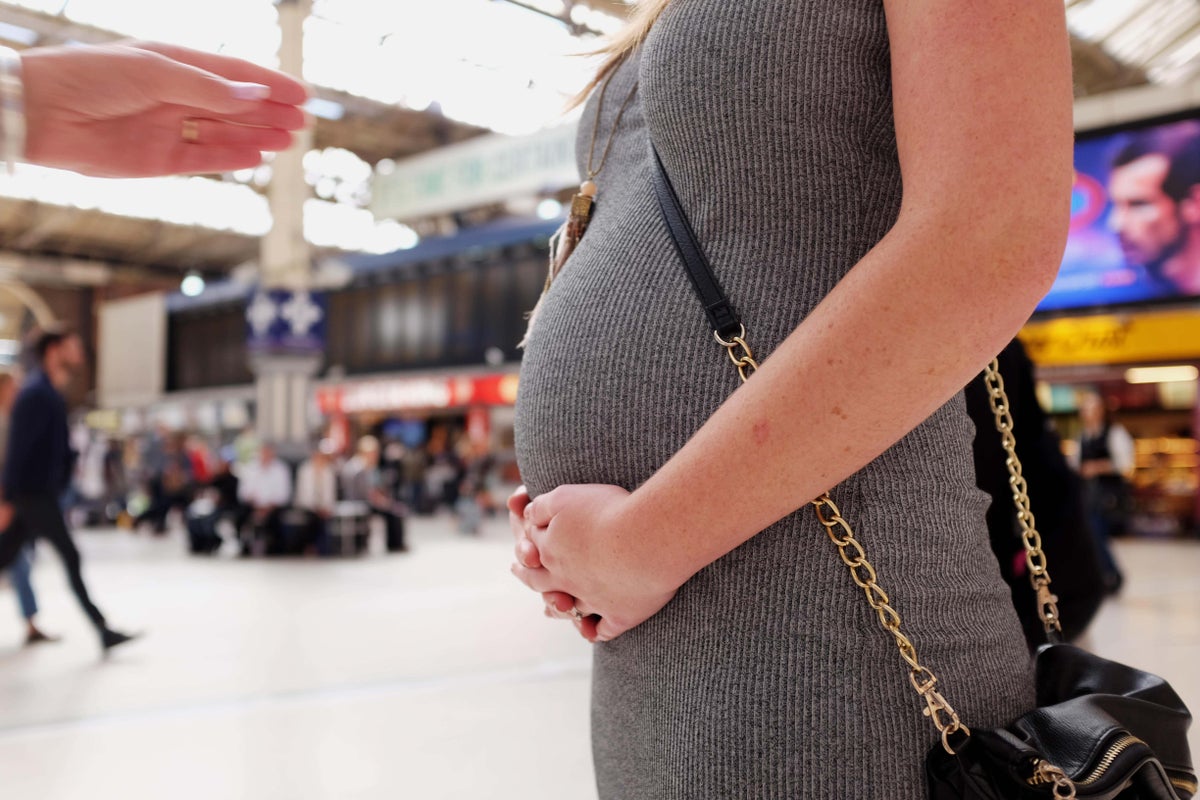
The Children’s Court of Queensland has ruled that twins born to a surrogate mother are not "birth siblings" under state law, allowing the biological parents of each child to maintain legal custody. The ruling addressed a rare case where a surrogate woman became pregnant naturally with her own biological child while also carrying an embryo implanted for another couple.
The legal proceedings followed an "altruistic" surrogacy agreement between two couples, identified in court documents as BNJ and BRJ, and the surrogate couple, DZ and FZ. The arrangement began because BNJ was born without a uterus and was unable to conceive. In April 2025, an embryo belonging to BNJ and BRJ was transferred to DZ via In Vitro Fertilization (IVF).
Following the transfer, medical scans revealed DZ was carrying twins. DNA testing subsequently confirmed that the female infant was the biological child of BNJ and BRJ, while the male infant was the biological child of DZ and her husband, FZ. The court noted that the boy was conceived naturally without medical assistance around the time of the IVF procedure. The infants were born in November 2025 and have been raised separately by their respective biological parents for the last nine months.
For families in Queensland using surrogacy, the ruling provides clarity on how the legal system handles superfetation, a rare occurrence where a second conception happens during an existing pregnancy. The court relied on a report from an independent counsellor who concluded that the separation of these specific twins at birth was unlikely, on the balance of probabilities, to cause psychological harm. The counselor stated that developmental outcomes are more likely to be shaped by the quality of caregiving and family openness rather than the act of separation itself. This shift in legal interpretation focuses on genetic parentage and caregiving quality rather than the shared birth event.
The decision formalizes the current living arrangements and ensures that both children have legal recognition within their biological families. The families have stated to the court that the two children will grow up knowing one another with an "age-appropriate understanding" of their origins. While this specific case has reached a legal resolution, it highlights potential complexities for the IVF industry and surrogacy participants regarding natural conception during treatment cycles. No further court dates or legislative changes were reported following Judge Jodie Wooldridge’s ruling.