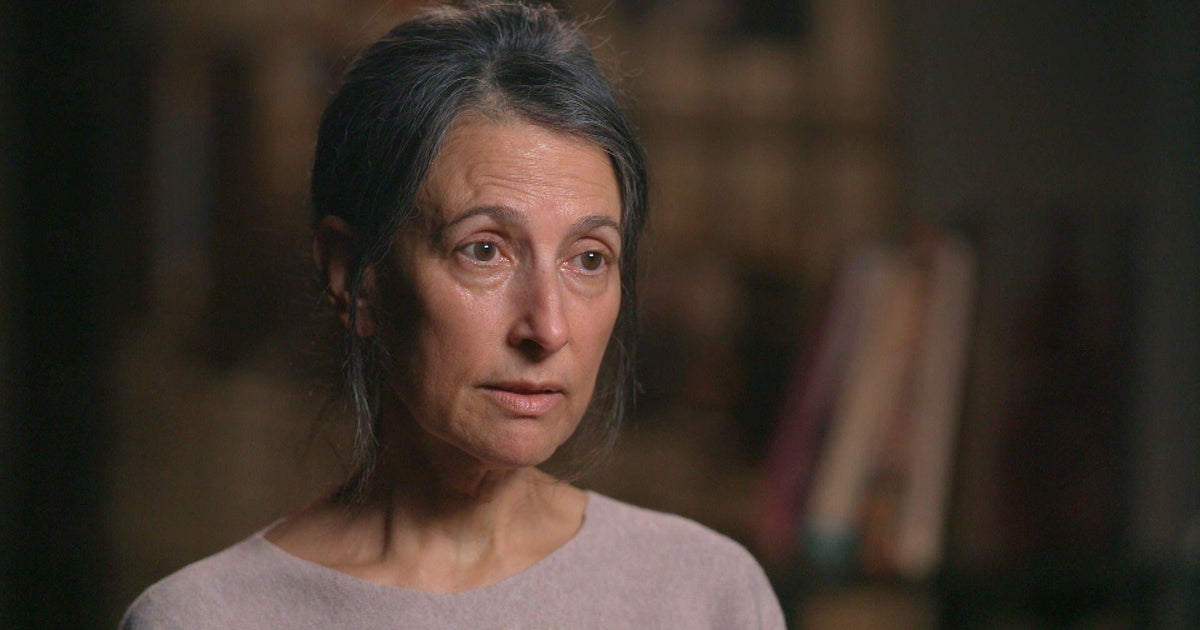
Rachel Goldberg-Polin, an American-Israeli mother whose son Hersh was taken hostage and later killed by Hamas, spoke in an interview regarding her experience with grief and the details of her son’s captivity. Hersh Goldberg-Polin was one of approximately 250 people abducted on October 7, 2023, during an attack on the Nova Music Festival near the Gaza border. After 328 days in captivity, his body was recovered by Israeli soldiers from a tunnel in Rafah on August 31, 2024.
Goldberg-Polin and her husband, Jon, became prominent advocates for the release of hostages following the October 7 attack, which resulted in 378 deaths at the festival site alone. During the months of her son's disappearance, Goldberg-Polin met with world leaders and the Pope, and she wore a piece of tape daily marked with the number of days since the abduction. In April 2026, she released a book titled "When We See You Again" documenting her experiences.
Details regarding Hersh's time in captivity emerged following the February 2025 release of Or Levy, a fellow hostage who spent three days with Hersh in a tunnel. Levy reported that despite losing his left hand to a grenade during the initial attack, Hersh maintained a mantra derived from Viktor Frankl’s "Man’s Search for Meaning": "He who has a why can bear any how." Levy stated that Hersh was aware of his mother's advocacy, having heard her voice on news broadcasts while underground.
For the individuals involved, the impact is a permanent change in their daily legal and personal status, moving from families of the missing to families of the deceased. Goldberg-Polin described the transition from the "excruciating suffering" of knowing a child is being "starved" and "abused" to the realization that those days were the "good part" because her son was still alive. The personal cost is highlighted by the fact that Hersh was shot six times at close range before his body was recovered, a detail that emphasizes the conditions faced by captives during military operations in Rafah.
The knock-on effects of these testimonies influence the ongoing discourse regarding hostage negotiations and military strategy in Gaza. The release of Or Levy and two others in February 2025 provided the first concrete details to the Goldberg-Polin family about their son's final months, establishing a precedent for how survivor testimony is used to provide closure to families of those who did not survive. What happens next depends on the status of any remaining bodies or captives; Goldberg-Polin noted that while all hostages eventually "came home" by January 2026, many, including her son, did not return alive.