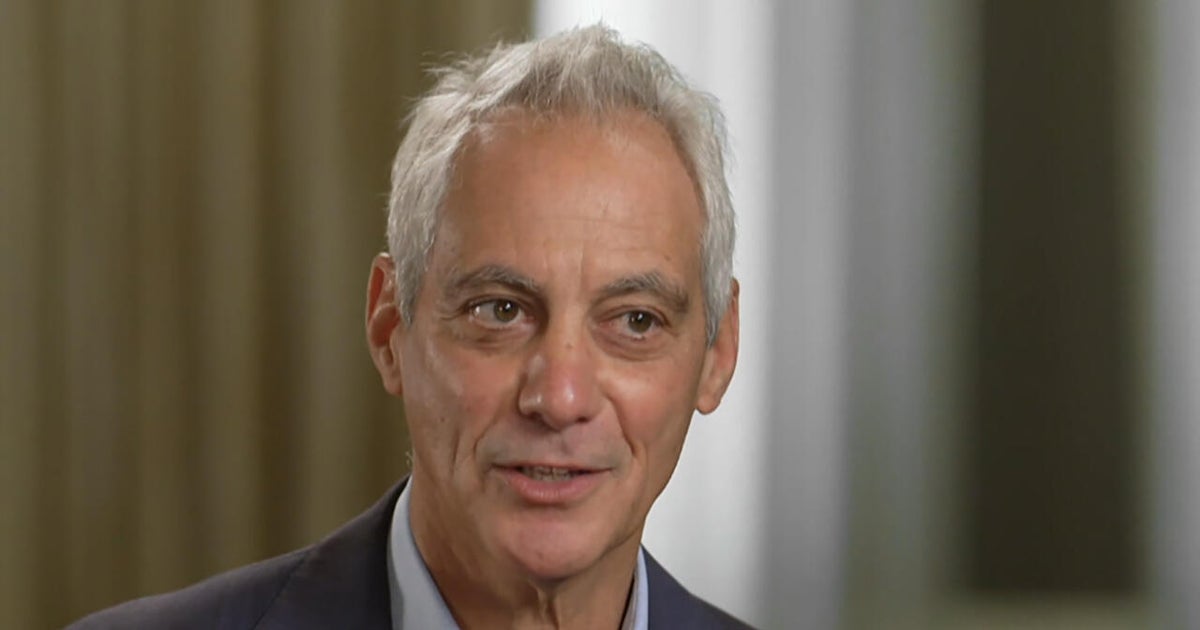
Former Chicago Mayor Rahm Emanuel stated in a series of public remarks and an op-ed that the Democratic Party must prioritize winning centrist voters over catering to its progressive wing to achieve policy goals. Emanuel, who served as White House Chief of Staff under President Barack Obama and most recently as an ambassador, argued that focusing on "midnight blue" districts does not provide the legislative path necessary to raise the minimum wage or enact other party priorities.
The comments follow a period of internal party friction. On July 26, Sen. Bernie Sanders (I-VT) stated on "Face the Nation" that voters were "sick and tired" of establishment figures like Emanuel. In response, Emanuel published an op-ed in the Wall Street Journal titled "How to Lose Friends and Alienate Allies," where he cautioned that progressive activists could negatively impact the outcome of upcoming midterm elections.
Emanuel positioned himself against several progressive platforms, stating he does not support defunding police or open borders. He also criticized the financial conduct of President Donald Trump, alleging corruption related to business deals and government spending. Regarding international policy, Emanuel delivered a speech in Tel Aviv last month calling for a shift in Israel's strategy toward a peace deal that ensures Palestinian dignity and Israeli security, while expressing concern over rising antisemitism and anti-Muslim attitudes in the U.S.
The scale of this conflict is reflected in the electoral strategy Emanuel described, which focuses on "flipping red districts to blue" rather than intensifying the partisan lean of already Democratic areas. While specific dollar amounts for the upcoming midterms were not reported, Emanuel cited economic figures to criticize the current administration, claiming the president has become $4 billion richer while the public has become "$4 trillion poorer." For an individual voter, Emanuel framed the choice as one between policies that lower daily costs, like gas prices he cited at $4.50 a gallon, versus more ideological shifts in capitalism.
A person participating in the political process would notice these shifts in the types of candidates receiving national party support and the specific policy goals prioritized in congressional sessions. The knock-on effects could influence the future of the U.S.-Israel relationship, as Emanuel warned that a lack of a sustainable peace path could risk the bilateral alliance. Emanuel, now 66, has not officially announced a presidential campaign but indicated he intends to remain active in national politics. The next major milestones will be the primary and midterm election dates, where the success of these competing strategies will be tested at the ballot box.