The Plain Record

Neutral daily news — clear headlines, complete facts.

National

Rare Cancer Patients Face Insurance Barriers for Targeted Genomic Treatments

Patients with rare cancers face hurdles in obtaining insurance coverage for targeted drugs that lack specific FDA approval for their tumor type.

Published September 21, 2026 at 5:35 AM EDT

The short answer

Patients with rare cancers face hurdles in obtaining insurance coverage for targeted drugs that lack specific FDA approval for their tumor type. Patients with rare cancers often face difficulties obtaining insurance coverage for targeted therapies that lack specific Food and Drug Administration (FDA) approval for their condition.

Rare Cancer Patients Face Insurance Barriers for Targeted Genomic Treatments

The Facts

Who
Mason Henderson, Tabitha Lowe, neuro-oncologists Jacob Mandel and Jessica Schulte, and PBM Liviniti.
What
Insurance and PBM denials of off-label targeted cancer therapies for rare tumors.
When
January through May
Where
Texas and New York City
Why
Insurers often require FDA-approved labels or established guidelines, which rare cancers lack due to a lack of large-scale clinical trials.

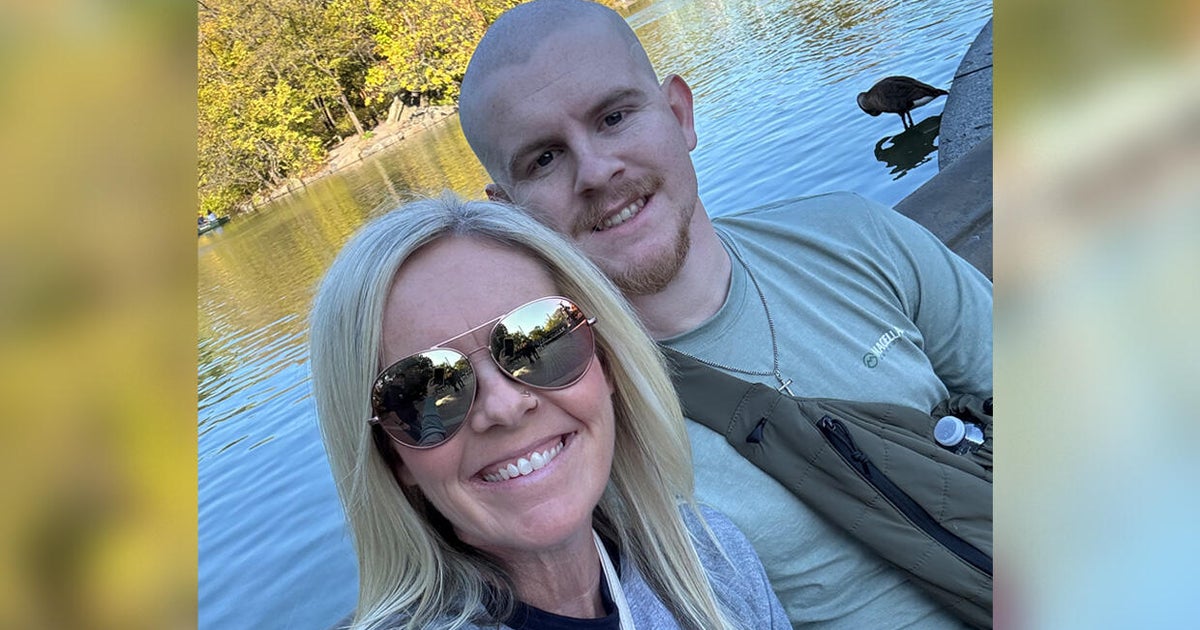
Patients with rare cancers often face difficulties obtaining insurance coverage for targeted therapies that lack specific Food and Drug Administration (FDA) approval for their condition. The issue was highlighted by the case of Mason Henderson, a 21-year-old from Texas who died in May after a months-long effort to secure the drug Lynparza for a rare brain tumor. While Henderson’s physicians justified the off-label use based on genetic mutations in his tumor, his insurance and pharmacy benefit manager (PBM) initially refused to pay, citing a lack of approved guidelines for his specific cancer.

Medical experts state that while genomic testing can identify mutations that may respond to specific drugs, insurance reimbursement protocols frequently require large-scale clinical trials. For rare cancers, which the National Cancer Institute defines as affecting fewer than 40,000 people per year, such trials are often not feasible. According to Olivier Elemento of Weill Cornell Medicine, insurance coverage routinely trails behind the scientific support provided by genomic testing.

In Henderson's case, his neuro-oncologists at Baylor College of Medicine and NYU Langone Health prescribed Lynparza, a drug originally approved for ovarian cancer, after chemotherapy failed to slow a diffuse hemispheric glioma. The pharmacy benefit manager, Liviniti, refused the request on Jan. 30, stating the drug was not approved for the diagnosis. The out-of-pocket cost for the medication was reported at approximately $8,700 per month. Henderson eventually received the drug through a manufacturer assistance program after his mother’s social media campaign, but he died roughly two months later.

The scale of the problem is significant given that there are only about 25,000 primary brain cancer diagnoses in the U.S. annually, compared to hundreds of thousands for breast or lung cancers. Because rare cancers represent smaller markets, pharmaceutical companies may be less inclined to fund the expensive clinical trials required for FDA labels. This creates a cycle where insurers deny coverage based on a lack of FDA-approved labels, despite genomic evidence suggesting a treatment might be effective.

What happens next depends on the evolution of "tissue agnostic" drug approvals and the integration of genomic data into standard medical guidelines. The FDA has approved nine tissue-agnostic drugs as of 2022, which target specific mutations regardless of where the cancer originated. Research programs like the TAPUR study, which has recruited over 3,000 patients since 2016, continue to provide off-label treatments to gather data. If these studies lead to updated expert guidelines, it may create more reliable pathways for insurance reimbursement for rare cancer patients in the future.

Timeline of what happened

Key dates and decisions, in the order they occurred.

  1. 2014

    FDA approves Lynparza for ovarian cancer

  2. 2016

    TAPUR study begins providing off-label treatments

  3. 2021

    WHO names Henderson's rare brain cancer type

  4. 2022

    FDA issues guidance on tissue-agnostic drug development

  5. September 2025

    Scan shows Henderson's cancer spread to spinal cord

  6. January 16, 2026

    Dr. Jacob Mandel prescribes Lynparza for Henderson

  7. January 30, 2026

    Pharmacy benefit manager Liviniti refuses coverage

  8. May 4, 2026

    Mason Henderson dies at age 21

  9. August 26, 2026

    FDA approves drug to extend life for late-stage pancreatic cancer

  10. November 14, 2026

    Scheduled CHOP caregiver support group event

Summaries are written by The Plain Record to state the facts of a story plainly and without political slant. Drafted with AI assistance and checked against the source record before publication. See how we report, or report a correction.

← Back to the front page

Questions readers ask

What happened: Rare Cancer Patients Face Insurance Barriers for Targeted Genomic Treatments?

Insurance and PBM denials of off-label targeted cancer therapies for rare tumors.

Who is involved?

Mason Henderson, Tabitha Lowe, neuro-oncologists Jacob Mandel and Jessica Schulte, and PBM Liviniti.

When did this happen?

January through May

Where did this happen?

Texas and New York City

Why does this matter?

Insurers often require FDA-approved labels or established guidelines, which rare cancers lack due to a lack of large-scale clinical trials.