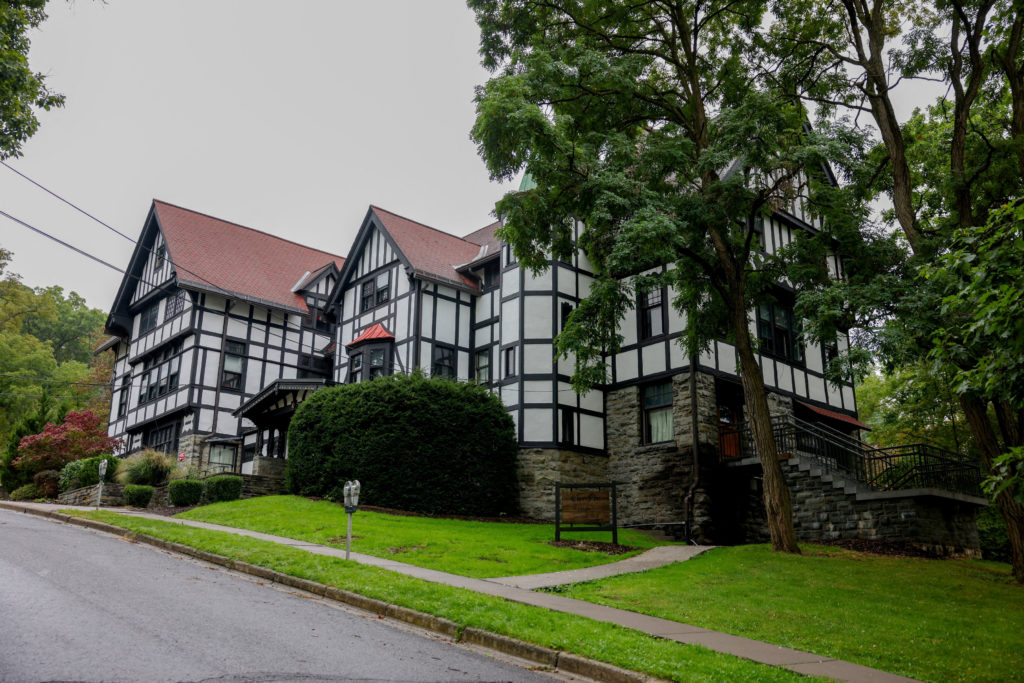
Internal university records reviewed on Friday, October 2, 2026, provided new details regarding an investigation into an alleged gang rape at a Cornell University fraternity house in October 2024. The documents, which include interviews with the complainant and the accused, were filed in court as part of a lawsuit by one of the accused men seeking to overturn his disciplinary punishment. While the university’s internal investigation led to expulsions and suspensions, local prosecutors originally declined to file criminal charges.
The case involves a woman, identified in court papers as Jane Doe, who alleged she was pressured into using ketamine, marijuana, and alcohol before being assaulted by multiple men at the Chi Phi fraternity house. The records indicate that a Cornell disciplinary panel conducted 50 interviews and 12 days of hearings. Following reports that university police provided only a six-page summary of a 120-page interview transcript to the district attorney, New York Governor Kathy Hochul announced on Thursday, October 1, 2026, that she had appointed a special prosecutor to lead a renewed criminal investigation.
According to the disciplinary findings, the woman and several men provided similar accounts of drug use but differed on whether the sexual activity was consensual. One fraternity member sent a Snapchat message at 1:42 a.m. using vulgar language to describe the woman’s availability. The woman told investigators that the ketamine left her in a state of "vague consciousness," describing herself as feeling "like bait." Some of the accused men denied the allegations; one student told investigators he entered the room only for a five-minute "wellness check" and saw the woman covered by bedding.
A person at a university would notice these changes through shifts in Title IX procedures—the federal law governing how schools handle sexual discrimination and assault—and campus police reporting protocols. The scale of the internal investigation involved over 1,100 pages of evidence, including 32 witnesses and 12 days of hearings. The concrete day-to-day impact for the accused includes the potential for academic records to be permanently marked or for expulsions to remain in place, while for the complainant, the impact involves the reopening of a criminal case that had previously been closed without charges.
The knock-on effects include increased scrutiny of New York state laws regarding intoxication and consent, which the Tompkins County District Attorney noted as a factor in the initial decision not to prosecute. This case sets a precedent for state-level intervention in local prosecutions, as seen by the Governor’s appointment of the state Attorney General to take over the case. What happens next depends on the special prosecutor’s review of the full 1,100-page file. The Attorney General’s office has not yet announced specific grand jury dates or new filing deadlines.