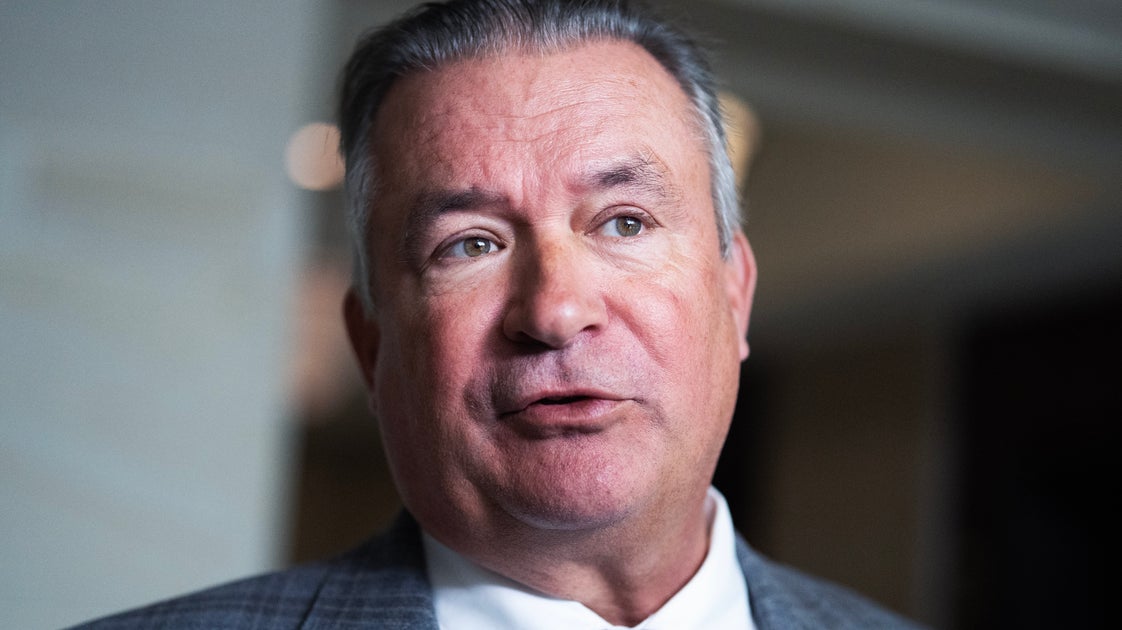
Rep. Don Bacon (R-Neb.) stated on Saturday, October 17, 2026, that President Donald Trump’s legislative agenda is "dead" following the president's decision to suspend sanctions against Russia. Bacon indicated that a group of Republican lawmakers may withhold funding for the administration's priorities during the upcoming lame-duck session of Congress.
The dispute follows President Trump’s Friday, October 16, 2026, executive order to pause a sanctions package that he had signed into law just one month prior. That legislation, named after the late Sen. Lindsey Graham (R-S.C.), was designed to restrict financial resources for Russia's military operations in Ukraine by targeting Russian banks, officials, and oil tankers.
Bacon’s comments specifically referenced the president’s requests for a supplemental spending bill and a reconciliation package, as well as an initiative referred to as "Ballroom." The congressman stated that he and other lawmakers would not support these measures, citing the president's decision to suspend sanctions while Russia continues its invasion of Ukraine.
Other Republican lawmakers have joined in the criticism. Sen. Thom Tillis (R-N.C.) described the reversal as a capitulation to the Russian government, suggesting instead that the administration address energy prices by focusing on conflict with Iran rather than engaging in trade with Russia. Sen. John Cornyn (R-Texas) has reportedly expressed similar views regarding the president's recent actions.
The administration’s shift in policy includes a deal announced the week of October 11, 2026, to purchase millions of metric tons of Russian diesel. The president stated the purchase is intended to lower global fuel prices, which have risen during the U.S. conflict with Iran. The now-suspended sanctions would have also required the president to impose tariffs of up to 100% on the top five importers of Russian oil or natural gas.
The concrete impact for citizens involves both energy costs and foreign policy outcomes. The president’s move to buy Russian diesel is intended to lower fuel prices at the pump, which would affect household budgets and transportation costs for small businesses. However, if Congress blocks the president's broader agenda in retaliation, programs funded through reconciliation or supplemental bills—which often include infrastructure or social spending—could be delayed or canceled. The suspension of the Graham sanctions also removes the 100% tariffs that were set to be placed on major importers of Russian energy, which affects global trade markets and energy pricing structures.
The disagreement sets a precedent for how outgoing lawmakers, such as Bacon and Cornyn, may use their final months in office to challenge executive branch decisions. Their refusal to fund the administration’s priorities could hinder the White House's ability to respond to domestic and international crises until the next Congress is seated. What happens next depends on the lame-duck session, where lawmakers will vote on the supplemental and reconciliation packages. The impact of the diesel purchases on fuel prices is expected to be noticed as the fuel enters the global market, though specific dates for price changes were not reported.