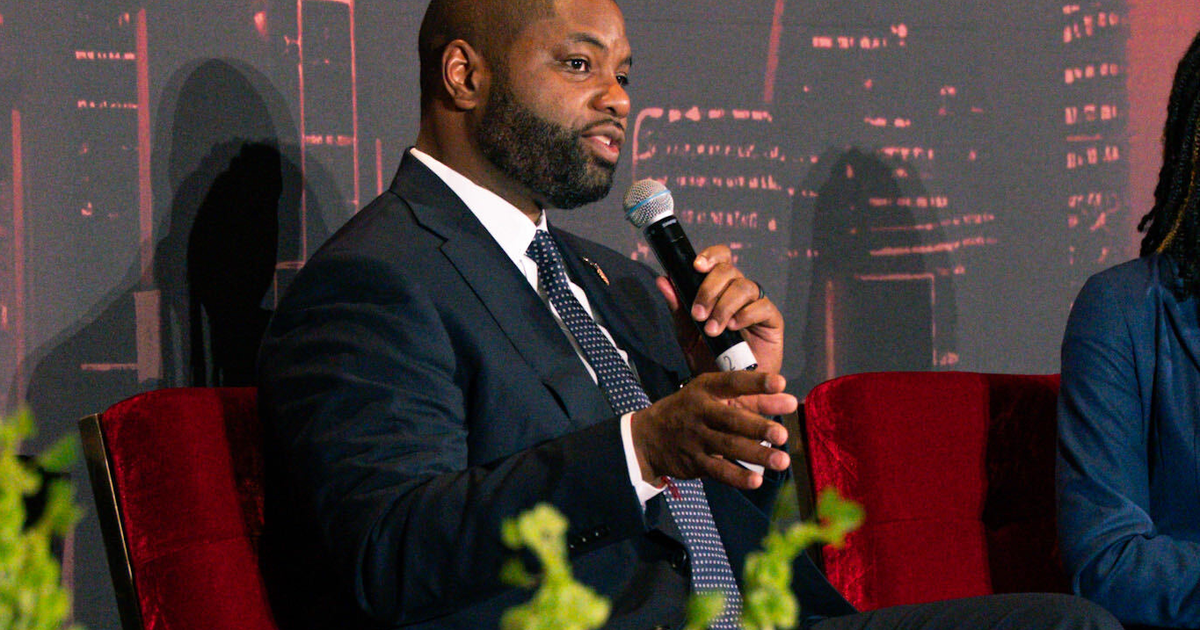
Rep. Byron Donalds (R-FL), the Republican nominee for governor of Florida, is conducting a targeted outreach campaign to Black voters across the Miami area. In a recent interview, Donalds stated his campaign is seeking to win "north of 20%" of the Black vote, a figure higher than the support levels recorded for recent Republican candidates in the state.
The outreach effort follows Donalds' previous work as a surrogate for Donald Trump’s 2024 presidential campaign, where he co-led the "Congress, Cigars & Cognac" tour. During his current campaign, Donalds has participated in events such as the Black Professionals Summit’s Legacy Con on October 3, 2026. If elected, Donalds would become one of the first Black Republican governors in U.S. history and one of only four Black elected governors to serve in the country.
During his appearances, Donalds told attendees that Florida is a "meritocracy" and that voters prioritize a candidate's ability to "get the job done" over their race. While Donalds has emphasized his policy platform, some voters expressed concern regarding his ties to Donald Trump. One voter in Miami Gardens told CBS News that Donalds' association with the former president was a reason for initial reluctance to support the campaign, while a resident in the Overtown neighborhood protested an event, stating Donalds would be on the "wrong side of history."
The scale of this effort involves high-density areas including North Miami, Broward County, Doral, and Hialeah. By aiming for one-fifth of the Black vote, Donalds is attempting to bridge a historical gap; recent polling suggests the race is closer than typical for Florida. The effort involves direct engagement from the candidate, including door-knocking and town-hall style dinners.
The campaign strategy could influence how future Republican candidates in Florida and other states approach minority outreach. Jasmine Burney-Clark of the voting rights group Equal Ground criticized the outreach as "manipulation tactics," noting that Donalds declined to sign a pledge for a Democratic-backed state voting rights bill, which his opponent, David Jolly (D), did sign. With less than a month remaining in the campaign, the effectiveness of this strategy will be determined on election day, which will decide if Donalds becomes one of the first Black Republican elected governors in U.S. history.