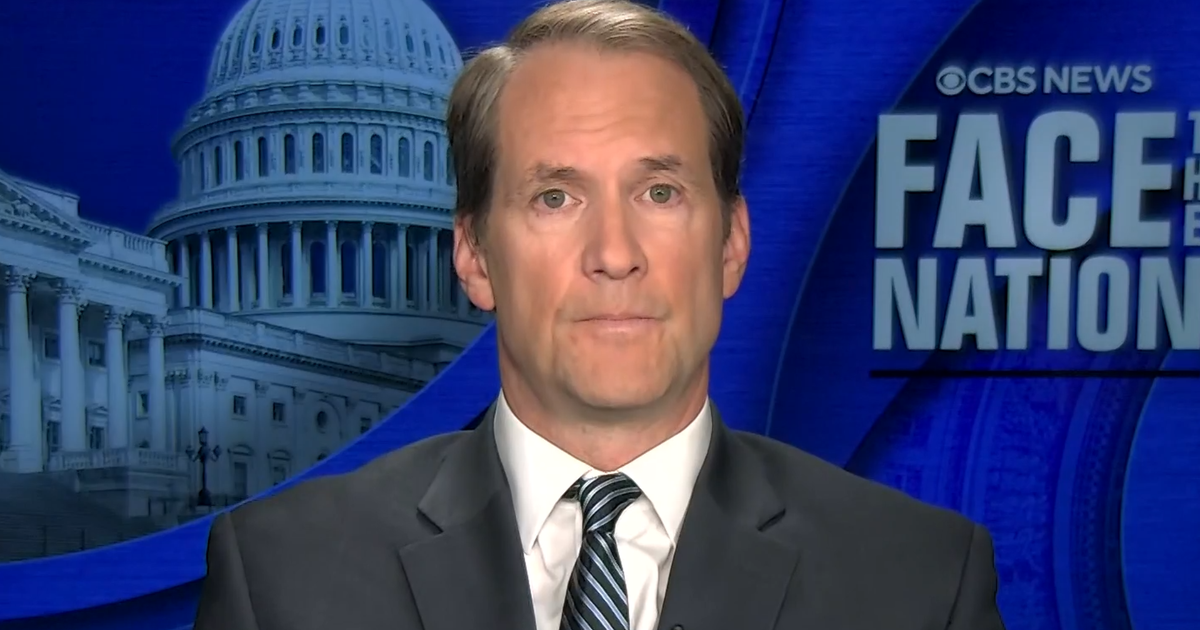
Rep. Jim Himes (D-CT) stated on Sunday, Sept. 27, 2026, that the U.S. intelligence community has found no evidence of foreign adversaries interfering with election infrastructure or vote counting. During an interview on "Face the Nation," Himes, a member of the House Intelligence Committee, confirmed he had received a classified briefing regarding foreign threats ahead of the upcoming midterm elections.
The congressman distinguished between "interference," which involves tampering with voting machinery or tallies, and "influence," which he described as ongoing efforts such as purchasing social media advertisements to oppose candidates. Himes said he released a statement on the intelligence assessment to preempt potential claims that the election results might be corrupted or manipulated.
Himes also addressed the conflict with Iran, noting that while the U.S. has targeted the Iranian navy and aircraft over the past six months, the Iranian regime has sustained the military pressure. He argued that Iran retains leverage over the U.S. elections due to its ability to disrupt shipping in the Strait of Hormuz. Such disruptions, he suggested, could increase oil and diesel prices, which he stated would impact the electoral prospects of candidates like Rep. Mike Lawler (R-NY) and Ashley Hinson.
Regarding U.S.-China relations, Himes commented on a recent meeting between President Trump and Chinese President Xi Jinping. He confirmed the two nations agreed to establish a bilateral communications channel for artificial intelligence incidents. Himes attributed the preparation for this agreement to Scott Bessent, noting the channel was arranged weeks before the visit by President Xi.
For households, the geopolitical tensions discussed by Himes have a connection to energy costs. Himes noted that diesel prices have reached record highs and suggested that activity in the Strait of Hormuz could push oil to $120 a barrel and diesel to $8 a gallon. If these price levels are reached, drivers or business owners would see an increase in the cost of fuel and transported goods, such as fertilizer.
The establishment of an AI communications channel marks a formal protocol for how the world's two largest economies manage potential technological accidents. This sets a precedent for bilateral crisis management in emerging tech, though Himes noted that further significant commitments are unlikely until after the November results. Voters will see the next major developments following the election on Nov. 3, 2026, as international leaders and domestic officials react to the results.