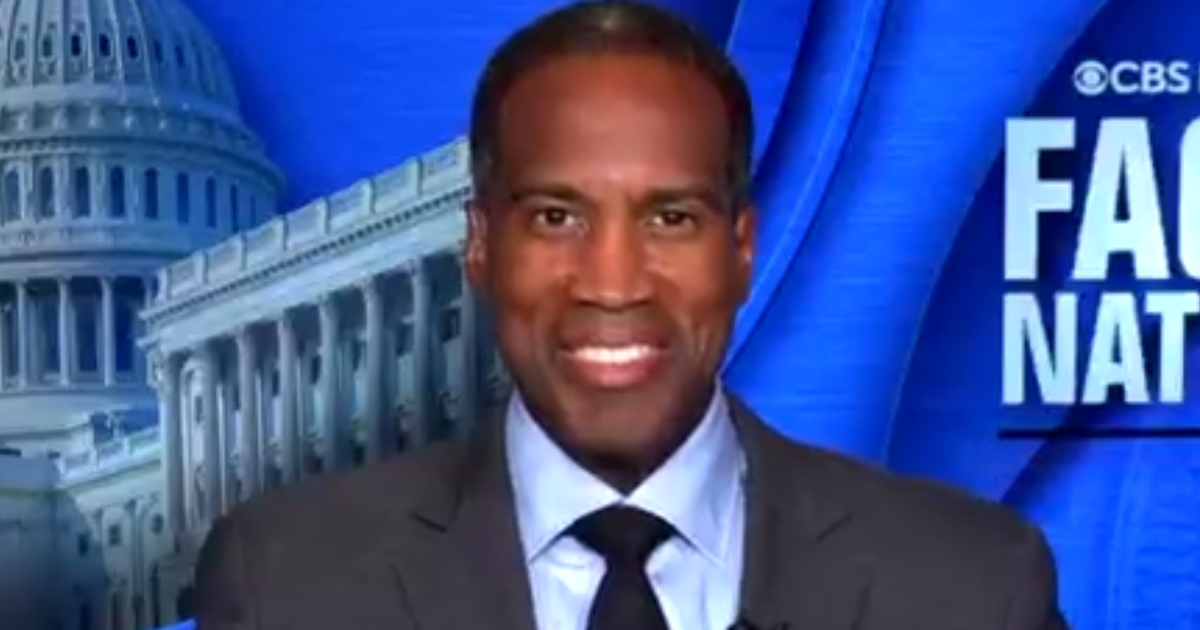
Rep. John James (R-MI), the Republican nominee for governor of Michigan, addressed his stance on international trade, the conflict with Iran, and state-level economic policies during an interview on "Face the Nation" aired Aug. 30, 2026. James called for renewed negotiations between the U.S. and Canada to avert a trade dispute and outlined a platform focused on reducing regulations and energy costs for Michigan residents.
The interview occurred as Michigan prepares for a gubernatorial election involving James and the Democratic ticket of Abdel Al Sayed and Jocelyn Benson. James, an Iraq War veteran, also responded to questions regarding the six-month-old military conflict with Iran and its domestic effects, including rising fuel costs. CBS News cited polling data showing that 61% of Americans disapprove of the ongoing war, which was initially projected to last four to six weeks.
Regarding trade, James expressed concern over a proposal to implement a 50% tariff on Canadian automobiles, trucks, and steel starting Jan. 1, 2027. James, an automotive supplier, stated that while he seeks to protect Michigan’s manufacturing sector, which he reported has lost 300,000 jobs since the 1990s, he is working with trade teams to avoid these tariffs. He urged negotiators to reach a reciprocal deal as Canada plans to implement matching tariffs on Sept. 8.
On state policy, James clarified his position on data center development, advocating for local community control and a moratorium on new centers until a comprehensive plan is established to protect communities. He cited the need to prevent increases in electricity bills and protect against noise and water pollution. James also called for the repeal of Public Act 233 and Public Act 235, which he said centralize control in Lansing and contribute to higher energy and grocery costs through "Green New Deal" initiatives.
For Michigan residents, the outcome of these negotiations and the proposed repeal of state energy laws would be visible in household expenses. James stated that current energy and tax costs in Michigan are the highest among Midwestern states, and he argued that shifting control away from state-level initiatives would lower utility bills and grocery prices. The proposed moratorium on data centers would also affect land-use, as James seeks to prioritize "brownfield" industrial sites over productive green farmland for new technology infrastructure.
The broader implications involve the federal government's shift toward economic sanctions in the six-month war with Iran. The conflict's duration beyond initial expectations has contributed to a 61% national disapproval rating and sustained high gas prices, according to CBS News. The next significant milestones are Sept. 8, 2026, when Canada’s retaliatory tariffs are scheduled to begin, and Jan. 1, 2027, the effective date for the U.S. auto tariffs and the inauguration of Michigan's next governor.