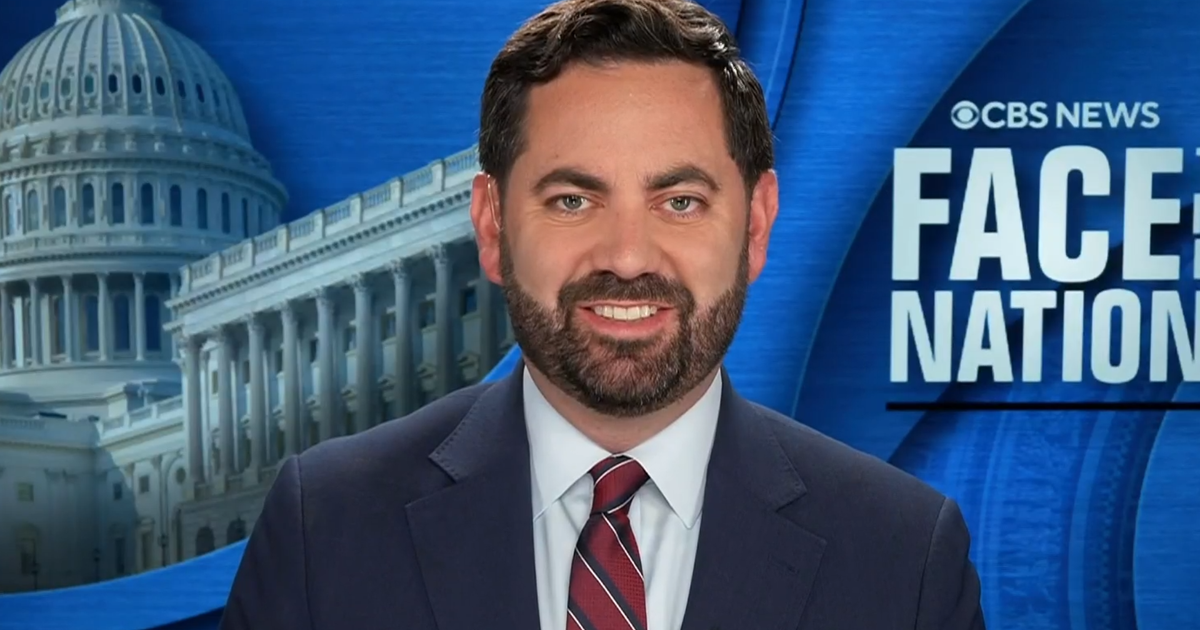
Rep. Mike Lawler (R-NY) discussed his re-election campaign, economic policy, and allegations of election law violations during an interview on Nov. 1, 2026. Lawler, whose seat is a reported target for House Democrats, cited his record on constituent services and bipartisanship as he prepared for the upcoming Tuesday election against opponent Cait Conley.
The interview focused on affordability, with Lawler highlighting his support for a tax cut and a housing bill he described as the largest in 36 years. He attributed recent price volatility to Middle East conflict impacting oil markets, while noting that the third quarter saw 3.4% economic growth and the creation of over a million private-sector jobs in the past year. Lawler also stated he intends to finalize a permitting reform bill before the current Congress ends to increase domestic energy supply.
Regarding healthcare, Lawler stated he would work with Democrats to restore lapsed Affordable Care Act (ACA) subsidies, though he claimed Democratic leaders previously rejected a bipartisan extension. He criticized the current system, noting that health insurance premiums have risen 150% since the ACA took effect. Host Margaret Brennan cited data from KFF suggesting a Republican tax bill could increase the uninsured population in New York by 860,000 through 2034, a figure Lawler disputed.
The conversation turned to campaign ethics and artificial intelligence. Lawler defended himself against allegations from Conley that he was refusing to legislate on AI to protect Elon Musk, whose political action committee has supported Lawler's campaign. Lawler stated he has had no communication with the group and pointed to his sponsorship of the Stop Rogue AI Act. He further alleged that Conley and a separate Democrat-aligned Super PAC, the American Forge Group, have violated Federal Election Commission (FEC) rules.
For Americans using ACA marketplaces, the debate over subsidies impacts monthly health insurance premiums. Lawler’s stated commitment to a bipartisan extension, if successful, would prevent the expiration of tax credits that lower out-of-pocket costs for enrollees. However, the disagreement over the OBBB tax bill's impact highlights projections from KFF that nearly 860,000 people in the state could lose insurance by 2034 depending on which legislative path is taken.
The allegations of FEC violations involving Super PACs were addressed in the interview. Lawler stated that the FBI and the Department of Justice have informed his team they are investigating these claims. Voters in New York will cast their final ballots on Tuesday, Nov. 3, 2026.