The Plain Record

Neutral daily news — clear headlines, complete facts.

On the Hill

Rep. Ro Khanna Addresses President Trump’s Unfulfilled Payment Promises

Rep. Ro Khanna (D-CA) addressed President Trump's unfulfilled payment promises while promoting a tax bill that he said would provide $12,000 to families earning under $150,000.

Background: How a bill becomes law

Published September 16, 2026 at 7:37 AM EDT

The short answer

Rep. Ro Khanna (D-CA) addressed President Trump's unfulfilled payment promises while promoting a tax bill that he said would provide $12,000 to families earning under $150,000.

Rep. Ro Khanna Addresses President Trump’s Unfulfilled Payment Promises

The Facts

Who
Rep. Ro Khanna (D-CA), President Donald Trump, and Sen. Bernie Sanders (I-VT)
What
Rep. Ro Khanna addressed President Trump's repeated promises to issue dividend checks to Americans, noting that none have been delivered and promoting a tax bill.
When
Tuesday, September 15, 2026
Where
Washington, D.C.
Why
The debate involves competing plans to distribute cash to Americans, with one proposal costing over $1 trillion and the other targeting $12,000 to families earning under $150,000.

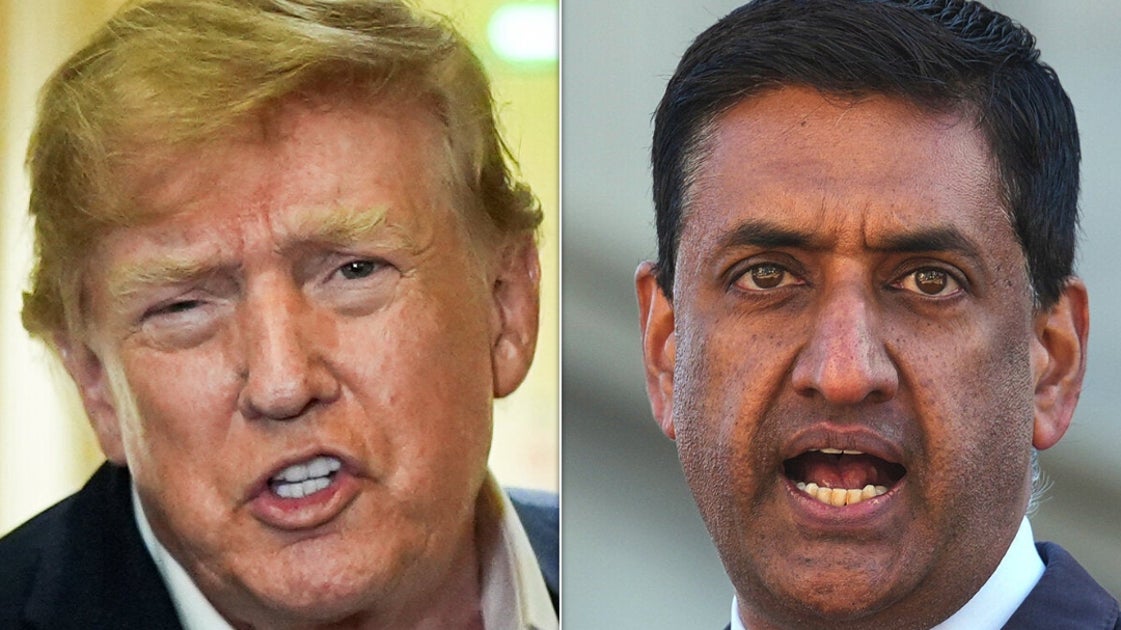
Rep. Ro Khanna (D-CA) stated on Tuesday, Sept. 15, 2026, that President Donald Trump has not fulfilled repeated promises to provide direct payments to Americans. Speaking to a reporter outside the Capitol, Khanna referenced a legislative proposal he co-authored with Sen. Bernie Sanders (I-VT) as a way for the president to distribute funds to families.

The exchange follows several instances during President Trump’s second term where he has proposed issuing "dividend" checks to the public. These proposals include payments derived from savings identified by the Department of Government Efficiency (DOGE), an entity tasked with cutting federal jobs. Most recently, the president stated he would provide $5,000 to every American adult if Republicans win the upcoming midterm elections.

Khanna asserted that Trump has promised such checks 15 times without any being delivered. He promoted the "Tax the Billionaires" bill, which he said would provide $12,000 to families earning under $150,000. While the president has suggested he could issue these checks unilaterally, House Speaker Mike Johnson stated that any such payments would require approval from Congress.

A person would notice these changes as direct deposits or checks. However, the implementation of such payments would require shifts in federal spending or tax policy. Critics cited in the report characterized the president's $5,000 offer as a voter bribe, while the cost of the program would add more than $1 trillion to the federal ledger.

The next steps for these proposals depend on the outcome of the midterm elections and congressional action. President Trump has tied his $5,000 payment to a Republican victory in the midterms. Meanwhile, the "Tax the Billionaires" bill remains a legislative proposal that would require a vote in both the House and Senate to become law. Specific dates for votes on either the payments or the tax legislation have not been reported.

Timeline of what happened

Key dates and decisions, in the order they occurred.

  1. September 9, 2026

    President Trump promises $5,000 payments if Republicans win midterms

  2. September 15, 2026

    Rep. Ro Khanna addresses reporter regarding dividend checks

Summaries are written by The Plain Record to state the facts of a story plainly and without political slant. Drafted with AI assistance and checked against the source record before publication. See how we report, or report a correction.

← Back to the front page

Questions readers ask

What happened: Rep. Ro Khanna Addresses President Trump’s Unfulfilled Payment Promises?

Rep. Ro Khanna addressed President Trump's repeated promises to issue dividend checks to Americans, noting that none have been delivered and promoting a tax bill.

Who is involved?

Rep. Ro Khanna (D-CA), President Donald Trump, and Sen. Bernie Sanders (I-VT)

When did this happen?

Tuesday, September 15, 2026

Where did this happen?

Washington, D.C.

Why does this matter?

The debate involves competing plans to distribute cash to Americans, with one proposal costing over $1 trillion and the other targeting $12,000 to families earning under $150,000.