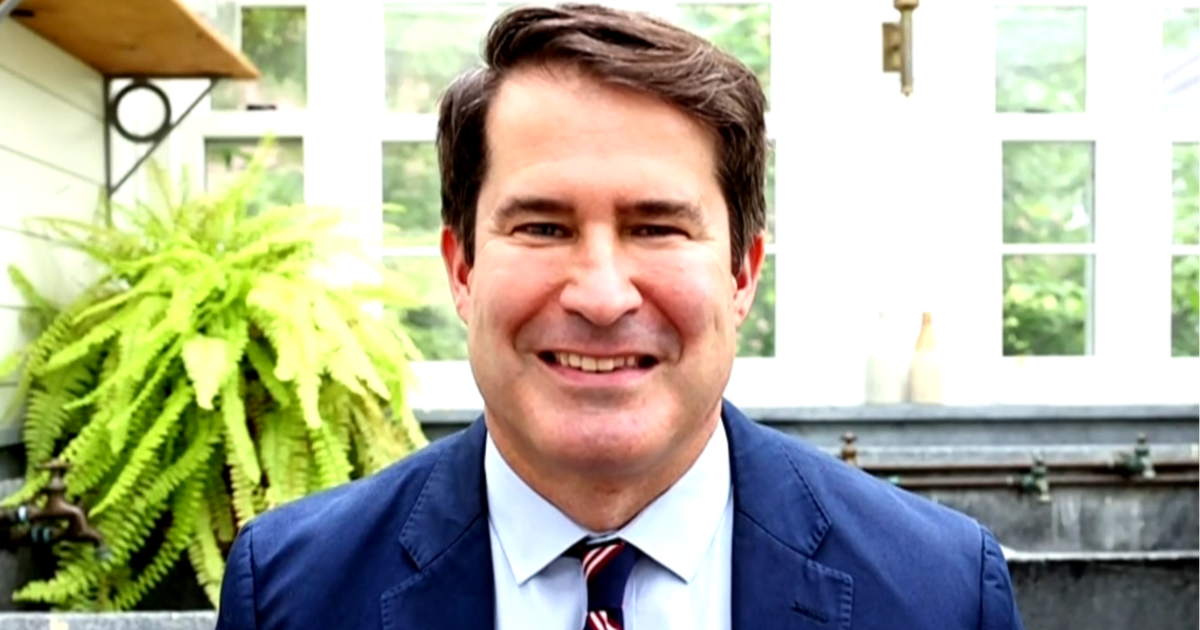
Rep. Seth Moulton (D-MA) advocated for a shift in Democratic Party leadership during an interview on Aug. 23, 2026, as he campaigns to unseat Sen. Ed Markey (D-MA) in a Massachusetts primary. Moulton, who has previously called for generational change within the party, stated that the current leadership no longer reflects the needs of a changing world, specifically citing recent debates regarding technology and artificial intelligence.
The primary challenge follows a series of instances where Moulton has disagreed with established party figures. He previously sought to replace Nancy Pelosi in leadership roles in 2016 and 2018, and in 2024, he was among the first members of Congress to suggest that then-President Biden should not seek reelection. During the interview, Moulton noted that the Boston Globe endorsed his candidacy after supporting Markey in 2020, citing a need for a new perspective in the Senate.
Moulton criticized Markey for accepting $62,000 from a victory fund managed by Senate Leader Chuck Schumer (D-NY), money Moulton claimed was intended to flip Republican-held seats in states like Maine, Ohio, and Alaska. He further announced that he would not vote for Schumer to remain Senate leader if elected. Markey, who has served in Washington for 50 years, currently holds endorsements from figures such as Sen. Bernie Sanders (I-VT) and Rep. Alexandria Ocasio-Cortez (D-NY).
The shift in financial resources is a central point of the dispute, as $62,000 was moved from a national fund intended for competitive "red-to-blue" races to support an incumbent in a safe Democratic seat. For voters and donors, this highlights a tension between preserving veteran leadership and investing in new candidates to gain a Senate majority. Moulton stated his own organization, Serve America, has raised millions to support Democrats in flipping 24 seats, suggesting that party resources should be prioritized for expansion rather than internal defense.
A victory for Moulton would represent a departure from the party's current hierarchy and could influence future leadership votes for the Senate Democratic caucus. For Massachusetts residents, the choice involves differing views on how to handle modern challenges like artificial intelligence and immigration reform. The primary election is scheduled for Sept. 1, which will finalize the Democratic nominee for the general election. Regardless of the winner, the contest reflects an ongoing debate within the party regarding the timing and necessity of a generational transition in power.