The Plain Record

Neutral daily news — clear headlines, complete facts.

On the Hill

Rep. Stevens Endorses GOP Senate Candidate; SCOTUS to Hear Religious Liberty Case

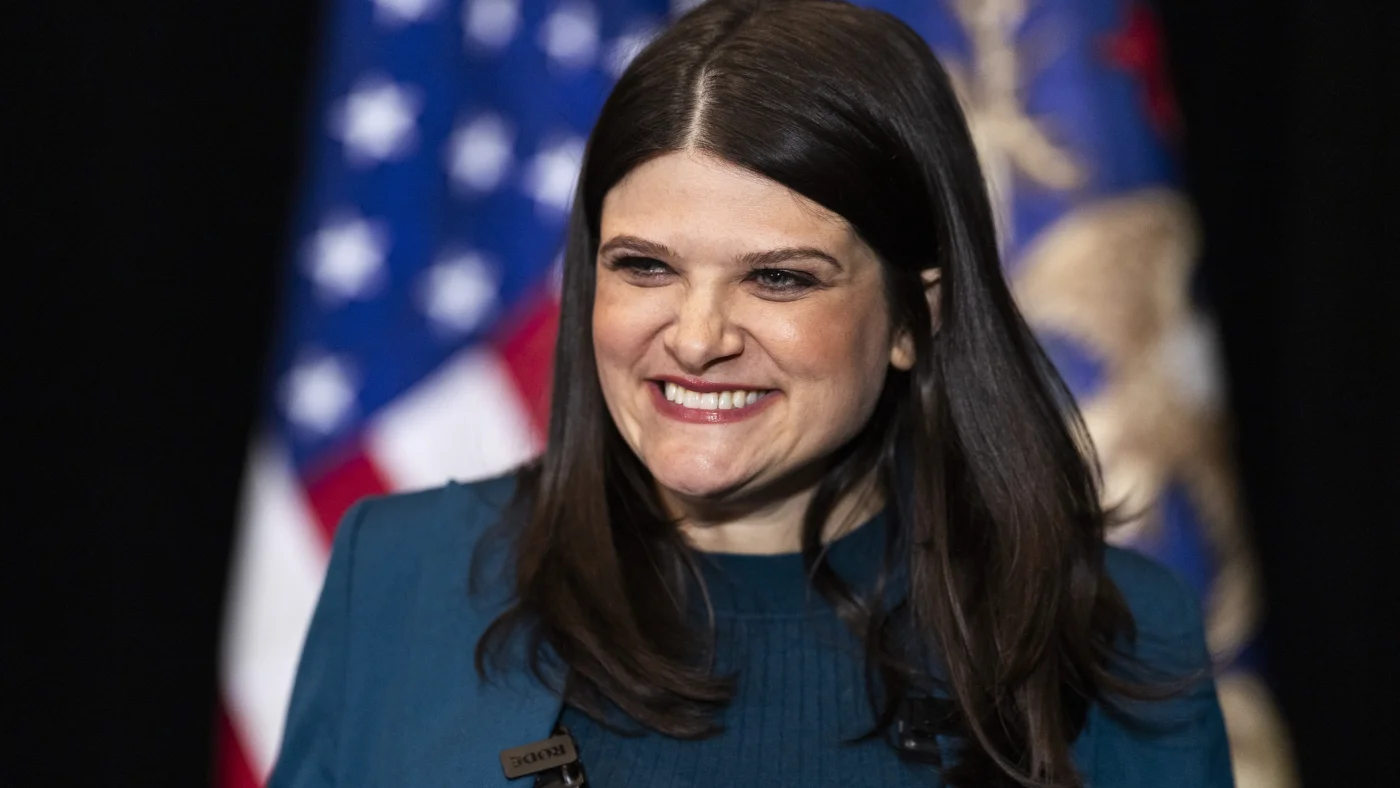
Rep. Haley Stevens (D-MI) endorsed Republican Mike Rogers for Senate, while the Supreme Court prepares to hear a case on Colorado's universal pre-K program.

Background: How the Supreme Court takes a case

By The Plain RecordUpdated November 2, 2026 at 1:20 PM EST
Published November 1, 2026 at 7:00 PM EST

The short answer

Rep. Haley Stevens (D-MI) endorsed Republican Mike Rogers for Senate, while the Supreme Court prepares to hear a case on Colorado's universal pre-K program. Rep. Haley Stevens (D-MI) endorsed Republican Mike Rogers for Michigan’s open Senate seat on Sunday, November 1, 2026.

Updates (1)

  • Update — November 2, 2026 at 1:20 PM EST: The Archdiocese of Denver and Catholic preschools said they were unlawfully excluded from Colorado's universal preschool program over their refusal to admit students from LGBTQ families.
Rep. Stevens Endorses GOP Senate Candidate; SCOTUS to Hear Religious Liberty Case

The Facts

Who
Rep. Haley Stevens (D-MI), Mike Rogers (R-MI), Abdul El-Sayed, and the U.S. Supreme Court
What
A Democratic Representative endorsed a Republican Senate candidate, and the Supreme Court is hearing a case on religious school funding.
When
Sunday, November 1 and Tuesday, November 3, 2026
Where
Michigan, Colorado, and Washington, D.C.
Why
The endorsement signals a split in the Michigan Democratic Party before the midterms, and the Supreme Court case will decide the reach of religious exemptions in taxpayer-funded programs.

Rep. Haley Stevens (D-MI) endorsed Republican Mike Rogers for Michigan’s open Senate seat on Sunday, November 1, 2026. The announcement occurred less than 48 hours before the midterm elections following a period of tension between Stevens and the Democratic nominee, Abdul El-Sayed. Following the endorsement, Stevens’ chief of staff and several other staff members resigned, and the Michigan Democratic Party chair stated that Stevens is no longer a member of the party.

In her endorsement, Stevens cited El-Sayed's association with political streamer Hasan Piker, whose comments regarding Jewish people and Israel drew criticism in August. Stevens stated that El-Sayed had not done enough to address the concerns of Black and Jewish voters who supported her in the primary. El-Sayed has sought to distance himself from the controversy, and many Democrats have responded by rallying behind his candidacy.

In separate federal news, the U.S. Supreme Court is scheduled to hear oral arguments on Tuesday, November 3, 2026, in the case of St. Mary Catholic Parish v. Roy. The dispute centers on whether Colorado can exclude Catholic schools from its universal pre-K program for refusing to enroll children from families that do not follow church teachings on marriage and gender. The Trump administration has filed a brief in support of the Catholic plaintiffs, while Colorado officials argue that participating schools must comply with state nondiscrimination laws to receive public funding.

Internationally, Gulf states are monitoring reports of a potential U.S. attack on Iran following the midterms. Qatar has led negotiations with Iran over the last 72 hours to prevent an escalation of fighting. Iran has proposed a two-day plan to halt attacks on ships in the Strait of Hormuz and resume talks, contingent on the U.S. response. President Trump stated the U.S. has neutralized most of Iran's military but retains additional targets.

The outcome of the Michigan Senate race will influence the balance of power in Congress, where Republicans are attempting to maintain or expand their majority. Voters will notice the immediate impact of these political shifts at the polls on Tuesday, November 3, 2026. Simultaneously, the regional tension in the Middle East has concrete economic consequences for American households; oil companies ExxonMobil, Shell, and Chevron reported $36 billion in quarterly profits as the conflict drives up global gasoline and diesel prices.

In the legal system, the Supreme Court's decision will determine if states can require religious schools to adhere to LGBTQ nondiscrimination rules as a condition for receiving subsidies. While a date for the final ruling has not been announced, oral arguments on November 3 will clarify the justices' positions. In the technology sector, the FBI recently concluded that North Korean hackers stole $6 billion from the Binance cryptocurrency exchange, highlighting ongoing risks to digital financial assets. Further developments regarding U.S. military action in Iran are expected following the conclusion of the midterm elections.

Timeline of what happened

Key dates and decisions, in the order they occurred.

  1. November 3, 2020

    Colorado voters approve universal preschool program

  2. August 1, 2023

    Archdiocese of Denver files lawsuit against Colorado officials

  3. October 31, 2026

    FBI concludes North Korea stole $6 billion from Binance

  4. November 1, 2026

    Rep. Haley Stevens (D-MI) endorses Mike Rogers (R-MI) for Senate

  5. November 3, 2026

    Midterm Election Day and Supreme Court oral arguments scheduled

Summaries are written by The Plain Record to state the facts of a story plainly and without political slant. Drafted with AI assistance and checked against the source record before publication. See how we report, or report a correction.

← Back to the front page

Questions readers ask

What happened: Rep. Stevens Endorses GOP Senate Candidate; SCOTUS to Hear Religious Liberty Case?

A Democratic Representative endorsed a Republican Senate candidate, and the Supreme Court is hearing a case on religious school funding.

Who is involved?

Rep. Haley Stevens (D-MI), Mike Rogers (R-MI), Abdul El-Sayed, and the U.S. Supreme Court

When did this happen?

Sunday, November 1 and Tuesday, November 3, 2026

Where did this happen?

Michigan, Colorado, and Washington, D.C.

Why does this matter?

The endorsement signals a split in the Michigan Democratic Party before the midterms, and the Supreme Court case will decide the reach of religious exemptions in taxpayer-funded programs.