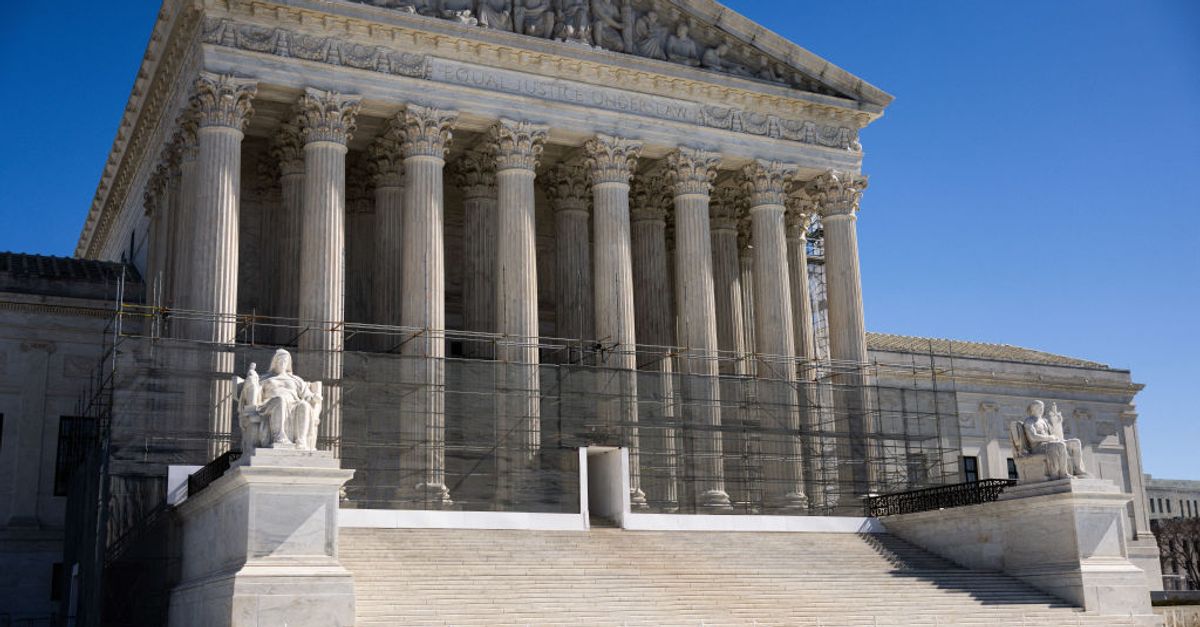
A new statistical report released on Tuesday, October 13, 2026, details the U.S. Supreme Court’s activity regarding applications for interim relief during the 2025-26 term. The data covers court actions taken between October 6, 2025, and October 4, 2026.
The report, titled the "Interim Relief Docket Stat Pack," was compiled by Dr. Taraleigh Davis, an Assistant Professor of Public Law and American Politics at Bradley University. This is the second annual statistical portrait produced by Davis to track how the court handles emergency applications and requests for immediate action outside of its regular merits docket.
The report includes a numerical breakdown of the court's decisions on these applications, which are often used by parties seeking to stay lower court rulings or obtain emergency injunctions while a case proceeds. The source text notes that the pack provides a statistical overview of the court's behavior and highlights specific findings from the term, though the specific numbers for individual cases were not detailed in the summary document.
A person affected by these rulings might notice an immediate change in the enforcement of a state law, the availability of a government benefit, or the status of a regulatory requirement. Because interim relief is granted or denied before a full briefing, these decisions provide the earliest indication of how the court may view a particular legal issue. The concrete change is often experienced as a sudden shift in legal status that occurs months or years before a final judgment is reached in the court system.
The knock-on effects of these interim decisions are felt by lower courts, which must adhere to the Supreme Court's emergency orders, and by legislative bodies that may need to adjust policies based on the court's actions. These rulings set short-term precedents that influence how similar emergency requests are handled across the federal judiciary. Following the release of this term's data on October 13, 2026, the court began its 2026-27 term, with oral arguments for new cases commencing the morning of the report's publication.