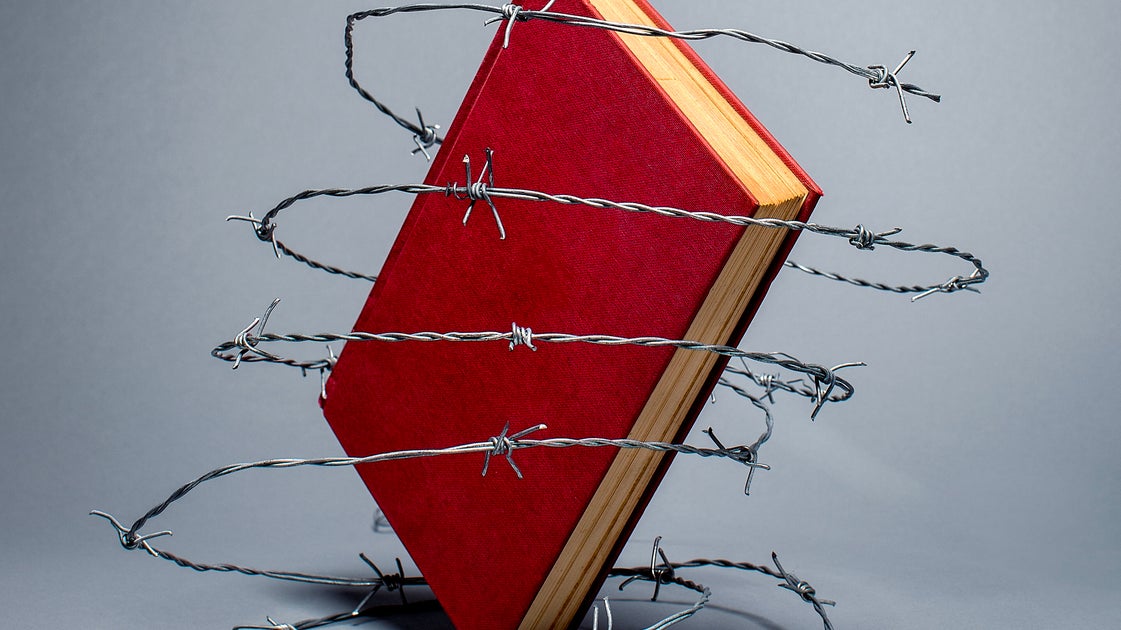
A report from the nonprofit group PEN America found that book bans in U.S. school districts reached a record high during the 2025–26 school year. The organization documented 11,982 instances of book bans nationwide, which it identified as the highest single-year total ever recorded. The report noted that 7,370 unique titles were affected, including 4,500 books that had not appeared in previous years' indexes.
Texas and Florida recorded the highest number of bans among all states. In Texas, 8,193 bans were documented across multiple school districts, which the report attributed to state legislation such as Senate Bill 13, a law that increased the authority of local school boards over library collections. Florida recorded 3,212 bans, which the report linked to state-level pressure campaigns and enforcement from the state's Department of Education and attorney general.
PEN America reported that the widening scope of these removals may be partially due to the use of artificial intelligence by school districts to flag books based on titles challenged elsewhere. The bans affected the work of more than 4,000 authors, illustrators, and translators. Titles frequently targeted include those addressing racial diversity and LGBTQ+ identity.
Students in affected districts will notice changes in their school library catalogs, as books dealing with complex topics are removed from circulation. In Texas, the implementation of Senate Bill 13 changed the day-to-day operations of school libraries by shifting control of collections to local boards. Librarians, such as F. Fallon Farokhi in California and Melanie LeJeune in Louisiana, stated that these books often serve as tools for students to navigate real-world challenges. According to library professionals, titles such as "The Perks of Being a Wallflower" and "The Kite Runner" provide students with support for navigating issues like mental health, social divides, and personal trauma.
The trend has knock-on effects for the publishing industry and the use of technology in education, as school districts increasingly rely on AI to automate the flagging of content. While some parents and lawmakers cite the need for parental control over content, librarians like Sherry Scheline argue that silencing stories of pain does not address underlying issues such as sexual violence.