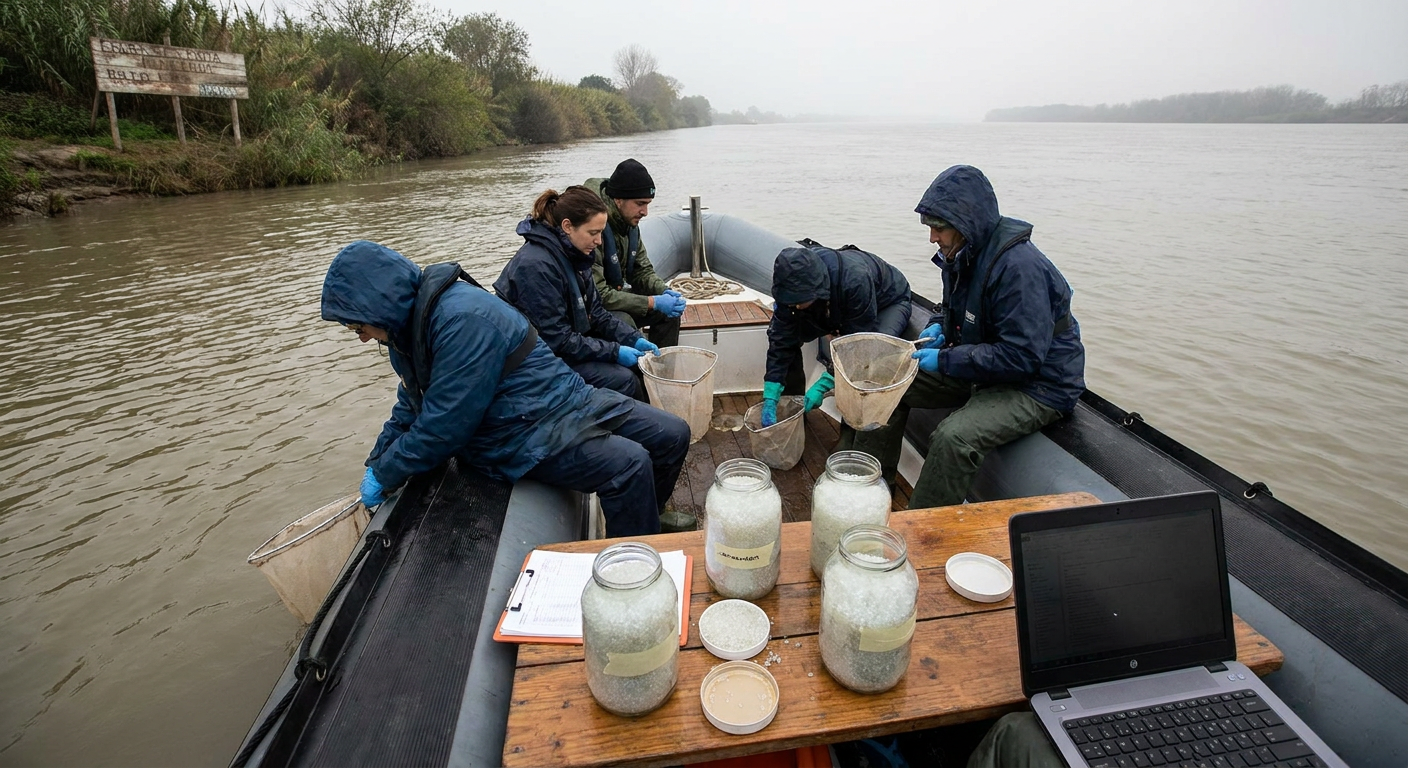
A new report released by Waterkeeper Alliance and partner organizations on June 23, 2026, documented the discovery of nearly 1.1 million plastic pellets in waterways across six countries. These results, stemming from the second-annual International Plastic Pellet Count conducted throughout May 2026, represent a total almost 22 times higher than the amount reported in the previous year's count.
Plastic pellets, commonly referred to as nurdles, serve as the raw material for plastic manufacturing. These small beads are melted and molded into various consumer goods such as bags and bottles. The report states that these materials often enter the environment through spills during transport, manufacturing accidents, or through permitted industrial discharges into local waterways.
The 2026 survey involved more than 1,000 volunteers who monitored 249 sites across 31 U.S. states, the District of Columbia, and five other nations. Participants utilized standardized 10-minute interval protocols to collect and log data into an online database managed by Nurdle Patrol. The highest concentrations were found near industrial zones, specifically the Victoria Barge Canal in Texas, where more than one million pellets were recorded near a production facility.
International findings included 6,485 pellets recorded by Port Phillip Baykeeper in Australia, the highest total outside of the United States. In addition to data collection, several groups involved in the count are pursuing legal remedies. San Diego Coastkeeper reached a settlement earlier this year regarding spills from trains, while San Antonio Bay Estuarine Waterkeeper in Texas and Congaree Riverkeeper in South Carolina maintain active litigation against plastics manufacturers.
The day-to-day impact involves potential risks to public health and local ecosystems. These pellets can absorb toxic substances such as mercury, DDT, and PCBs. When wildlife, including fish and turtles, consume these pellets, the chemicals can bioaccumulate, potentially affecting the safety of local food chains and the health of the surrounding environment. Residents in affected areas may see these materials on beaches or in riverbanks, where they persist as a form of microplastic pollution.
The knock-on effects extend to the legal and regulatory landscape for plastic manufacturers and transportation companies. The findings are currently being used as evidence in active lawsuits and have already influenced settlement agreements, such as the one in San Diego that changed how nurdles are handled on coastal railways. This sets a precedent for using citizen-science data to enforce industrial discharge standards. Moving forward, the results from this May 2026 count will likely inform ongoing litigation in Texas and South Carolina, where court decisions or future settlements could mandate changes to industrial waste management and transport protocols.