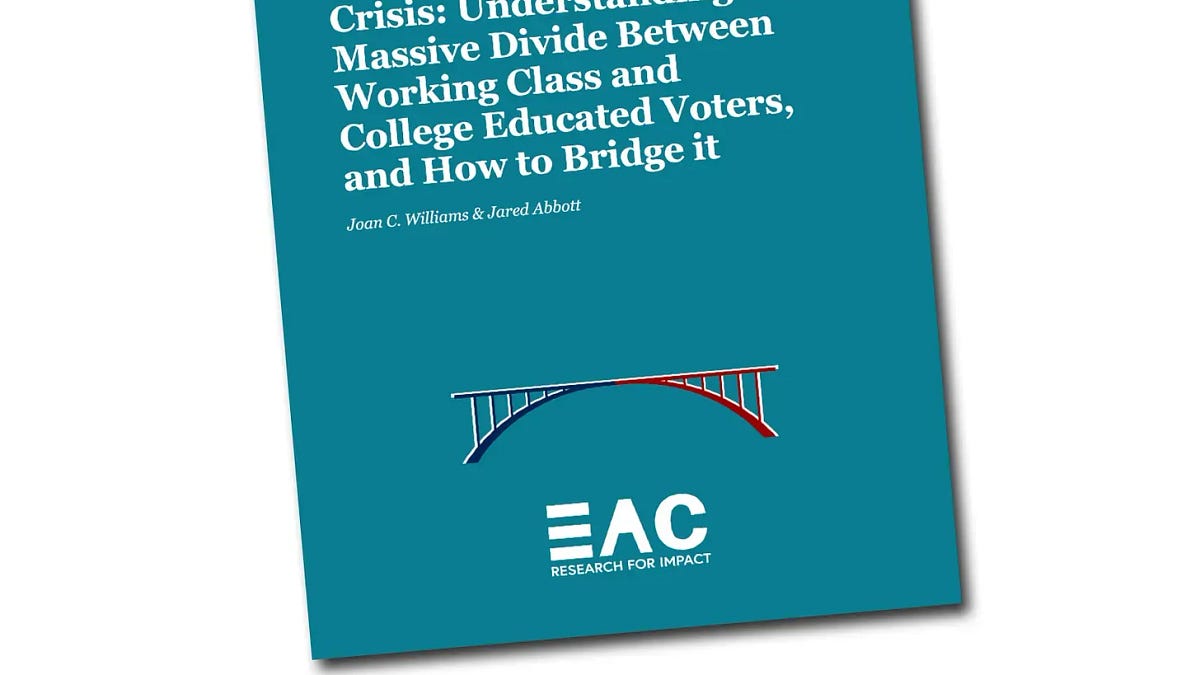
A new report published July 29, 2026, by the Center for Working-Class Politics (CWCP) identifies a significant divide between the policy priorities of college-educated liberals and working-class voters. Researchers Jared Abbott and Joan Williams conducted a survey of nearly 5,800 Americans to analyze how different socioeconomic groups view social, economic, and environmental issues. The findings suggest that Democratic-leaning college graduates often prioritize social justice and climate change, while working-class voters—defined as non-college educated workers with household incomes between $40,000 and $100,000—are more focused on inflation, job availability, and public safety.
The report concludes that many college-educated liberals reside in "class bubbles" that insulate them from the differing views held by those in different economic tiers. According to Abbott and Williams, this disconnect creates obstacles for progressive political movements attempting to build a broad base of support. The data indicates that while working-class voters often support the general intent of certain progressive policies, their level of support varies significantly based on how those policies are framed and prioritized relative to economic stability.
In specific policy areas, the survey found that working-class support for a path to citizenship for immigrants rose from 48% to 70% when the proposal emphasized long-term residency, employment, and tax contributions. Regarding public safety, 82% of working-class respondents supported a plan to increase police presence in high-crime areas while simultaneously enforcing strict accountability for officer misconduct. On climate policy, support increased from 59% to 76% when the focus shifted toward lowering energy costs and creating industrial jobs rather than environmental protection alone.
For the working-class demographic, the scale of this divide is reflected in how they perceive landmark legislation like the Inflation Reduction Act. The survey notes that only 25% of working-class respondents believe the act—which includes significant climate and healthcare spending—helped their personal finances or the broader economy. This suggests that unless future policy results in a tangible increase in take-home pay or a decrease in daily costs, this segment of the electorate may remain skeptical of large-scale federal spending programs. The report indicates that a $1,000 difference in annual tax credits or a 10% shift in local energy costs matters more to these voters than the ideological framing of the legislation.
As the 2026 midterm elections approach, the knock-on effects of these findings could alter the legislative landscape in swing states like Michigan and Wisconsin. Candidates may change their platforms to balance social justice objectives with "hard work" and "physical security" values to avoid alienating either side of the coalition. This sets a precedent for how political parties handle internal ideological friction. The next steps include upcoming primary elections in late 2026, where the effectiveness of these adjusted messaging strategies will be tested at the ballot box. Voters will likely see these changes reflected in campaign advertisements and debate priorities starting in the fall of 2026.