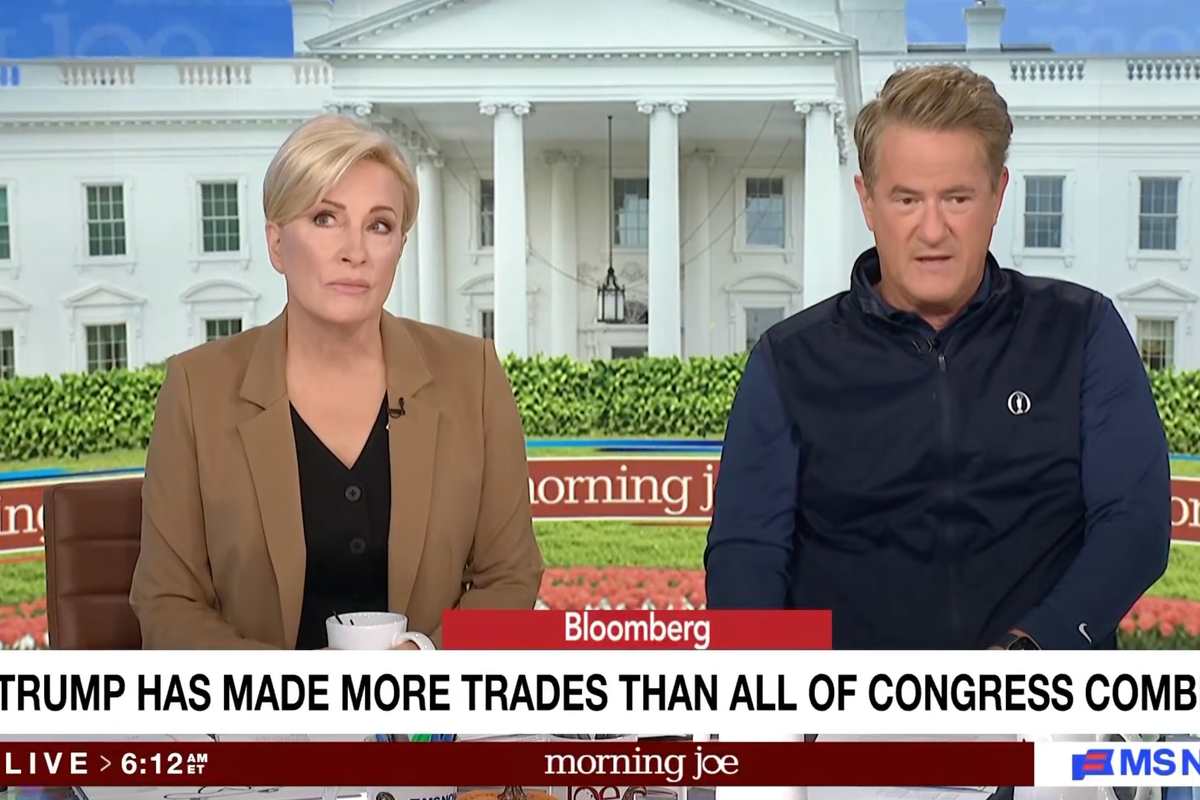
A report released on Tuesday, September 15, 2026, indicates that President Donald Trump or his money managers executed approximately 28,700 stock trades between his January 2025 inauguration and June 2026. According to Bloomberg, this total exceeds the roughly 22,000 transactions disclosed by all 535 members of Congress during the same period. Panelists on the program Morning Joe discussed the data on Wednesday, September 16, 2026, noting the frequency of the trades and their relation to the president's past criticisms of congressional stock trading.
The report follows a period where President Trump has expressed support for a ban on stock trading by members of Congress. Earlier this summer, House Republicans passed a measure to implement such a ban, though the legislation does not apply to the president. During the broadcast, panelists noted that the president’s activity averaged nearly 60 trades per day since taking office. White House spokesperson Davis Ingle stated that the president’s portfolio is independently managed by third-party financial institutions through computer-based model portfolios.
Financial disclosure reports released earlier this summer showed revenue from President Trump’s personal ventures and businesses increased from $622 million in 2024 to $2.2 billion in 2025. Much of this increase was attributed to cryptocurrency-related businesses. President Trump told reporters in July that he does not personally manage his fortune, stating that he does not speak to the advisers who handle the accounts. He attributed his profits to a rising stock market.
The reported 28,700 trades represent a volume that is higher than the combined transactions of the members of Congress over the period. The president's reported revenue increase from $622 million to $2.2 billion in one year comes during a period where Americans are struggling with costs for rent, groceries, and fuel.
While members of Congress may soon notice changes to their ability to manage personal wealth due to the House-passed ban, the president remains exempt from these specific new restrictions. The question remains whether discretionary accounts managed by third-party algorithms address concerns regarding political figures profiting while in office.
What happens next involves the political landscape heading into the midterm elections, where candidates may be asked to address the disparity between executive and legislative trading rules. While the House has passed a trading ban for its members, its final status in the Senate or as signed law remains dependent on further legislative action. The impact of these figures on voter sentiment regarding government corruption remains a subject of ongoing analysis following a June Gallup survey that found most Americans believe the government is corrupt.