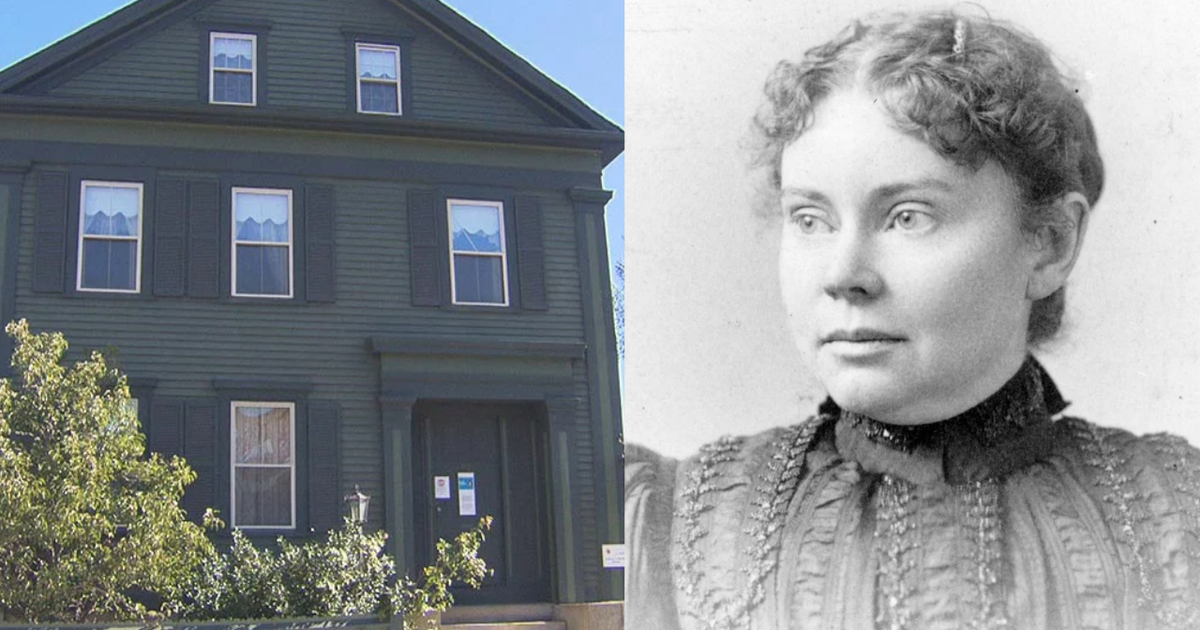
A team of producers and a reporter from the television program "48 Hours" stayed overnight at the Lizzie Borden House and Museum in Fall River, Massachusetts, during the summer of 2019. The team conducted the visit to evaluate the physical layout of the home where Andrew and Abby Borden were killed on August 4, 1892. The property, which is now a bed and breakfast, is the site of a murder case that remains a mystery to this day.
The 1892 investigation identified Andrew’s 32-year-old daughter, Lizzie Borden, as the primary suspect. Prosecutors at the time noted she was home during the midday attacks and had a strained relationship with her stepmother, Abby. Investigators believed the killer was someone who knew the couple, given the violence of the acts. Although a hatchet was recovered from the basement and believed to be the weapon, an all-male jury acquitted Lizzie Borden in 1893 after deliberating for a little more than an hour following a two-week trial.
During the 2019 visit, the reporting team examined the house to test Lizzie Borden’s claims that she did not hear the attacks. The reporter noted that the 180-year-old green-frame house features thin walls and floors, with the dining room—where Lizzie said she had been—located directly beneath the bedroom where Abby Borden was killed. The visit also highlighted questions regarding the lack of blood evidence found on the suspect's clothing, despite the brutality of the crimes.
Forensic limitations of the late 19th century played a role in the original case. The "48 Hours" report noted that while there was testimony suggesting Lizzie Borden may have destroyed a dress, no blood spatter was found on her at the time the murders were reported. Modern forensic methods, such as the ability to recover minute traces of blood, were not available to investigators in 1892. Additionally, the report suggested that the social status of the defendant as an affluent, educated woman influenced the 1893 jury’s perception of her capability to commit the acts.
The case of Lizzie Borden remains a fixture in American legal and cultural history. The acquittal of a primary suspect despite evidence serves as a case study regarding how social status and gender roles influenced the justice system in the late 19th century. The 1893 jury consisted of 12 men who, according to the report, found it difficult to believe an affluent, educated woman was capable of such acts.
The scale of the case's impact is reflected in its longevity, remaining a subject of public interest for more than a century. The story has been adapted into numerous books, films, and a nursery rhyme, and it continues to generate activity through the preservation of the Borden home as a museum and bed and breakfast. For visitors and researchers, the physical preservation of the site allows for the testing of historical testimonies against the actual dimensions and acoustics of the crime scene, such as the thinness of the floors between the first and second stories.
The ongoing relevance of the Borden murders is currently highlighted by the premiere of a new anthology series on Netflix titled "Monster: The Lizzie Borden Story." This production, along with the continued operation of the Lizzie Borden House and Museum, ensures that the details of the August 4, 1892, events remain in the public consciousness. While some facts of the case—such as the number of wounds and the type of weapon used—have been clarified, the mystery of how the crimes were committed without leaving physical evidence on the suspect continues to prompt re-examinations. Currently, the Lizzie Borden House remains open to the public for tours and overnight stays.