An investigation by CBS News and a report released on August 21, 2026, by House Judiciary Committee Democrats describe a specialized lobbying industry where intermediaries charge fees to help individuals secure presidential pardons. The findings suggest that a significant portion of recent clemency actions bypassed the traditional Department of Justice (DOJ) vetting process in favor of direct appeals to the White House through politically connected brokers.
The U.S. Constitution grants the president plenary power to pardon or commute federal sentences. Traditionally, applicants submit a form to the DOJ’s Office of the Pardon Attorney, which reviews petitions before making recommendations. However, the House Judiciary Committee report states that the current administration has sidelined this process, noting that approximately 70% of President Donald Trump’s second-term clemency actions—and 92% when including January 6 defendants—did not go through the DOJ.
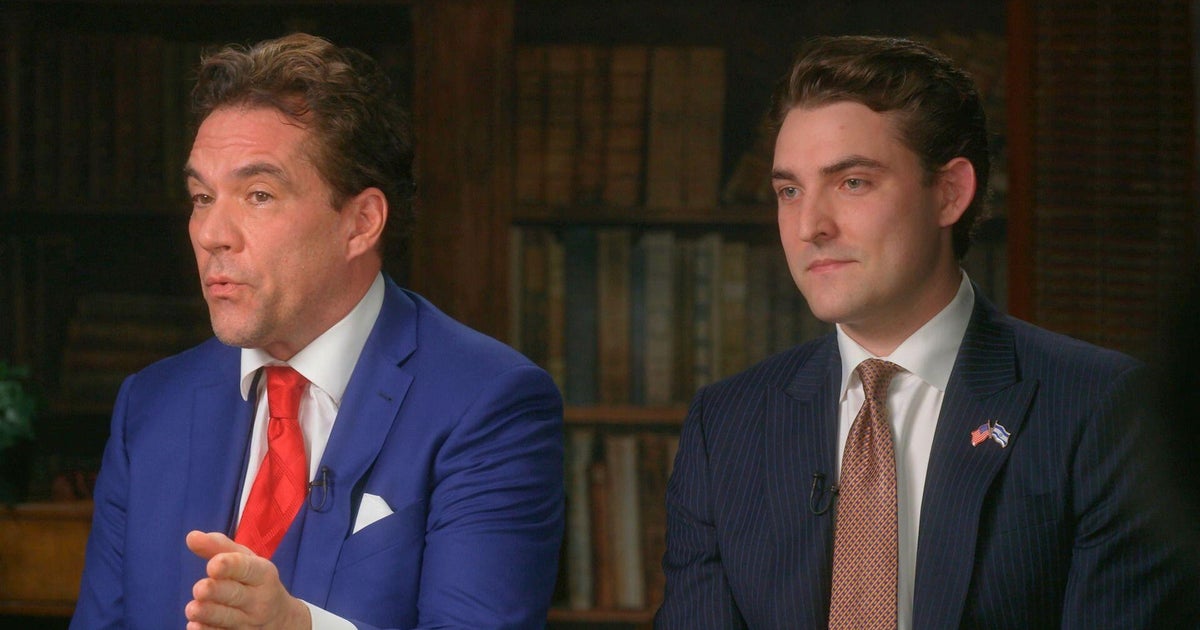
Undercover footage and documents show brokers charging fees ranging from $300,000 to $3 million. Lobbyists Jack Burkman and Jacob Wohl were recorded telling a prospective client that success requires putting "pressure on the president from all directions" to "force his hand." The House report identified 290 "influencers" who advocated for clemency 624 times. While Ed Martin, who ran the DOJ’s pardon office until early August 2026, described such brokers as "snake oil salesmen," the White House stated that anyone paying for pardon lobbying is "foolishly wasting their money" and defended the president's actions as ethically sound.
The House report highlights cases where pardons followed financial activity. Trevor Milton received a pardon after he and his wife donated more than $1.8 million to committees supporting Trump, while nursing-home executive Joseph Schwartz reportedly paid nearly $1.1 million in lobbying fees before his pardon. In another instance, Binance founder Changpeng Zhao was pardoned after his company established financial ties to a Trump family cryptocurrency venture, though both parties denied the business deal was connected to the legal relief.
The House report states that Trump’s pardons have erased nearly $1.7 billion in restitution, fines, and forfeitures that were owed to victims and taxpayers. For victims of fraud, this means a loss of court-ordered repayment, while the federal Crime Victims Fund loses out on unpaid fines. For some individuals seeking pardons, the process involves high-stakes contracts; for example, rapper Boosie Badazz reported paying $600,000 upfront for a pardon he never received and is suing his brokers.
The report describes a system where executive mercy is linked to political access and financial contributions rather than standard DOJ metrics. It notes the role of firms like Mo Strategies and individuals like Burkman and Wohl. Future developments depend on the 14,000 pending applications at the DOJ. No specific court dates or votes were reported in the sources to address these findings.