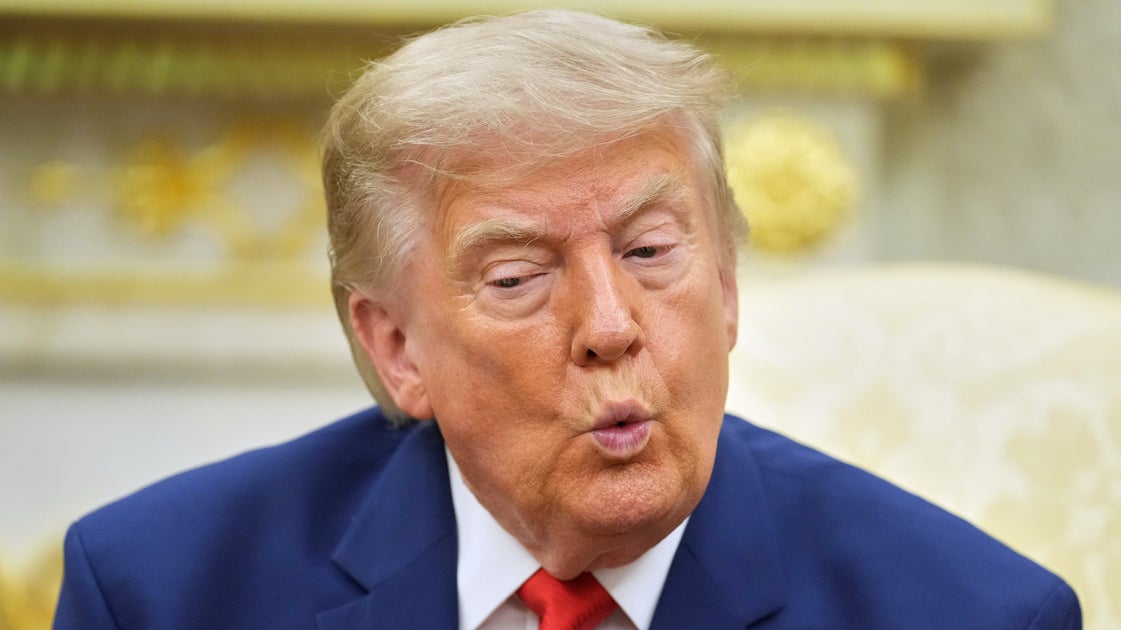
Reports surfaced on September 14, 2026, indicating that the White House's temporary ban on The Associated Press (AP) in early 2025 was linked to a dispute over photography rights. The New York Times reported that White House aides connected the restrictions to the news agency's refusal to grant the Trump administration rights to a specific photograph taken after the July 2024 assassination attempt in Butler, Pennsylvania.
The restrictions occurred during the early weeks of Donald Trump’s second term. At the time of the ban in February 2025, the White House stated the measures were taken because the AP would not adopt the name "Gulf of America" for the Gulf of Mexico. The AP stated it would continue using the original name while acknowledging the new designation.
According to the report by Maggie Haberman and Jim Rutenberg, White House aides discussed the connection between the ban and the photo rights during a private lunch with Trump and television network anchors in 2025. The photograph in question depicted a bloodied Trump with a raised fist following the Pennsylvania rally shooting. The Trump campaign had used the image during the 2024 election cycle.
The ban resulted in AP reporters being barred from several White House events in February 2025. These events included a question-and-answer session featuring Trump and Elon Musk, who at the time led the Department of Government Efficiency, a body tasked with reducing federal government spending. Following the restrictions, a federal judge ruled that the ban violated the First Amendment of the U.S. Constitution.
For the public and journalists, the concrete day-to-day change during the ban was the absence of AP's reporting from specific White House events. Because the AP serves as a wire service for newspapers and broadcasters, this meant that many smaller outlets lost access to direct accounts of meetings between the President and figures like Elon Musk. Readers would have noticed the lack of AP-bylined coverage or photos from these sessions in February 2025, potentially shifting their primary source of information to other media organizations.
The knock-on effects of this dispute involve the legal precedent regarding press access and the renaming of geographic features. A federal judge’s ruling that the ban violated the First Amendment sets a legal boundary for how the White House can use credentialing to respond to editorial or copyright disagreements. Additionally, the President has signed an executive order changing Lake Ontario to "Lake America" and has suggested a name change for the state of New Mexico to "New America." These actions continue to test how news organizations and federal agencies document official geographic nomenclature. A specific date for further court proceedings or new executive actions was not reported.