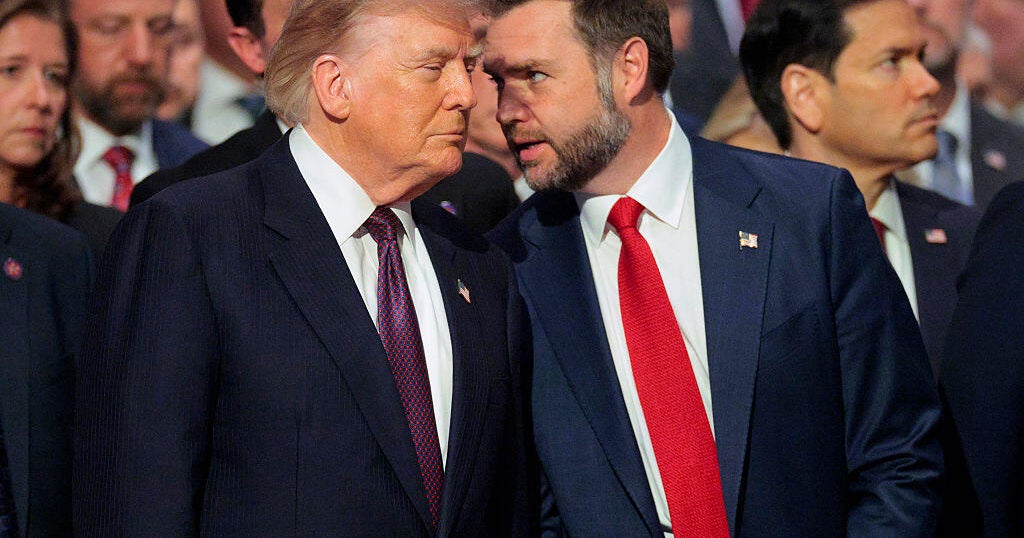
The Republican National Committee (RNC) is holding its first-ever midterm election year convention this week in Dallas. President Donald Trump is scheduled to deliver the keynote address on Wednesday, the opening night of the two-day event at the American Airlines Center. The gathering departs from traditional political conventions by forgoing delegates, formal floor votes on nominees, or debates on party platform issues.
RNC Chairman Joe Gruters described the event as a "Trumpapolooza" intended to unite the party and build momentum ahead of the November elections. Political science researchers noted that the event functions more like a large-scale campaign rally than a traditional convention. The meeting occurs as polling shows competitive contests in Texas, a state where the GOP has maintained a long-term stronghold.
The speaker lineup includes Vice President JD Vance on the second night, along with Donald Trump Jr., Attorney General Todd Blanche, and Health Secretary Robert F. Kennedy Jr. Texas Governor Greg Abbott and Attorney General Ken Paxton are also scheduled to appear. While Senate Majority Leader John Thune is not on the speaker list, he is expected to be in Dallas for fundraisers. RNC officials stated the roster includes a mix of Cabinet secretaries, congressional leaders, and candidates in key House, Senate, and gubernatorial races.
Voters and attendees will notice the effects of current economic conditions on the event itself. Researchers pointed out that inflation remains high, with casual restaurant meals in Dallas costing approximately $25, which may influence both convention attendance and the reception of party messaging regarding the economy. For the average household, these "gut level" issues, including the costs of electricity and gasoline, remain a primary concern that political science professor Cal Jillson said is difficult to overcome through convention rhetoric alone. Additionally, the convention takes place against the backdrop of the war in Iran, an issue for which experts say the GOP may struggle to satisfy voter concerns without a clear conclusion in sight.
The convention sets a precedent as the first mid-cycle national gathering of its kind, though its long-term influence on polling remains uncertain. Historically, conventions produce a small bump in polls that typically lasts two to three weeks. Because Democrats may use convention soundbites to motivate their own base, researchers expect the net impact on the electorate to be difficult to measure until election night. The event concludes on September 10, 2026, marking the start of the final two-month sprint to the November midterms.