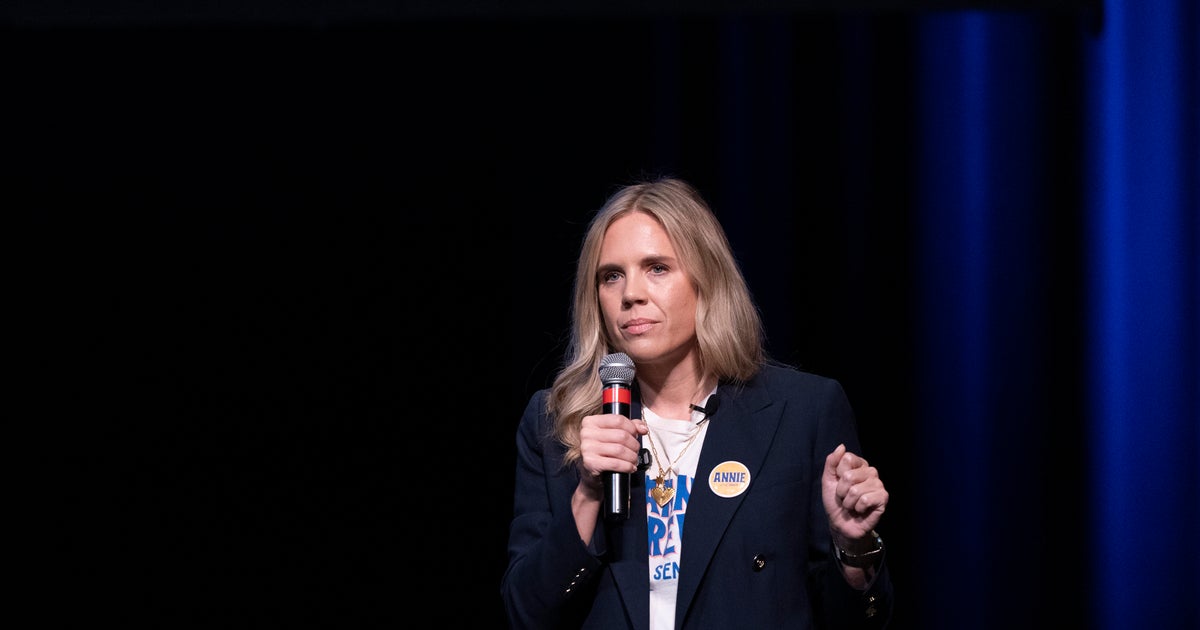
The Senate Leadership Fund, a Republican super PAC, is investing $5 million into the South Carolina Senate race to support incumbent Sen. Darline Graham. Sources familiar with the decision, first reported by Axios on Tuesday, October 6, characterized the funding as an "insurance policy" for the GOP nominee. The move comes as recent polling suggests a close contest between Graham and her Democratic challenger, pediatrician Annie Andrews, in a state where Republicans have held a consistent advantage for decades.
Darline Graham was appointed to the Senate seat in July following the death of her brother, Sen. Lindsey Graham. While Lindsey Graham won his 2020 reelection by 10 points and Donald Trump won the state by 18 points in 2024, two recent polls indicate the current race is a statistical tie. A survey from Trafalgar showed Graham at 43% and Andrews at 42%, while an InsiderAdvantage poll recorded Graham at 46% and Andrews at 45%.
The Republican investment follows a decision by the party to stop financing ads in North Carolina, where Republican Michael Whatley is trailing Democrat Roy Cooper in polls. Conversely, Graham's opponent has outpaced her in fundraising, supported by $3.6 million bundled by the 314 Action Fund. On Monday, October 5, Mr. Trump used social media to attack Andrews, including the use of a slur for transgender people, while Andrews' camp has criticized Graham for avoiding press and public appearances.
This funding affects voters and political organizations in South Carolina, a state where Democrats have not won a statewide race since 2006. The scale of the $5 million investment, combined with the $131 million recently spent by the same PAC in Texas over 17 days, indicates a defensive spending strategy by national Republicans to protect seats in traditionally conservative strongholds. For South Carolina households, this influx of capital will translate into a high volume of television advertisements intended to define the candidates' partisan identities before the November 3 election.
The day-to-day impact for South Carolina residents will be a significant increase in political messaging, particularly on television, as the $5 million is designated primarily for ads that emphasize Andrews' Democratic affiliation. This occurs as Andrews attempts to frame her candidacy as a "mom and a doctor" focused on household bills, while Graham, who won her special primary with 52% of the vote, relies on Mr. Trump's endorsement and national party resources to maintain her seat. The outcome will determine whether the GOP maintains its long-standing control of South Carolina's Senate representation or if shifting political trends allow for a Democratic flip.
The knock-on effects include a reallocation of national party resources across the Southern United States. The cancellation of $1.1 million in Democratic ad reservations in North Carolina and the Republican withdrawal from that same state suggest that both parties are shifting their focus to where they perceive the most competitive or vulnerable seats to be. What happens next is the general election on November 3, 2026, which will serve as a test for whether cultural issues or economic concerns will drive voter turnout in the final four weeks of the campaign.