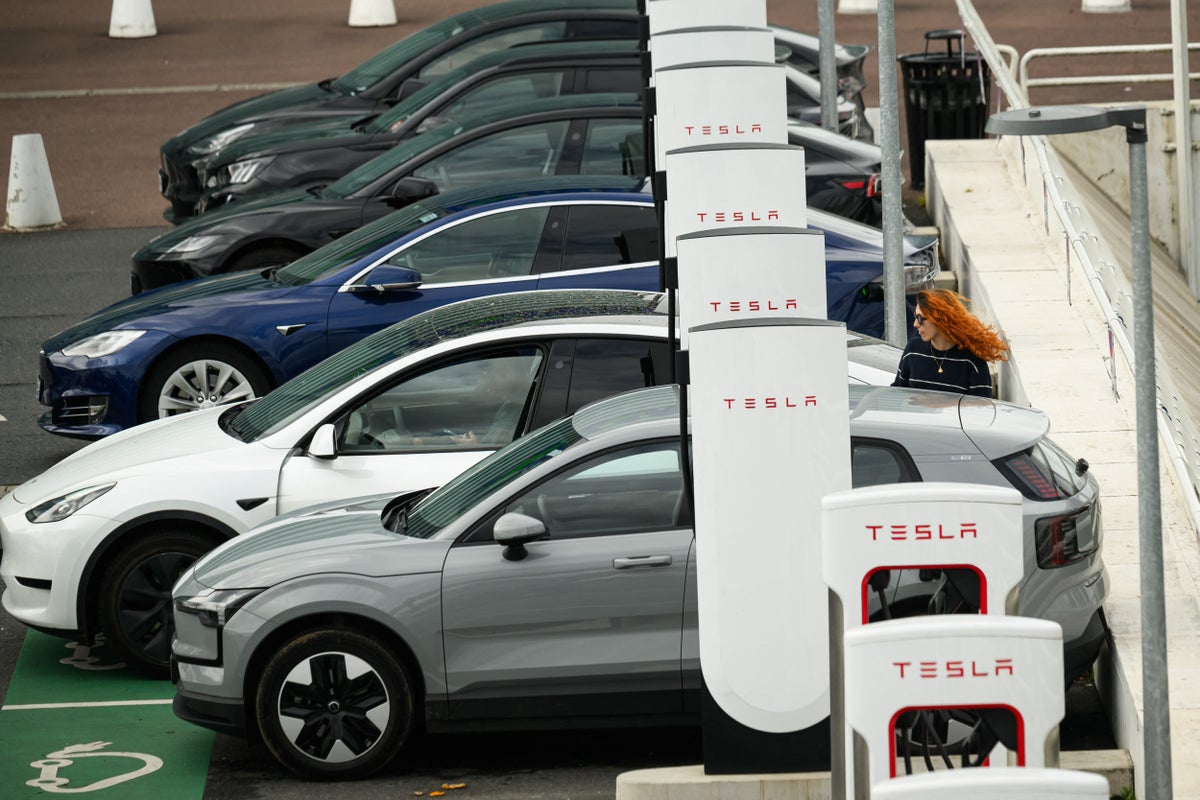
A researcher specializing in car buyer preferences reports that a decline in U.S. electric vehicle (EV) sales during 2026 was driven by limited inventory rather than a lack of consumer interest. While sales of fully electric vehicles fell 16% between March and May 2026 compared to the previous year, hybrid vehicle sales rose 18% during the same period as gasoline prices increased following international conflicts.
The shift in the market followed the expiration of federal tax credits on September 30, 2025, under a law signed by President Donald Trump. Previously, buyers could receive up to $7,500 for new EVs and $4,000 for used ones. In response to the policy change, major automakers reduced production; General Motors laid off more than 3,400 workers at EV-related plants, and Ford wrote off $19.5 billion from its EV division while ending production of the electric F-150 Lightning.
Market data indicates that as gasoline prices rose from $2.94 to $4.35 per gallon in early 2026, demand for EVs increased while supply tightened. New EV inventories dropped from a 130-day supply in the first quarter of 2026 to 78 days by August. Concurrently, the median discount for new EVs shrank from 9.8% in February to 4.7% in June, a trend the researcher attributes to high demand rather than a need to clear excess stock.
Used electric vehicle prices also rose, climbing 13%—approximately $3,500—through late June 2026. Data from the company Recurrent showed the price of a used 2023 Chevrolet Bolt increased nearly 20% between January and June. By May, the inventory of used EVs had fallen to a 31-day supply, which was 23% lower than the year before.
The situation has knock-on effects for domestic manufacturing and long-term fuel costs. While a federal fuel economy rule released on September 28, 2026, is estimated to save buyers $1,289 on the initial purchase price of gas-powered vehicles due to lower engineering costs, the same analysis suggests drivers will spend roughly $1,600 more on fuel over the life of the car. Additionally, trade policies including tariffs over 100% and a Commerce Department rule barring Chinese-linked technology starting in model year 2027 have limited the availability of lower-cost EVs, which are more prevalent in the Chinese market.
What happens next depends on pending legislation and regulatory deadlines. A bill currently in Congress seeks to widen the ban on Chinese-linked automotive technology by blocking all Chinese investment in U.S. auto factories. Furthermore, the newly established fuel economy standards will end a credit-trading system for EV makers in 2028, potentially reducing the financial incentives for manufacturers to produce electric models in the coming years. Supply constraints are expected to persist as long as production remains scaled back and trade barriers remain in place.