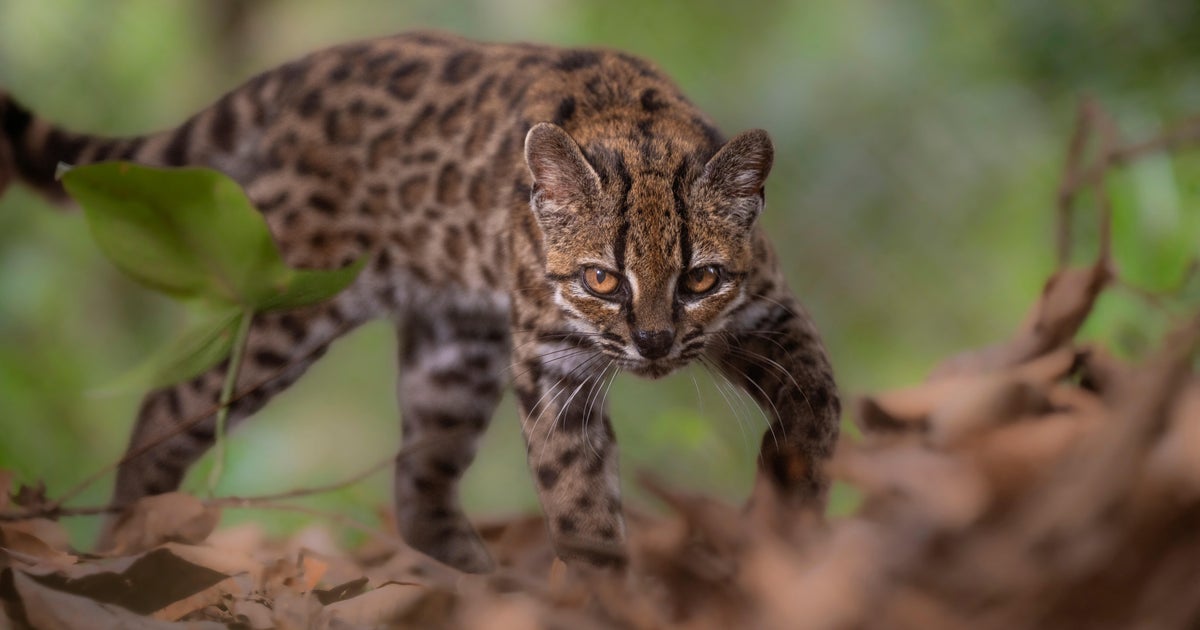
A team of researchers has identified a new species of wild cat, marking the first such discovery in more than a century. Biologist and National Geographic explorer Paola Nogales-Ascarrunz announced on Thursday that the feline, known as the Tilcayo tiger cat, was found in the Yungas region of the Bolivian Andes.
The research project began in 2021 and concluded with the publication of findings in the journal Current Biology on Thursday. Prior to this identification, the last feline species described was the Uruguayan pampas cat in 1923. Locals in the mountainous region near La Paz had previously observed the animals but mistook them for domestic house cats.
The species has been given the scientific name Leopardus tilcayo, derived from the local nickname "tilcayo." The small feline measures approximately 18 inches in length, features rounded ears, and possesses a spotted coat similar to a leopard. So far, the species has only been detected in Bolivia.
To confirm the new classification, scientists conducted whole genome sequencing on the only two specimens found to date. One male tilcayo currently resides in an animal shelter in Yungas after being turned over by a local family, while a female was released into the wild following a rescue from an attack by local residents.
The identification adds a new feline to the scientific record for the first time in 101 years. For the residents of the Yungas region and the nation of Bolivia, this identifies a biological asset that is not known to exist anywhere else.
The scale of the known population is currently small, with only two confirmed individuals reported by the research team. While currently classified as vulnerable to extinction, Nogales-Ascarrunz stated that the low population density may soon require a reclassification to a higher risk level.
For local communities, the discovery clarifies the distinction between domestic pets and wild fauna. The research establishes a genetic baseline through whole genome sequencing that will be used to track any future specimens found. Further field studies will be required to determine the full geographic range and total population size of Leopardus tilcayo.