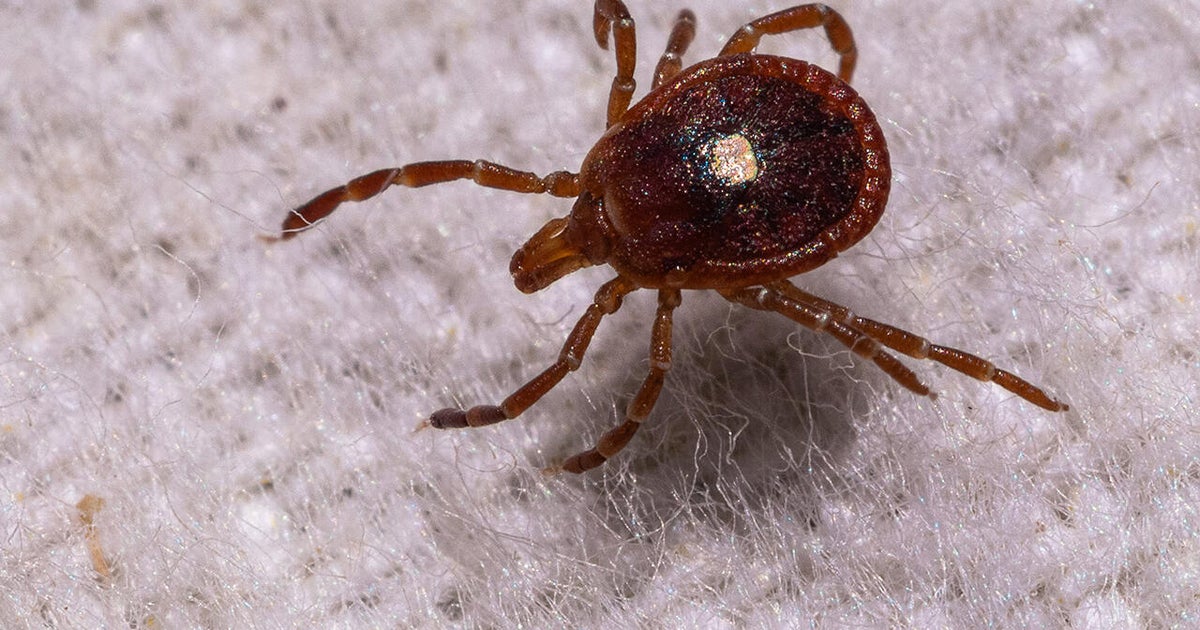
Emergency room visits for tick bites have reached their highest level in nearly a decade, coinciding with a rise in reports of Alpha-gal syndrome (AGS). The condition, which is often triggered by the bite of a lone star tick, causes an allergy to red meat and, in some cases, dairy products. Health officials and researchers noted that the ticks are expanding into new regions of the United States, particularly in the Northeast.
Alpha-gal syndrome was first identified in the mid-to-late 2000s, though researchers say it has been present in the South and Midwest for much longer. Sam Telford, a professor of infectious disease and global health at Tufts University, stated that increased awareness is driving the current national attention. The syndrome involves a reaction to galactose-α-1,3-galactose, a sugar molecule that the lone star tick carries and transmits to humans.
Patients with the syndrome report symptoms occurring several hours after consuming meat, including rashes, gastric distress, swelling, and anaphylactic shock. While the allergy covers beef, pork, lamb, and venison, most affected individuals can still eat poultry and seafood. Some patients also react to animal-derived ingredients in processed foods like marshmallows or the gelatin used in medicine capsules.
Experts attribute the rise in tick populations to an increase in white-tailed deer, which serve as primary breeding grounds. Aubrey Stimola Ryan, who treats patients at Martha's Vineyard Hospital, reported that a single deer can feed 1,500 ticks per season. Because one female tick can lay 2,000 eggs, a single deer can potentially facilitate the production of 3 million ticks. This has led some communities to reconsider deer population management as a method of disease prevention.
The scale of the threat is tied to the rapid reproduction of the lone star tick. With a single deer supporting up to 3 million new ticks in one season, the risk of exposure for hikers, gardeners, and children playing outdoors has increased. Residents in high-risk areas have reported changing their daily habits, such as avoiding grass and staying on "asphalt and concrete" to prevent bites. A single bite from a lone star tick is sufficient to trigger the syndrome, though not every person bitten will develop the allergy.
For those already diagnosed, the condition may not be permanent. According to Professor Telford, patients may be able to slowly reintroduce meat into their diets over time, provided they avoid subsequent tick bites. To prevent further cases, health experts recommend that individuals who spend time outdoors spray their skin and clothes with repellents, check their bodies for ticks twice daily, and dry their clothes on high heat for 10 minutes after coming inside to kill any clinging ticks. No specific legislative or regulatory deadlines for deer population control were reported.