The Plain Record

Neutral daily news — clear headlines, complete facts.

World

Rising Heat Intensifies Water Access Disputes in Bundelkhand Region

Residents in northern India report that water scarcity and extreme heat are intensifying social friction and caste-based barriers at shared village handpumps.

Published August 24, 2026 at 7:36 PM EDT

The short answer

Residents in northern India report that water scarcity and extreme heat are intensifying social friction and caste-based barriers at shared village handpumps. Residents and activists in India’s Bundelkhand region report that rising temperatures and water scarcity are heightening long-standing caste-based tensions at public water sources.

Rising Heat Intensifies Water Access Disputes in Bundelkhand Region

The Facts

Who
Dalit residents, local activists, and District Magistrate Rajesh Kumar Pandey.
What
Water access and caste discrimination reported in Bundelkhand.
When
May and June 2025, and two months prior to August 2026.
Where
Bundelkhand region, Uttar Pradesh, India.
Why
Rising temperatures and failing water infrastructure are increasing competition for water, which activists say is exacerbating caste-based exclusion.

Timeline of what happened

Key dates and decisions, in the order they occurred.

  1. January 1, 2002

    Start of period marked by several major droughts in Bundelkhand

  2. January 1, 2025

    113 caste-based atrocity cases registered in the area, according to DDJC

Residents and activists in India’s Bundelkhand region report that rising temperatures and water scarcity are heightening long-standing caste-based tensions at public water sources. In Jalaun district, where summer temperatures have reached 48 degrees Celsius, members of the Dalit community state they are frequently forced to wait for hours to use public handpumps until members of dominant castes have finished.

Bundelkhand, a semi-arid plateau spanning parts of Uttar Pradesh and Madhya Pradesh, has faced multiple major droughts since 2002. While the Indian government’s Jal Jeevan Mission aims to provide piped water to every rural household, residents in some villages report that installed taps have remained dry for years. This reliance on a limited number of functional handpumps has increased competition for water during peak summer months.

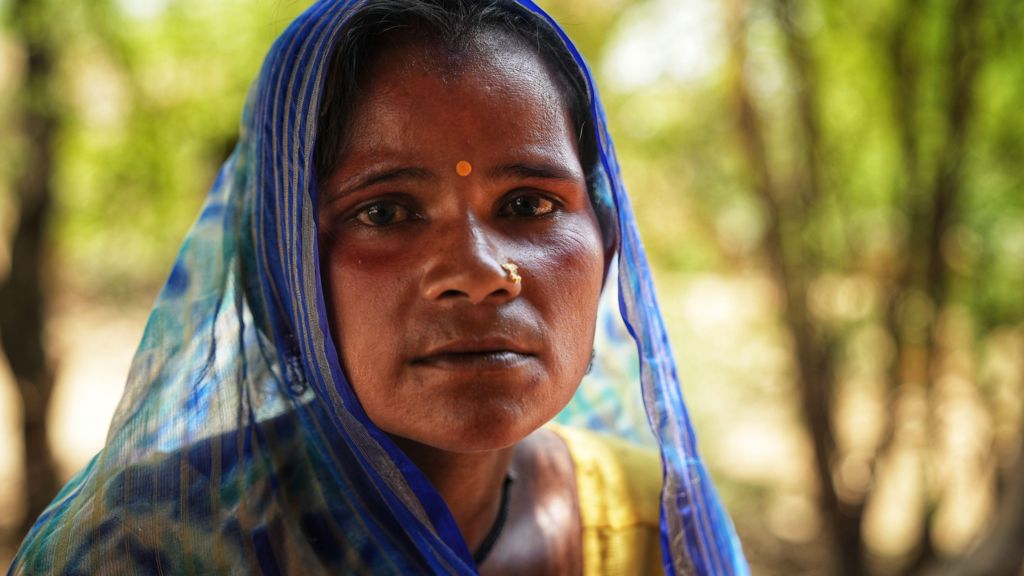
Dalit residents, such as Mamta from the Valmiki community, alleged that dominant-caste individuals sometimes pour water over pumps to "cleanse" them after Dalit use. In Shahjahanpur, a woman named Parmi Devi alleged she was assaulted three years ago following a dispute at a handpump; she filed a police complaint, though no arrests have been reported. Conversely, dominant-caste residents like Ram Gopal Singh denied that disputes are caste-based, attributing arguments solely to the pressure of declining supplies and abandoned wells.

The scale of the issue is reflected in legal records, with the Dalit Dignity and Justice Centre (DDJC) documenting 113 cases registered under India’s laws against caste-based atrocities in the area during 2025. Activists note that a majority of these complaints occurred during the peak heat months of May and June. The local administration, led by District Magistrate Rajesh Kumar Pandey, maintains there is no evidence of caste-based discrimination or general water shortages, citing ongoing groundwater recharge and pond restoration projects.

The tension highlights a precedent where infrastructure development, such as the Jal Jeevan Mission, may not fully resolve resource scarcity if social barriers persist. Researchers suggest that while climate change and erratic rainfall reduce the total water available, the primary day-to-day burden falls on marginalized groups who must navigate both environmental stress and social restrictions. What happens next depends on the progress of government piping projects and the resolution of pending legal cases regarding alleged assaults at water points.

Summaries are written by The Plain Record to state the facts of a story plainly and without political slant. See our editorial standards, or report a correction.

← Back to the front page

Questions readers ask

What happened: Rising Heat Intensifies Water Access Disputes in Bundelkhand Region?

Residents and activists in India’s Bundelkhand region report that rising temperatures and water scarcity are heightening long-standing caste-based tensions at public water sources. In Jalaun district, where summer temperatures have reached 48 degrees Celsius, members of the Dalit community state they are frequently forced to wait for hours to use public handpumps until members of dominant castes have finished.

Who is involved?

Dalit residents, local activists, and District Magistrate Rajesh Kumar Pandey.

When did this happen?

May and June 2025, and two months prior to August 2026.

Where did this happen?

Bundelkhand region, Uttar Pradesh, India.

Why does this matter?

Rising temperatures and failing water infrastructure are increasing competition for water, which activists say is exacerbating caste-based exclusion.